Food safety and plant sanitation are critical components of maintaining a successful food processing operation. With increasing regulations and the demand for high-quality products, food manufacturers must implement effective sanitation practices to ensure compliance and prevent contamination.
Understanding the Importance of Food Plant Sanitation
Proper sanitation in food processing facilities helps eliminate harmful bacteria, viruses, and other contaminants. This not only ensures the safety of the food products but also safeguards the brand reputation of manufacturers. Experts recommend a comprehensive sanitation program that encompasses regular cleaning schedules, employee training, and adherence to regulatory standards.
Key Components of Effective Food Facility Sanitation
Regular Cleaning and Disinfection
- Use industry-approved cleaning agents suitable for food contact surfaces
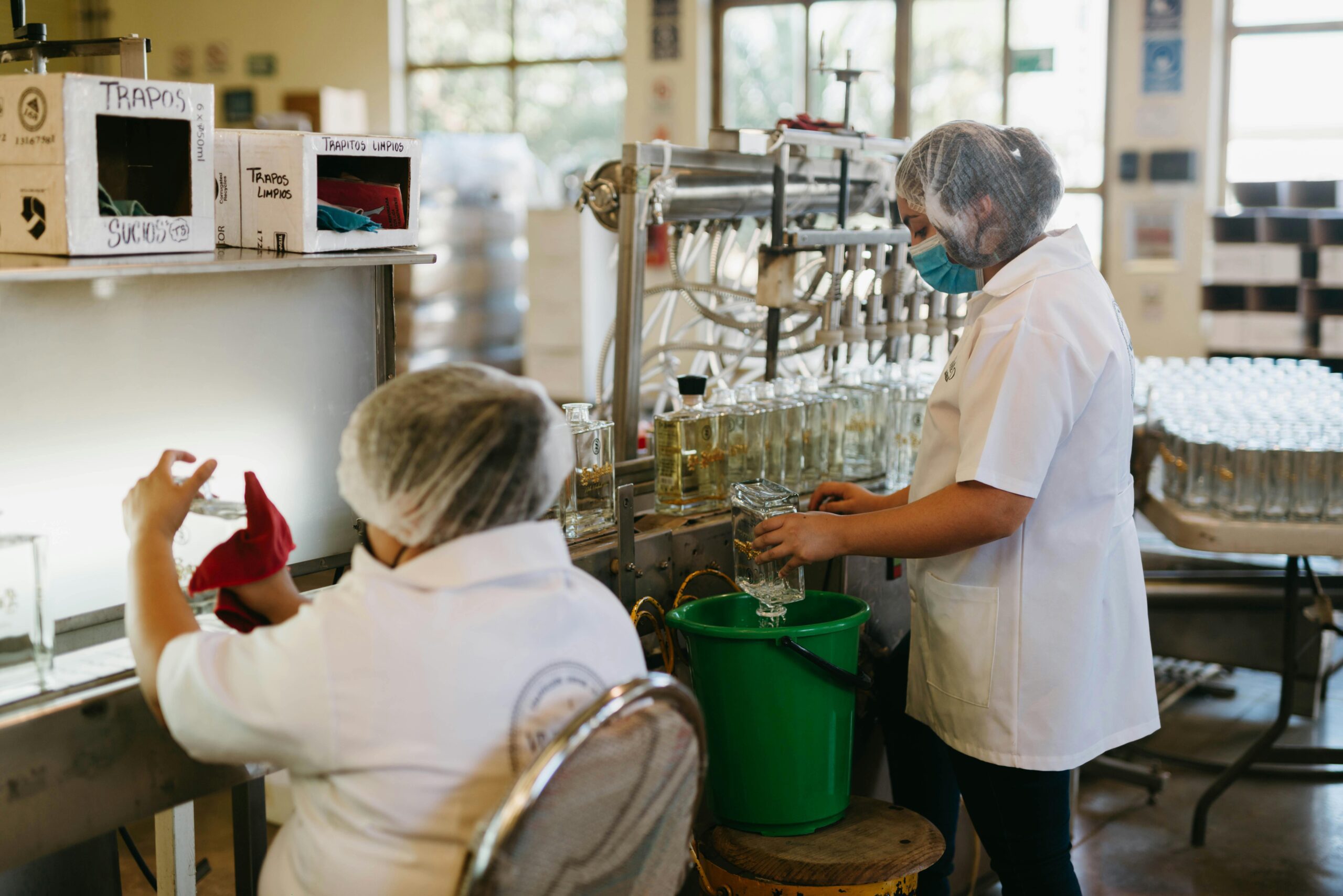
- Implement validated cleaning procedures to remove dirt, grease, and organic matter
- Apply disinfectants following proper contact times to kill microorganisms
Employee Training and Hygiene
- Train staff on proper cleaning protocols and the importance of hygiene
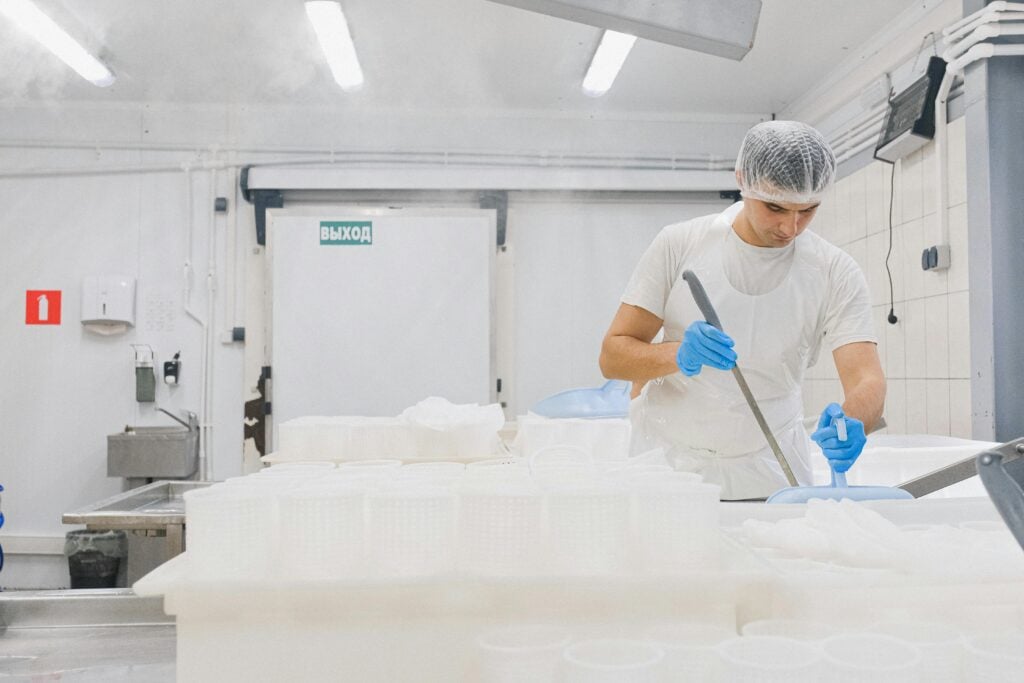
- Enforce strict handwashing and protective clothing policies
- Conduct regular refresher courses to maintain high standards
Monitoring and Verification
- Perform routine swab tests and environmental monitoring to verify sanitation effectiveness
- Maintain detailed records for audits and traceability
- Adjust sanitation protocols based on monitoring results
Choosing the Right Sanitation Partner
Partnering with a reputable contract sanitation company can significantly enhance sanitation efforts. Companies like Fayette Contract Sanitation Services provide tailored cleaning solutions, advanced equipment, and experienced personnel to meet strict industry standards. Other reputable providers include Janiking and Jan-Pro.
Regulatory Compliance and Food Safety Standards
Compliance with HACCP (Hazard Analysis and Critical Control Points) and other regulatory frameworks is essential. Implementing a robust HACCP plan supports proactive identification of sanitation challenges and interim corrective actions, thereby reducing the risk of foodborne illnesses.
Conclusion
Effective sanitation is the backbone of food safety in processing plants. By adopting best practices, utilizing verified cleaning methods, and partnering with trusted sanitation providers, food manufacturers can ensure a hygienic environment, meet compliance standards, and deliver safe, high-quality products to consumers.
For tailored sanitation solutions, consider Fayette Contract Sanitation Services and other industry leaders dedicated to maintaining excellence in food plant sanitation.