Introduction to Food Plant Sanitation and Food Safety
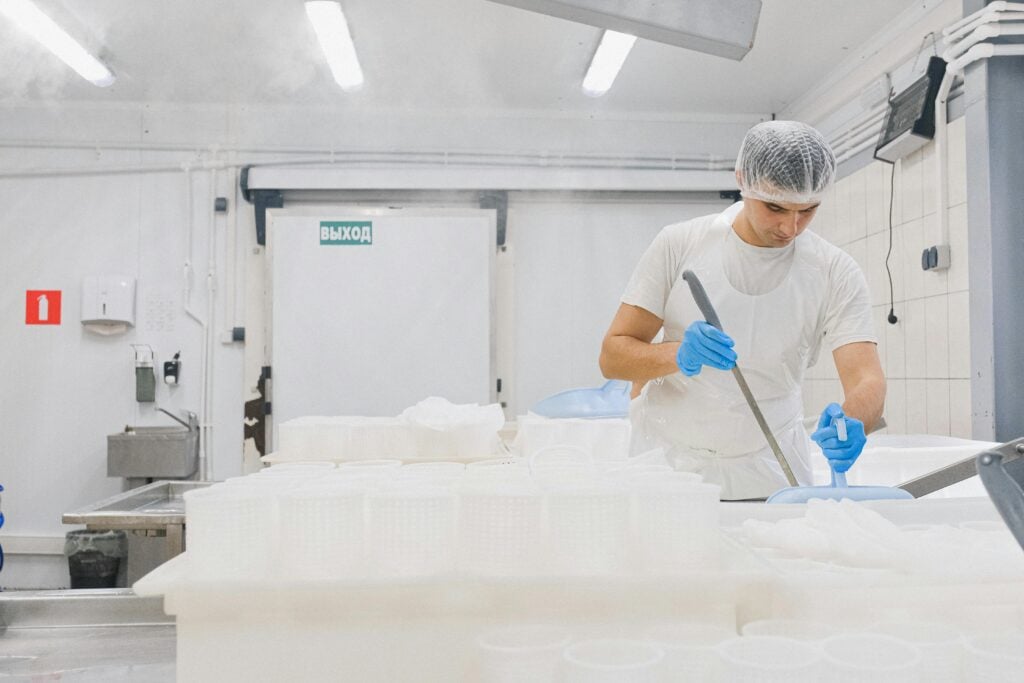
Maintaining a rigorous sanitation protocol is essential for the safety and integrity of food processing operations. Food plant sanitation not only ensures compliance with regulatory standards but also helps prevent contamination and spoilage, safeguarding consumer health.
The Importance of Sanitation in the Food Industry
Effective sanitation practices are critical in food processing plant cleaning to:
- Prevent pathogen growth and cross-contamination
- Ensure adherence to Food Safety Modernization Act (FSMA) and other regulatory requirements
- Maintain product quality and shelf life
Best Practices for Food Plant Sanitation
Implementing Standard Operating Procedures (SOPs)
Clear, detailed SOPs guide sanitation teams through cleaning and sanitizing tasks, helping to:
- Standardize cleaning protocols
- Ensure consistent results
- Facilitate training and compliance audits
Choosing Effective Cleaning Agents and Sanitizers
Utilize industry-approved cleaning chemicals effective against bacteria and pathogens. Regular validation of sanitation processes, including testing residual sanitizer levels, supports compliance and safety.
Regulatory Compliance and the Role of HACCP
Developing and maintaining a HACCP (Hazard Analysis and Critical Control Points) plan is vital for identifying and controlling hazards. Proper documentation and routine audits ensure that sanitation practices meet food safety standards.
Advanced Sanitation Technologies
Modern solutions such as foam cleaning, UV sanitation, and electrostatic sprayers increase sanitation efficacy and efficiency in food processing environments. Selecting the right technology depends on the facility’s specific needs and regulatory guidance.
Partnering with Sanitation Service Providers
Engaging reputable sanitation service companies enhances sanitation quality and compliance. Notable industry leaders include:
Partnering with experienced providers ensures your food processing facility remains compliant, safe, and productive.
Conclusion
Robust sanitation practices are integral to food safety and regulatory compliance. Investing in advanced technologies, regular staff training, and partnerships with trusted sanitation providers helps food processing facilities achieve operational excellence and consumer trust.