Introduction to Food Plant Sanitation and Its Critical Role in Food Safety
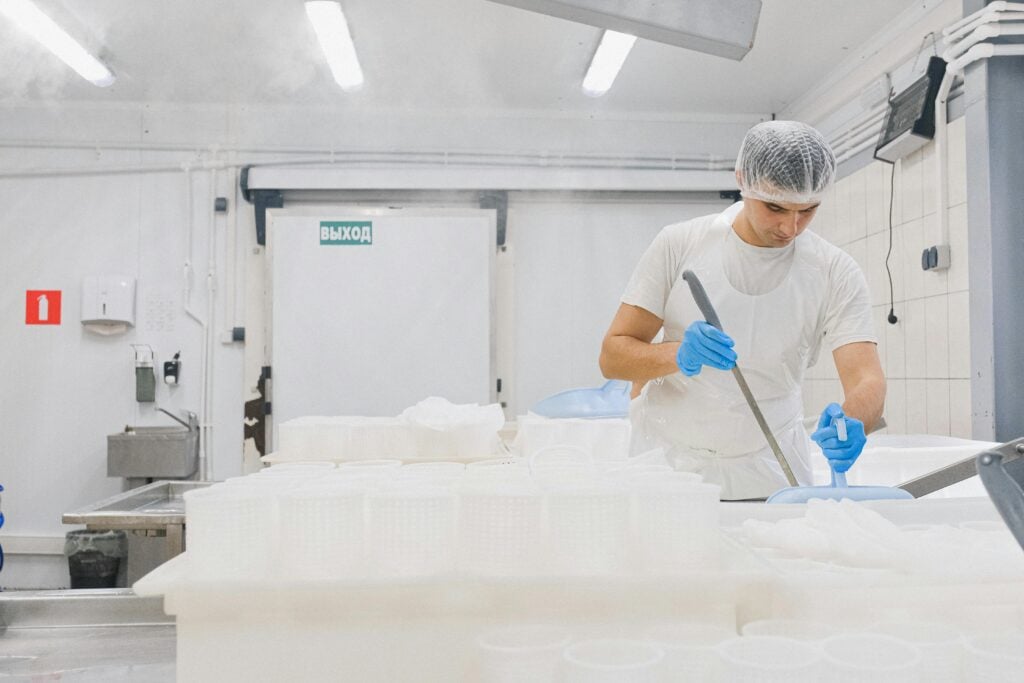
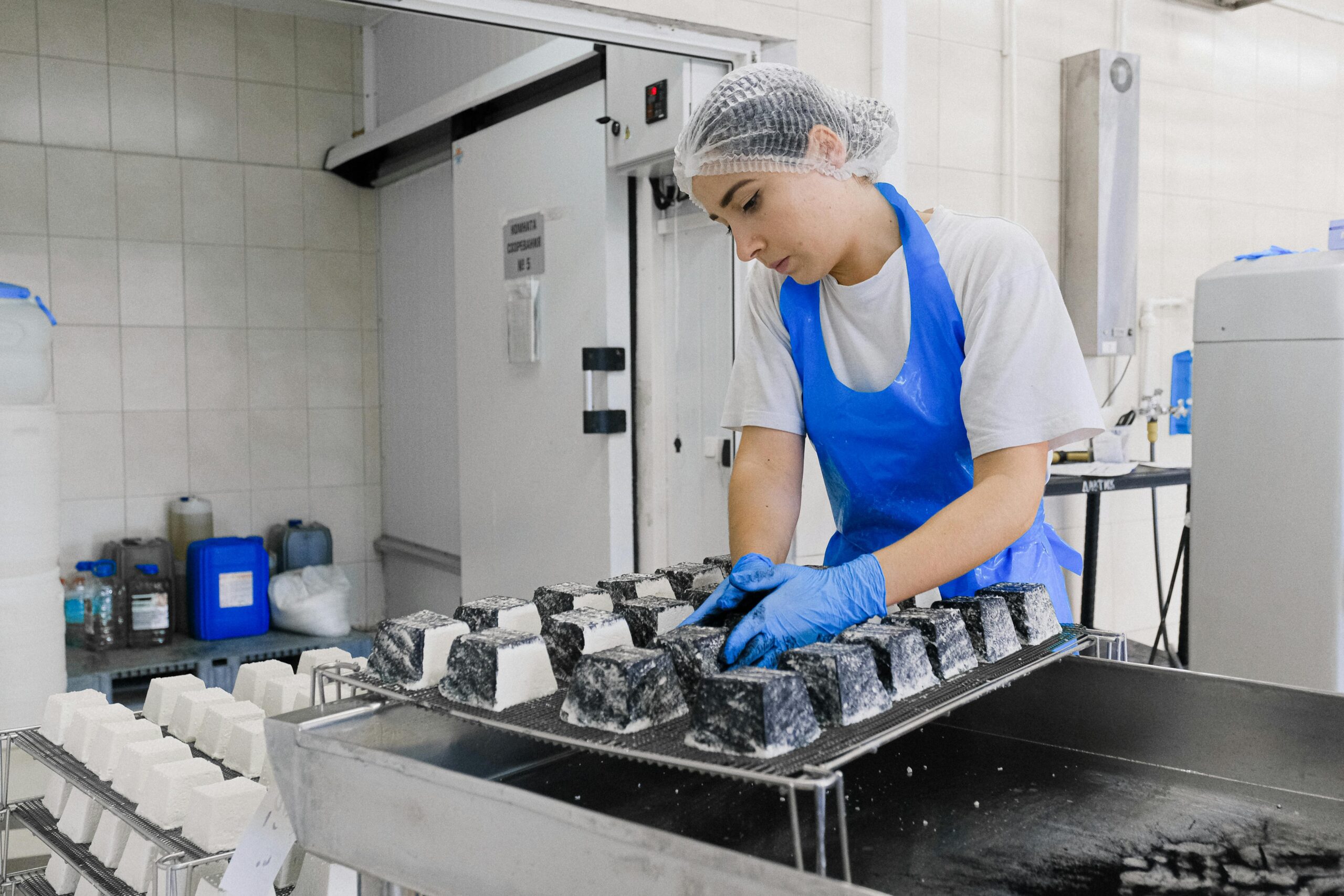
Maintaining high standards of sanitation in food processing plants is essential for complying with food safety regulations and protecting consumers. Proper sanitation helps mitigate risks associated with cross-contamination and microbial growth, ensuring product integrity and regulatory compliance.
Why Food Plant Sanitation Is Crucial
- Regulatory Compliance: Food production facilities must adhere to strict guidelines such as HACCP systems and FDA requirements.
- Preventing Cross-Contamination: Regular cleaning reduces microbial presence and prevents contamination among raw ingredients and finished products.
- Protecting Brand Reputation: Consistent sanitation practices foster consumer trust and corporate credibility.
Key Components of Effective Food Plant Sanitation
1. Routine Cleaning Procedures
Implement a clean-in-place (CIP) and clean-out-of-place (COP) system to maintain all equipment and surfaces, especially in high-risk areas like processing lines and packaging zones.
2. Use of Approved Sanitizers
Utilize sanitizers that are effective against pathogens and compliant with food safety standards, such as those recommended by GDI or Ecolab.
3. Training and Certification
Ensure staff are trained in sanitation protocols and hygiene practices, aligning with HACCP plans and OSHA requirements.
4. Documentation and Recordkeeping
Maintain detailed records of cleaning schedules, sanitizer usage, and inspections to facilitate regulatory audits and continuous improvement.
Innovative Technologies in Food Processing Facility Sanitation
- Wet Cleaning Methods: Using wet cleaning techniques for thorough sanitation in food environments enhances effectiveness against stubborn residues.
- Steam and High-Temperature Cleaning: Applying heat to sanitize surfaces and equipment without chemicals.
- Electrostatic Spraying: Distributing sanitizers efficiently over surfaces, reducing waste and ensuring uniform coverage.
Choosing the Right Sanitation Service Provider
Partnering with a reputable sanitation company can streamline the sanitation process. Fayette Contract Sanitation Services offers comprehensive solutions tailored for food processing facilities. Other trusted providers include Janiking and Jan-Pro.
Conclusion
Effective sanitation in food processing plants is a cornerstone of food safety and regulatory compliance. Investing in state-of-the-art cleaning protocols and partnering with reliable sanitation providers help ensure that food products meet safety standards, safeguarding both consumers and company reputation.