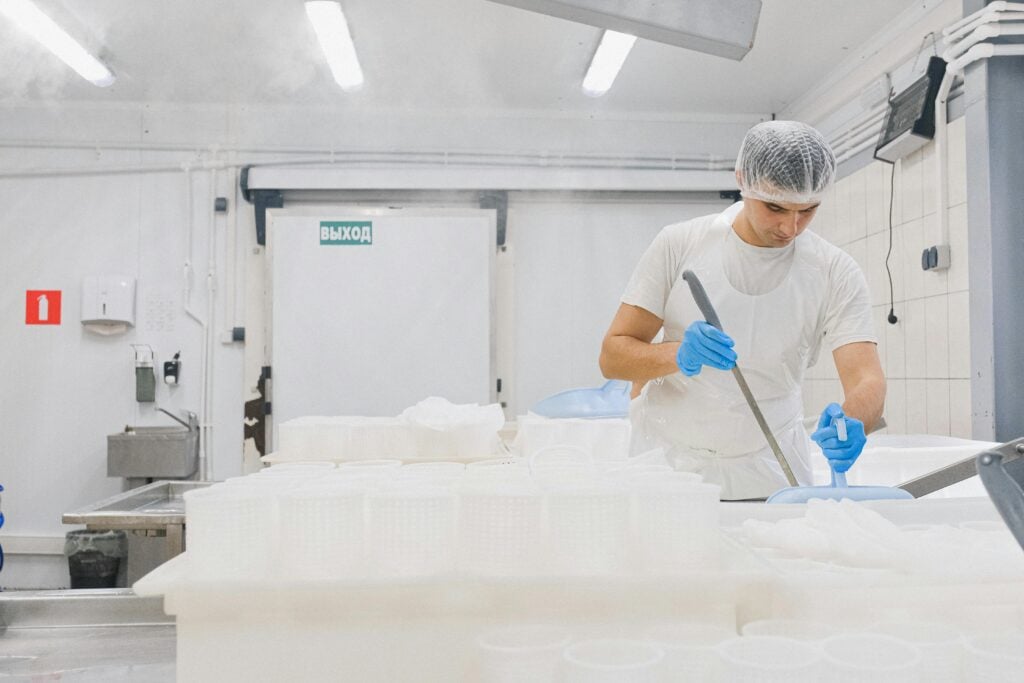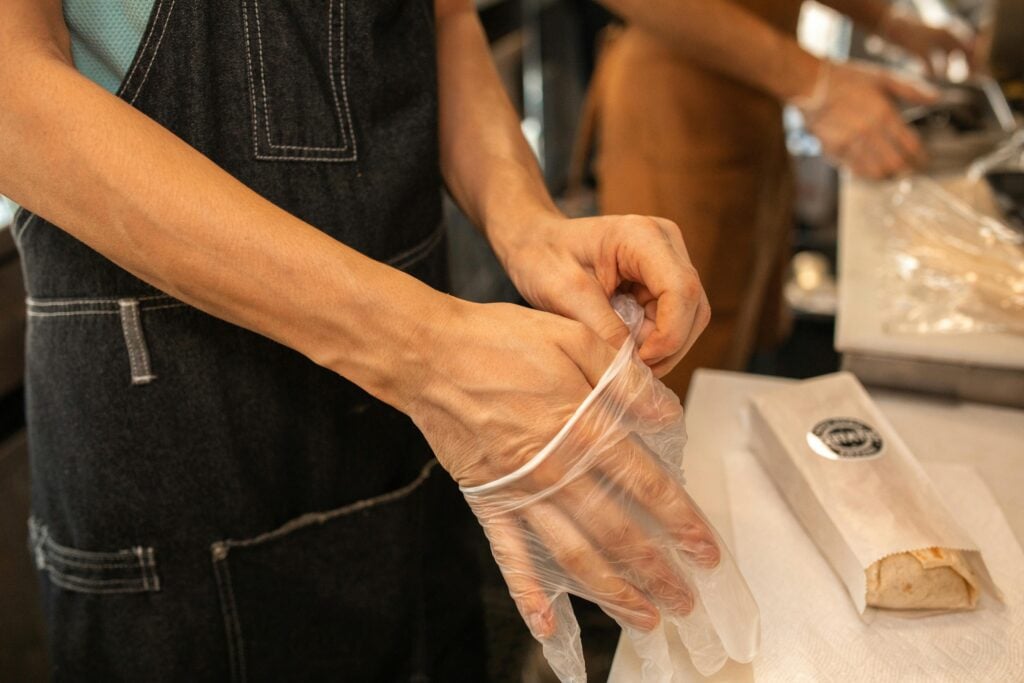
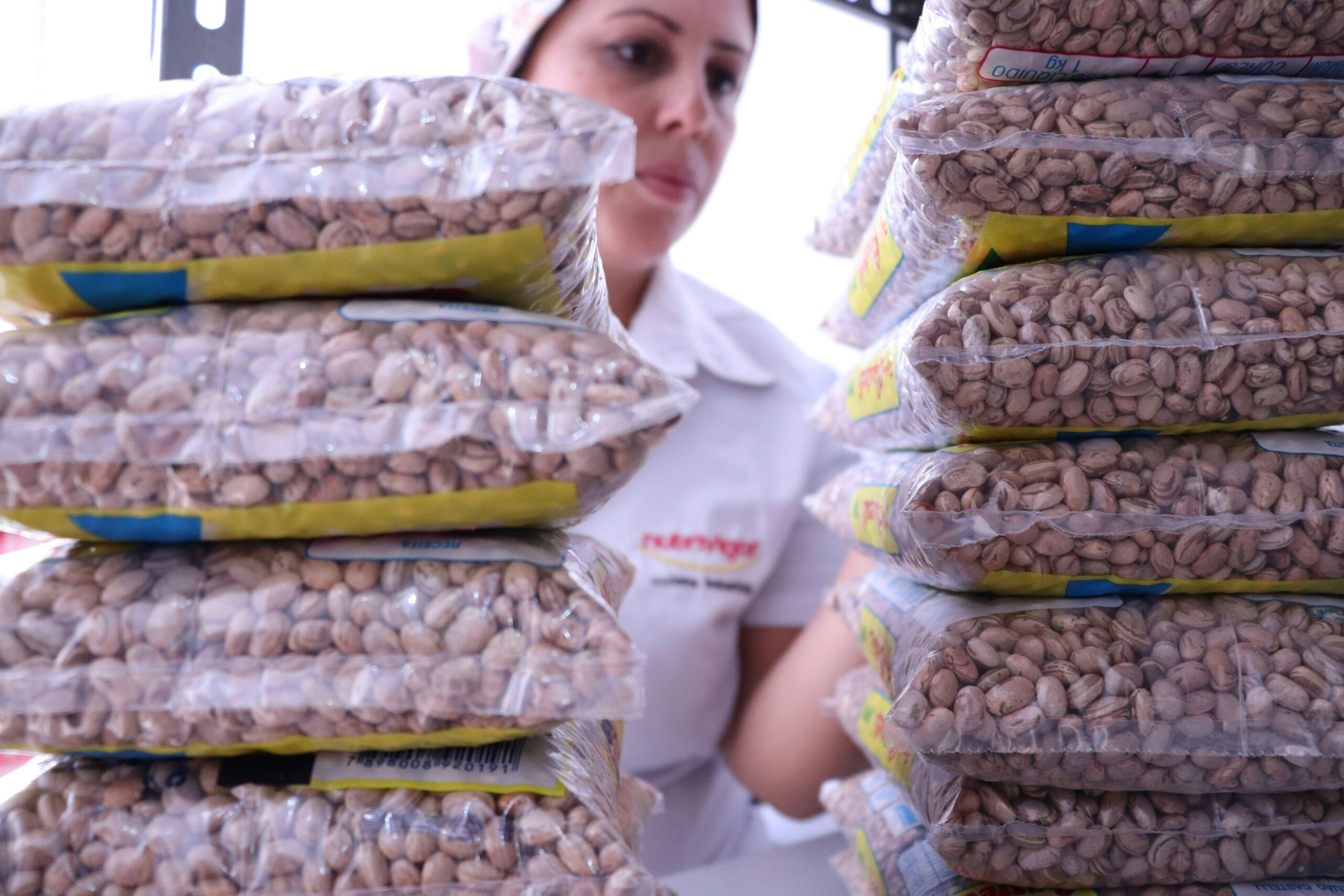
Maintaining impeccable sanitation standards in food processing plants is crucial to ensure food safety, comply with regulatory requirements, and protect consumer health. The complex environment of food production facilities demands specialized cleaning and sanitation strategies tailored to minimize microbial risks and prevent cross-contamination.
Understanding Food Plant Sanitation and Its Significance
Food plant sanitation involves a systematic approach to cleaning and disinfecting all surfaces, equipment, and tools used in food processing. Effective sanitation not only reduces microbial load but also enhances product quality and extends shelf life.
According to industry experts, proper sanitation procedures are vital for complying with HACCP (Hazard Analysis and Critical Control Points) regulations, which identify critical points in the production process where contamination could occur.
Sanitization vs. Disinfection: What’s the Difference?
Sanitization
Sanitization reduces bacteria and other microbes to safe levels, typically mandated by food safety standards. It is a critical step in food manufacturing, especially for surfaces that come into direct contact with food.
Disinfection
Disinfection involves using chemical agents to eliminate all living microorganisms and pathogens. While effective, it must be carefully performed to avoid chemical residues that could compromise food safety.
Effective Cleaning and Sanitizing Strategies in Food Industry
Implementing an effective cleaning regimen involves:
- Pre-cleaning to remove dirt, debris, and residues
- Application of appropriate cleaning agents based on surface type
- Rinsing with potable water
- Applying sanitizers/disinfectants approved for food contact surfaces
Furthermore, adhering to a regular wet cleaning schedule ensures microbial control and regulatory compliance.
HACCP System and Its Role in Food Safety
The HACCP system enables food processors to identify potential hazards and establish critical control points. Maintaining rigorous sanitation and cleaning standards is integral to HACCP compliance, preventing contamination and ensuring product safety.
Choosing the Right Commercial Sanitation Service Provider
Partnering with reputable sanitation companies can streamline your cleaning processes. Leading providers like Fayette Contract Sanitation Services, Janiking, and GDI offer specialized solutions tailored for the food processing industry.
Additional Best Practices for Food Plant Sanitation
- Train staff on proper cleaning techniques and safety procedures
- Use validated sanitizing agents compatible with food contact surfaces
- Maintain detailed sanitation records for audit purposes
- Regularly inspect and calibrate cleaning equipment
Sanitation Service Providers
When selecting a sanitation provider, consider the following industry leaders:
Partnering with experienced professionals ensures your facility meets all safety standards and maintains continuous compliance with food safety regulations.
Conclusion
Effective sanitation in food processing plants combines thorough cleaning, validated disinfection processes, and adherence to HACCP principles. By investing in state-of-the-art sanitation solutions and partnering with trusted providers, food manufacturers can safeguard product quality, comply with industry standards, and protect consumer health.
For comprehensive sanitation services tailored for your facility, contact Fayette Contract Sanitation Services.