Introduction to Food Plant Sanitation and Food Safety Compliance
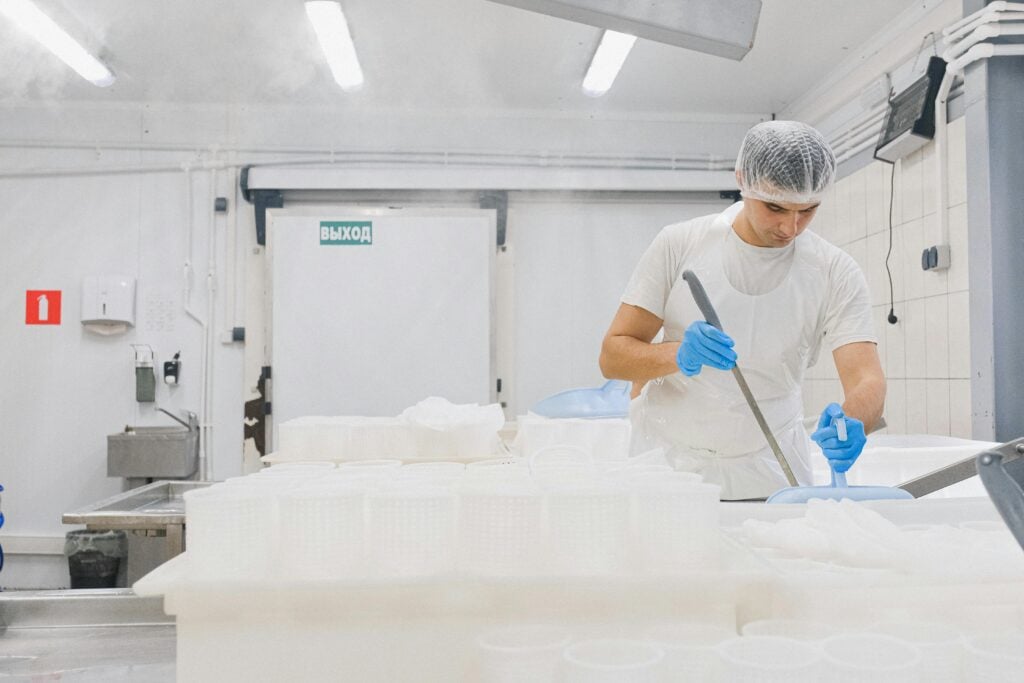
Maintaining high standards of sanitation in food processing facilities is crucial for ensuring food safety, regulatory compliance, and overall operational efficiency. Understanding the nuances of food plant sanitation services and integrating best practices can significantly reduce the risk of contamination and promote consumer confidence.
Key Components of Effective Food Plant Sanitation
1. Cleaning versus Sanitizing
- Cleaning involves removing soil, food residues, and debris from surfaces.
- Sanitizing reduces microbial load to safe levels, preventing microbial growth.
Knowing the difference and implementing both as part of daily routines is essential for Fayette Contract Sanitation Services and other reputable providers.
2. Utilizing Proper Sanitation Products and Equipment
- Employ approved cleaning agents and disinfectants suitable for food processing environments.
- Regularly maintain sanitization equipment to ensure effectiveness.
Regulatory Standards and HACCP Compliance
Adherence to the Hazard Analysis and Critical Control Points (HACCP) system is mandatory for food facilities to mitigate risks. Implementing HACCP procedures involves:
- Risk analysis of potential hazards.
- Establishment of critical control points.
- Monitoring and documentation of sanitation practices.
Regular audits and inspections help maintain compliance and identify areas for improvement. Resources like Fayette provide extensive guidelines for HACCP implementations tailored to food processing plants.
Advanced Sanitation Strategies in Food Processing
Wet Cleaning Methods
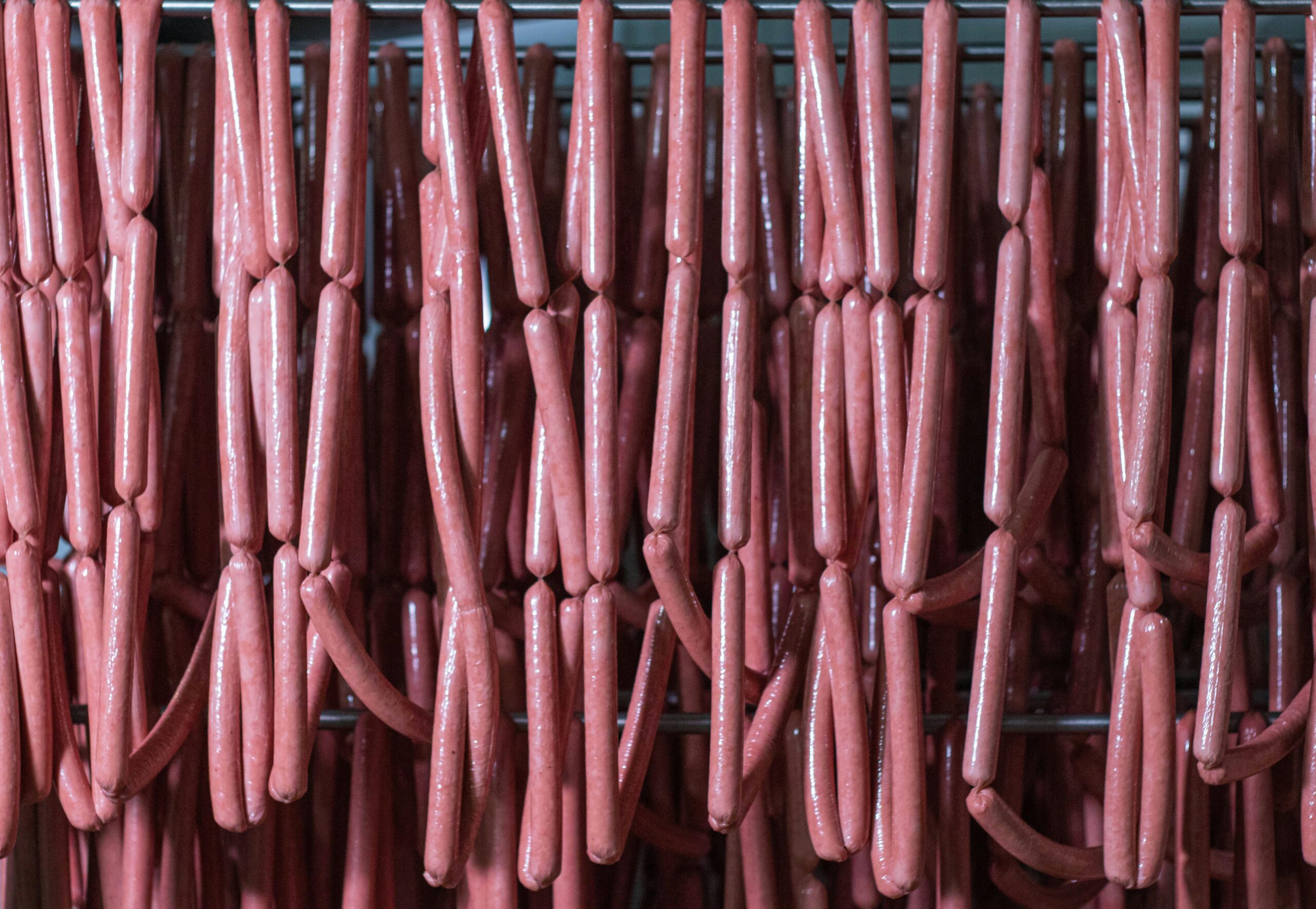
Wet cleaning is widely used in industrial settings to thoroughly remove residues from equipment and surfaces, especially in meat processing or dairy facilities. Proper application involves:
- Pre-rinsing with water at appropriate temperatures.
- Applying detergents or enzymatic cleaners.
- Rinsing and sanitizing post-cleaning.
Innovations and Technological Solutions
Emerging technologies, including automated cleaning systems and eco-friendly disinfectants, are revolutionizing industrial sanitation. These advancements contribute to operational efficiency while maintaining strict hygiene standards.
Choosing the Right Sanitation Partner
When selecting a contract sanitation company, key factors include expertise, compliance record, and ability to deliver customized solutions. Top providers include:
Partnering with experienced companies ensures sustainable sanitation practices aligned with industry standards.
Conclusion
Effective food plant sanitation significantly impacts food safety, regulatory compliance, and brand reputation. Integrating comprehensive cleaning protocols, leveraging advanced technologies, and partnering with reputable sanitation providers constitutes a robust approach to maintaining excellence in food processing environments.
Further Resources
For more information on food safety standards and sanitation best practices, visit Fayette or consult with certified sanitation service providers specialized in food industry requirements.