Introduction to Food Plant Sanitation
Effective sanitation in food processing facilities is crucial for ensuring food safety, preventing contamination, and complying with industry regulations. This article explores best practices for food plant sanitation, focusing on cleaning, sanitizing, and regulatory compliance.
Understanding the Importance of Food Plant Sanitization
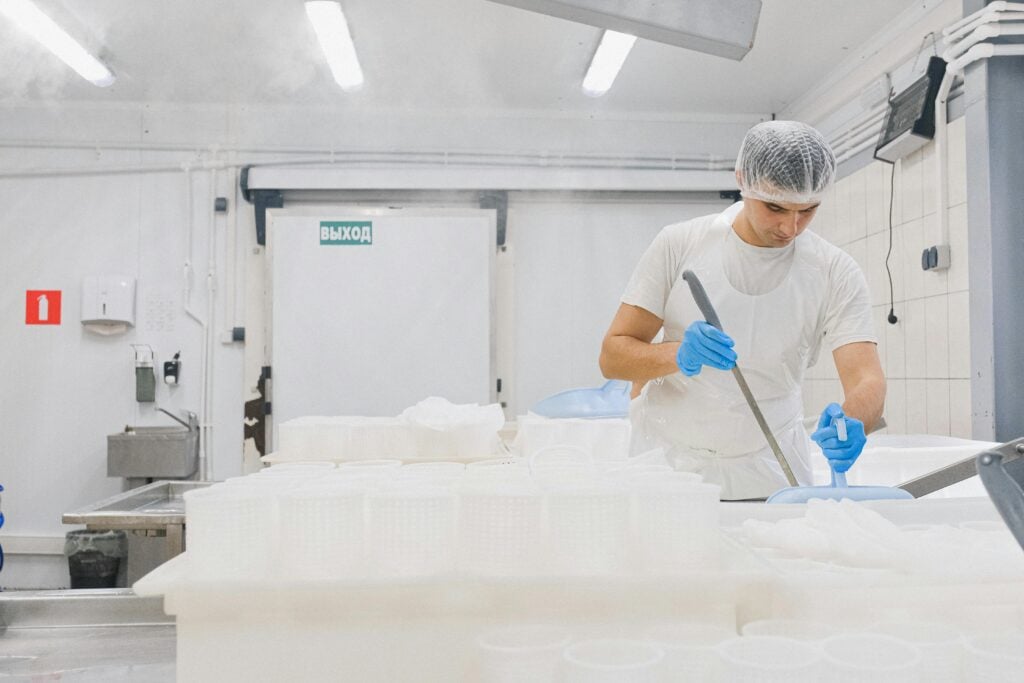
Proper sanitation practices are vital for eliminating dirt, debris, and microorganisms that can compromise product quality. Regular cleaning and sanitization help maintain a hygienic environment and prevent cross-contamination within the facility.
Best Practices for Cleaning in Food Industry
Pre-Cleaning Procedures
- Remove visible debris and soil from equipment and surfaces.
- Use pre-rinse and pre-wash techniques with appropriate detergents.
Cleaning Methods
Choose cleaning methods based on the type of soil and equipment material. Common methods include:
- Wet Cleaning: Using water and detergents to remove residues.
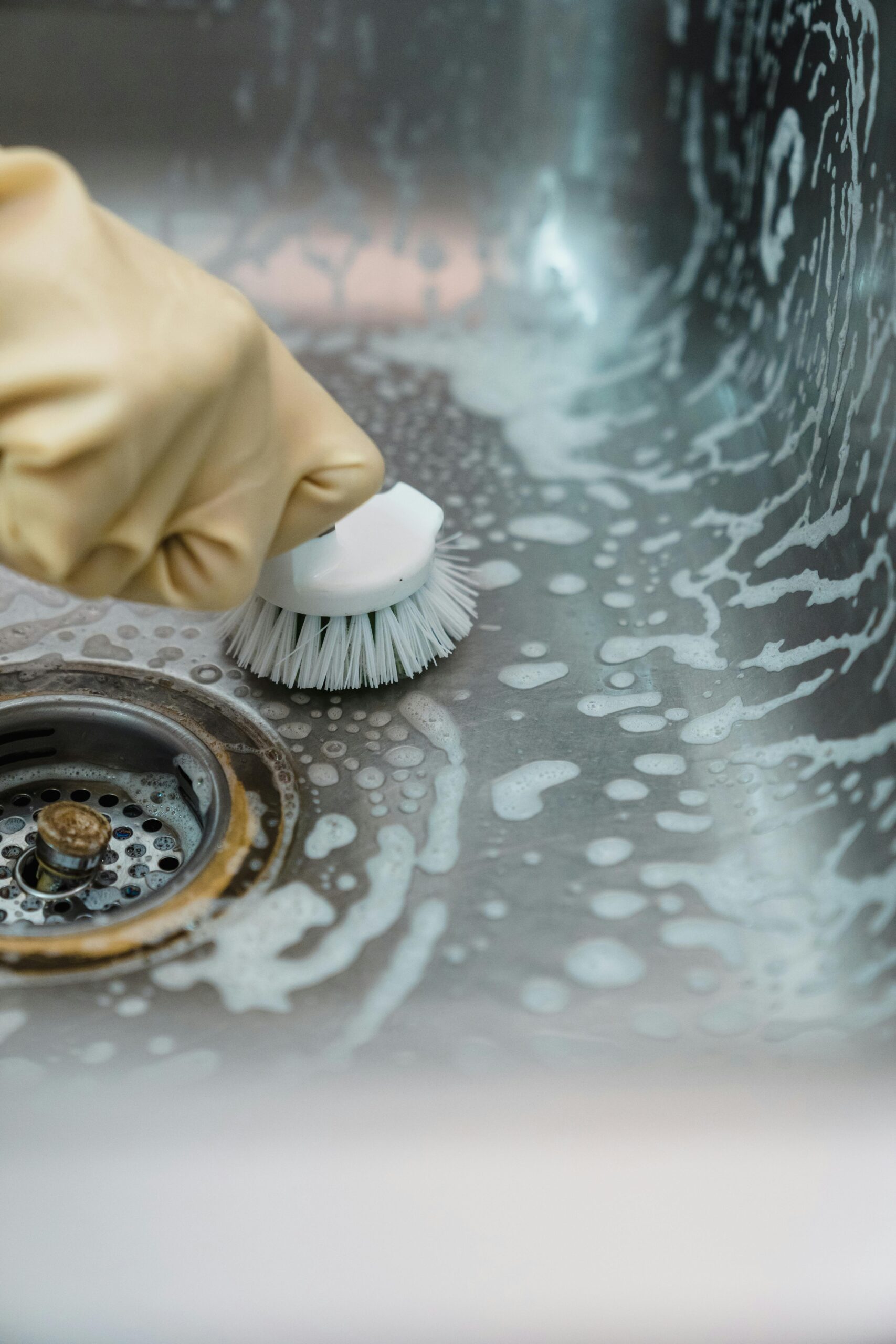
- Mechanical Cleaning: Employing brushes and scrubbers for stubborn soils.
Sanitizing to Ensure Food Safety
Difference Between Cleaning and Sanitizing
While cleaning removes dirt and organic material, sanitizing reduces microbial load to safe levels. Both are essential steps in the food industry.
Sanitizer Selection and Application
- Use EPA-approved sanitizers suitable for food contact surfaces.
- Ensure proper contact time and concentration.
Maintaining Regulatory Compliance: HACCP and Industry Standards
Implementing a HACCP system ensures proactive risk management. Regular audits and documentation of sanitation procedures are necessary to meet industry standards and regulations.
Advanced Sanitation Technologies
Incorporating innovative technologies like fogging, UV sanitation, and ozone treatment can enhance sanitation efficacy, especially in hard-to-reach areas.
Choosing the Right Sanitation Service Provider
Partnering with experienced sanitation service providers such as Fayette Contract Sanitation Services, Janiking, or Jan-Pro can support maintaining high sanitation standards.
Conclusion
Effective food plant sanitation is a multi-step process that requires detailed procedures, quality products, and industry compliance. Regular training, technological advancements, and professional sanitation services will ensure your facility remains compliant and food-safe.