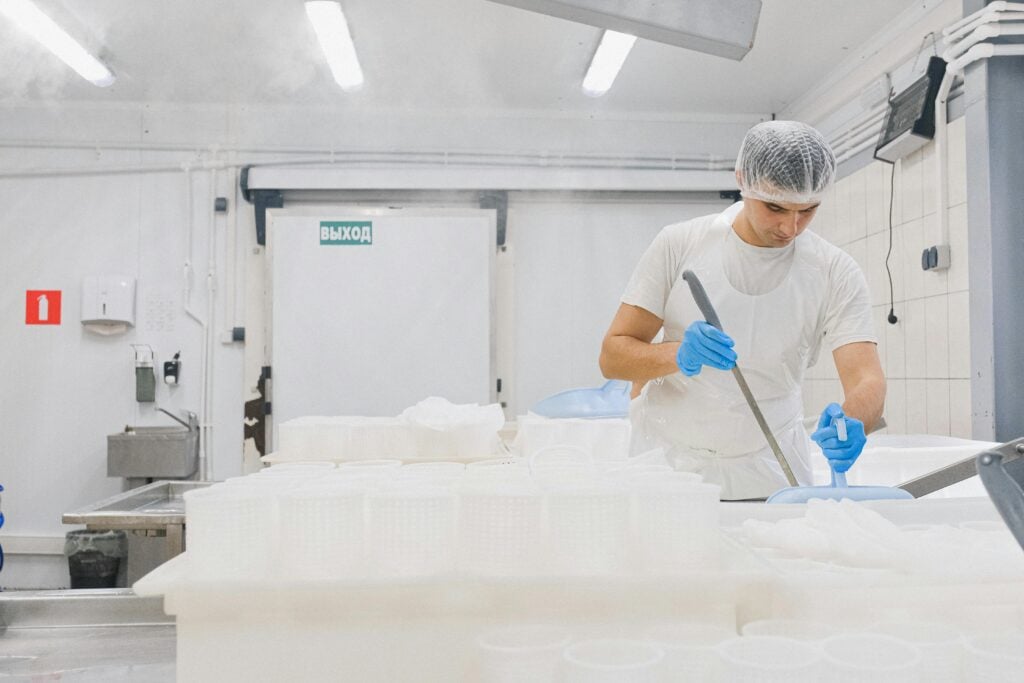
In the competitive landscape of the food processing industry, maintaining strict sanitation standards and compliance with food safety regulations is essential to ensure product integrity and consumer trust. This article explores practical methods for optimizing sanitation processes in food plants, emphasizing the importance of effective food plant sanitation services and industry compliance.
Understanding the Significance of Food Plant Sanitation
Food safety is heavily reliant on proper sanitation practices. Unsanitary conditions can lead to contamination, spoilage, and outbreaks of foodborne illnesses. As a result, food processing facilities must implement rigorous cleaning protocols that comply with industry standards such as HACCP (Hazard Analysis and Critical Control Points).
Core Components of Effective Sanitation in Food Processing
Cleaning vs. Sanitizing
- Cleaning: The removal of visible dirt, debris, and food residues using detergents and high-pressure water.
- Sanitizing: Reducing microbial populations to safe levels through the application of approved disinfectants.
Key Sanitation Techniques
- Wet Cleaning: Essential for removing stubborn residues, using thorough rinsing and disinfecting steps.
- Dry Cleaning: For equipment where moisture may cause issues, using dry brushes or vacuums.
Ensuring Compliance with Food Safety Regulations
Adhering to regulatory standards such as those set forth by the FDA or USDA involves consistent documentation, training, and verification of sanitation procedures. Food safety audits assess your facility’s compliance, highlighting areas for improvement.
Choosing the Right Sanitation Service Providers
Partnering with experienced sanitation companies can greatly enhance your cleaning protocols. Some reputable options in the industry include:
Implementing Effective Sanitation Programs
Steps to Enhance Food Plant Sanitation
- Conduct thorough sanitation assessments to identify risk areas.
- Develop a customized cleaning schedule aligned with HACCP principles.
- Train staff comprehensively on sanitation procedures and safety protocols.
- Use state-of-the-art cleaning equipment and approved disinfectants.
- Maintain meticulous records and regularly verify sanitation effectiveness.
Conclusion
Effective sanitation and strict compliance are foundational to safe and quality food production. By integrating robust cleaning practices, utilizing reputable sanitation services, and adhering to regulatory standards, food plants can mitigate risks and ensure consumer safety at every stage of production.
For more insights and tailored sanitation solutions, consider consulting industry providers and leveraging the latest cleaning technologies to stay ahead in food safety compliance.