Introduction to Food Plant Sanitation and Hygiene Compliance
Maintaining rigorous sanitation standards in food processing facilities is essential for ensuring food safety, complying with regulatory requirements, and safeguarding public health. Effective sanitation practices reduce microbial risk, prevent cross-contamination, and foster consumer confidence.
The Critical Role of Sanitation in the Food Industry
Why Food Industry Sanitation is Non-Negotiable
- Prevents microbial contamination and foodborne illnesses
- Supports compliance with HACCP systems
- Maintains product quality and shelf life
- Reduces legal liabilities and recalls
Key Strategies for Effective Food Plant Sanitation
Implementing Robust Cleaning Protocols
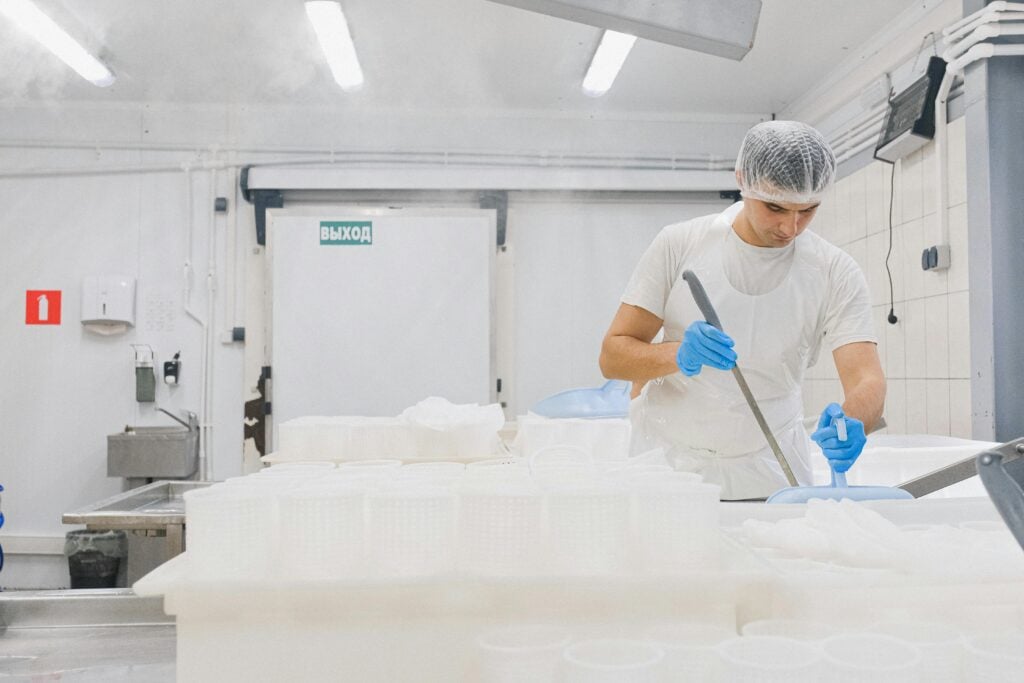
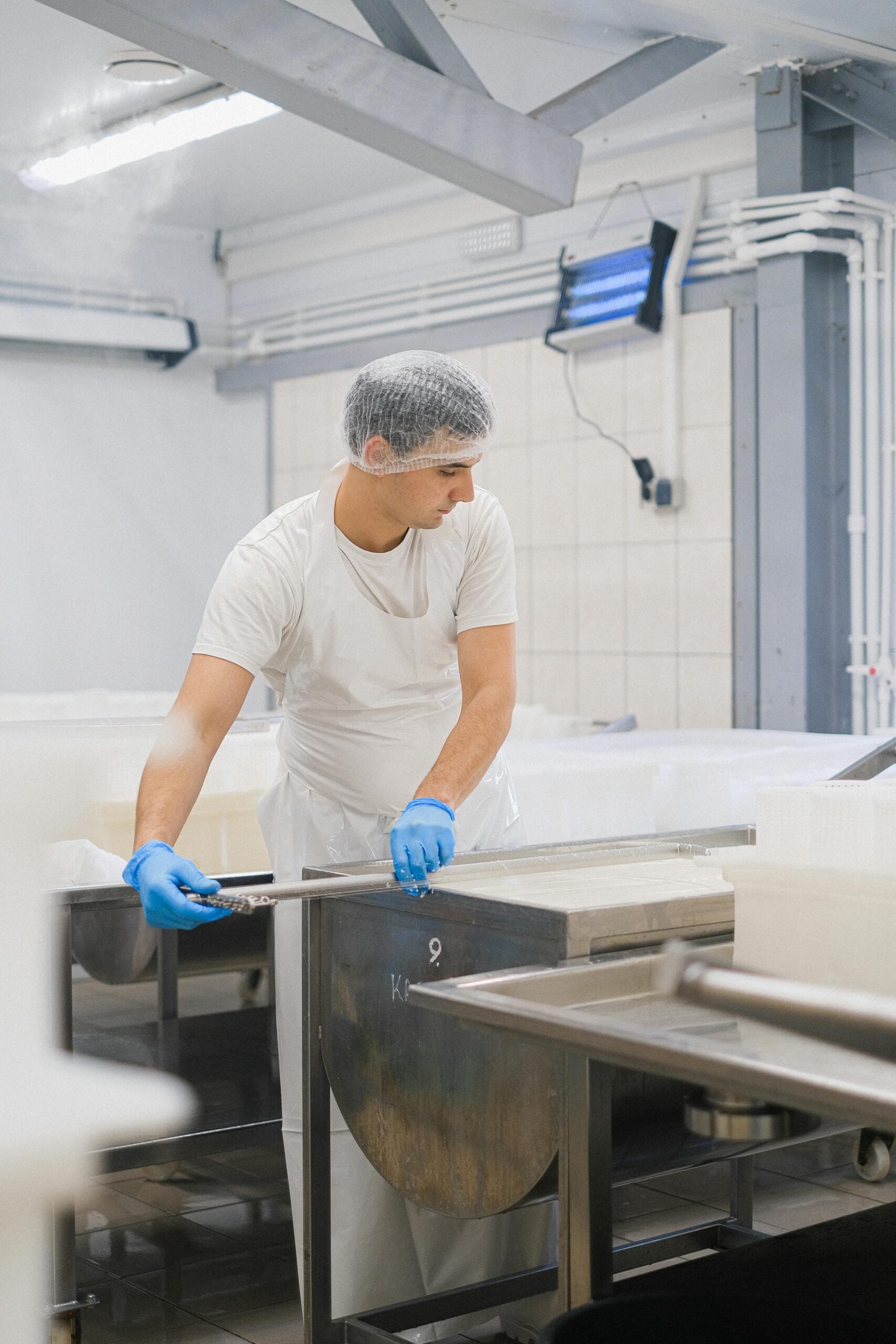
Adopt industrial sanitation techniques such as wet cleaning, which effectively removes dirt and debris from processing surfaces. Regular cleaning in food industry settings is foundational to maintaining a hygienic environment.
Utilizing Approved Disinfectants and Sanitizers
Choose disinfectants that comply with food safety standards to ensure microbial control without contaminating products. Proper sanitization steps significantly reduce pathogen levels.
Developing a HACCP-Based Sanitation Plan
Integrate sanitation procedures with HACCP (Hazard Analysis Critical Control Point) plans. This approach helps identify potential contamination points and develop targeted control measures.
Innovative Technologies in Food Processing Sanitation
Advanced Cleaning Solutions
Emerging cleaning technologies like high-pressure hot water and enzymatic cleaners can enhance sanitation efficiency while reducing chemical usage.
Automated Cleaning Systems
Automation in cleaning processes ensures consistency, reduces labor costs, and minimizes human error, contributing to compliance and safety.
Partnering with Reliable Contract Sanitation Companies
Choosing experienced sanitation service providers, such as Fayette Contract Sanitation Services, helps ensure adherence to industry standards and enhances overall food safety programs. Other reputable companies include Janiking and Jan-Pro.
Compliance and Training
Ongoing staff training on sanitation procedures, combined with adherence to regulatory guidelines, is vital for maintaining high standards in food processing environments.
Conclusion
Effective sanitation in food processing plants is a complex but crucial aspect of food safety management. Incorporating innovative techniques, partnering with experienced sanitation providers, and fostering continuous staff training support compliance and protect public health.