Introduction to Food Plant Sanitation and Its Role in Compliance
Maintaining a high standard of cleanliness in food processing facilities is crucial for ensuring food safety and regulatory compliance. Companies that prioritize sanitation not only safeguard consumer health but also adhere to industry standards such as Fayette Contract Sanitation Services and other reputable providers like Jan-Pro and Hydrite.
The Significance of Proper Food Plant Sanitation
Why Sanitation Matters in Food Processing
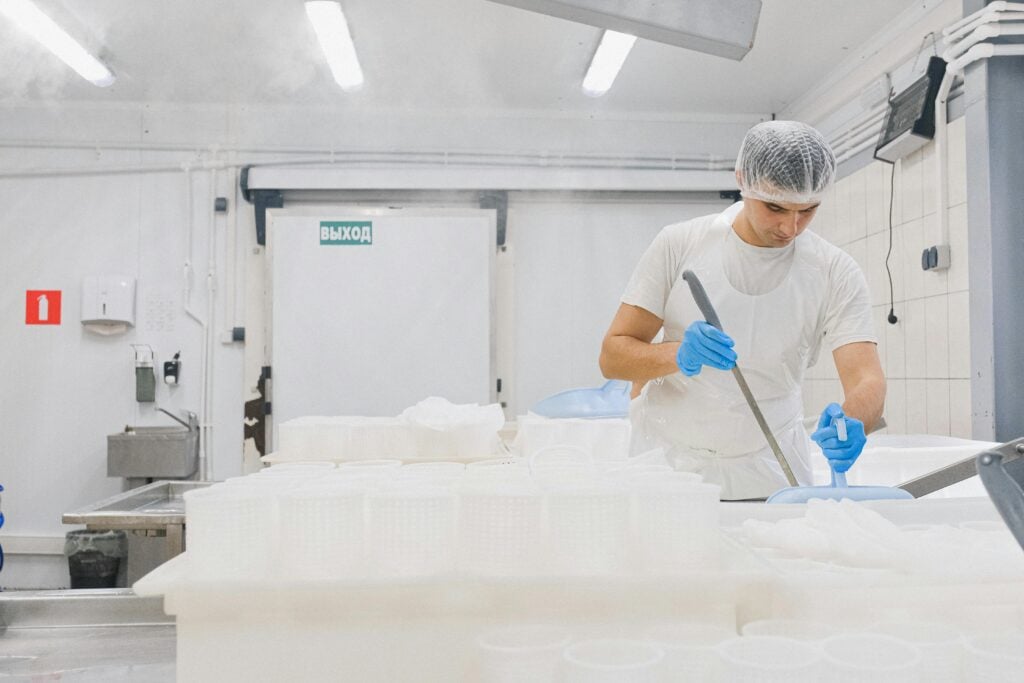
In food processing environments, sanitation goes beyond cleaning; it’s about creating a safe and hygienic space that prevents cross-contamination and pathogen growth. The food industry requires rigorous sanitation protocols to meet HACCP standards and other regulatory guidelines.
Distinguishing Cleaning from Sanitizing
Understanding the difference between cleaning and sanitizing is fundamental:
- Cleaning: Removes dirt, debris, and food residues.
- Sanitizing: Reduces bacteria to safe levels.
Effective Sanitation Practices in Food Plants
Key Procedures
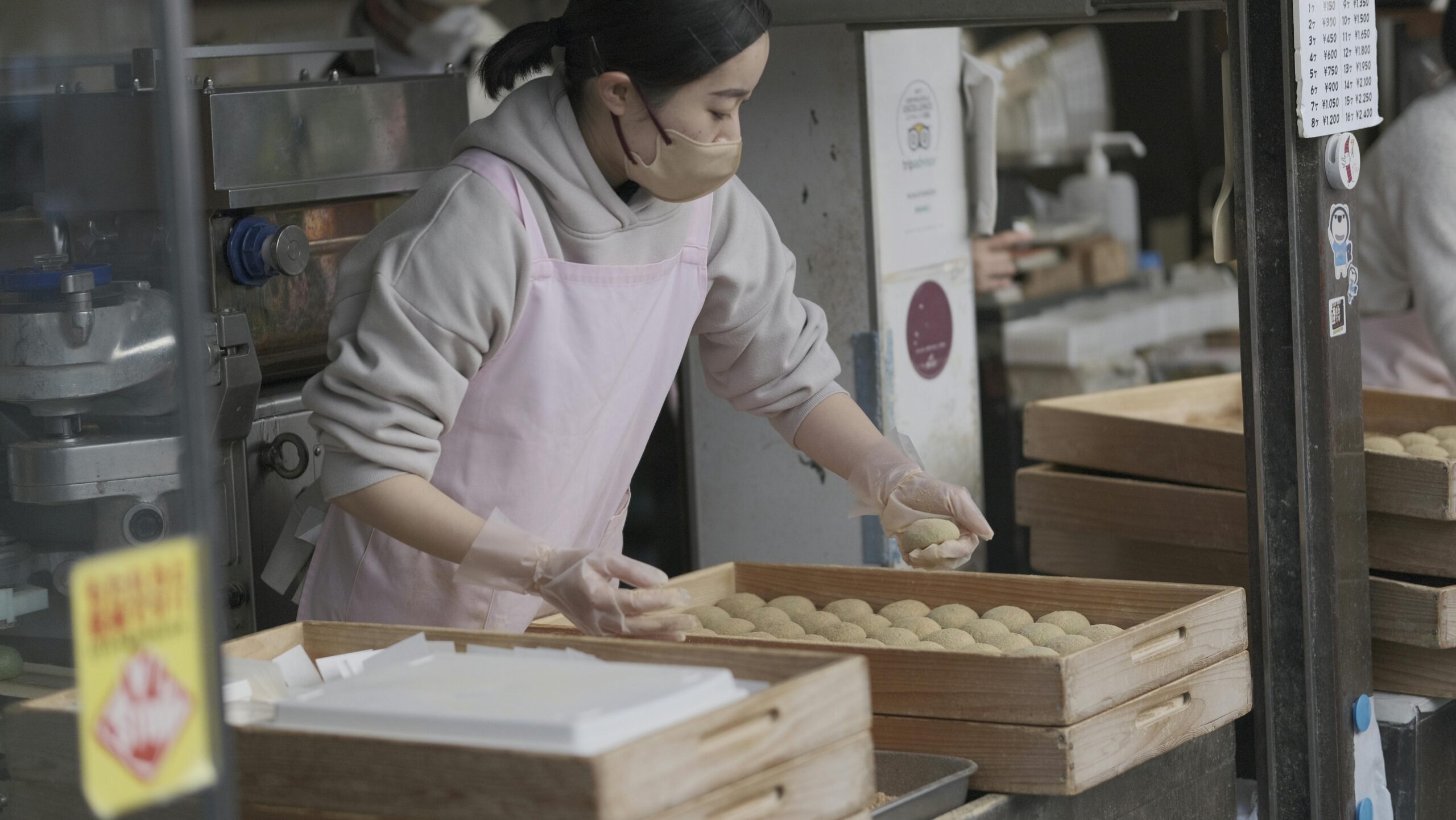
- Use approved cleaning chemicals and disinfectants specifically designed for food contact surfaces.
- Follow a scheduled cleaning routine to prevent buildup of contaminants.
- Maintain proper water temperature and contact time during cleaning and sanitizing processes.
Implementing HACCP Principles
HACCP (Hazard Analysis and Critical Control Points) is essential for identifying and controlling food safety hazards. Establishing critical control points for sanitation processes ensures consistent compliance and safety.
Choosing the Right Contract Sanitation Company
Engaging a qualified contract sanitation company provides expertise and consistency in sanitation efforts. Providers like Fayette Contract Sanitation Services, along with Janiking and GDI, offer tailored cleaning programs designed for food processing facilities.
Conclusion: Maintaining Food Safety Through Effective Sanitation
Proper sanitation in food processing plants not only helps meet regulatory standards but also ensures the safety of the finished products. Implementing industry best practices, employing reliable sanitation service providers, and understanding the importance of rigorous cleaning and sanitization protocols are key steps toward a safe and compliant food production environment.