
Understanding Food Plant Sanitation and Its Role in Food Safety
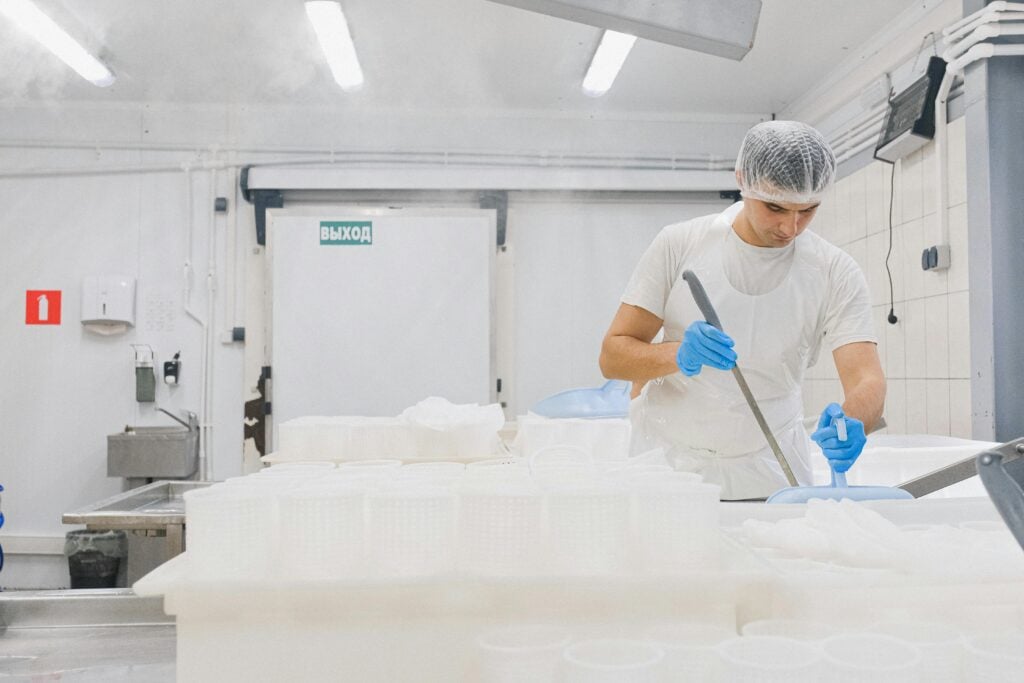
Maintaining a clean and sanitized food processing environment is vital for ensuring food safety and meeting regulatory standards. Proper sanitation practices help prevent contamination, control bacteria, and ensure high-quality food production.
Key Components of Food Processing Plant Cleaning
Effective cleaning in the food industry involves:
- Wet cleaning techniques to remove dirt and debris from equipment surfaces
- Use of food-safe cleaning agents with proven efficacy
- Routine sanitation procedures aligned with HACCP (Hazard Analysis and Critical Control Points) standards
Importance of Compliance in Food Industry Sanitation
Food plant sanitation services are mandated by agencies like the USDA and FDA. Compliance not only avoids costly violations but also protects consumer health. Implementing a robust sanitation program requires strategic planning and partnership with professional contractors.
Choosing the Right Contract Sanitation Company
Partnering with reputable Fayette Contract Sanitation Services provides tailored cleaning solutions designed for the unique needs of food production facilities. Other experienced providers include Janitorial Service by Janiking and Jan-Pro.
Implementing Effective Food Safety and Sanitation Programs
To ensure ongoing compliance and cleanliness:
- Establish clear sanitation procedures based on HACCP principles
- Train staff regularly on sanitation best practices
- Use appropriate disinfectants and cleaning agents
- Schedule routine audits to verify sanitation effectiveness
Conclusion
Effective food plant sanitation is crucial for compliance with strict industry standards and protects consumer health. Partnering with experienced sanitation providers like Fayette can help create safer food processing environments while streamlining operational efficiency.
For more information on food sanitation services, visit Fayette Contract Sanitation Services.