Introduction to Food Plant Sanitation and Food Safety
In the food processing industry, maintaining cleanliness and sanitation is critical for ensuring consumer safety and regulatory compliance. Effective sanitation protocols reduce the risk of microbial contamination, spoilage, and cross-contamination, thereby supporting food safety standards and quality assurance.
Understanding Food Plant Sanitation Services
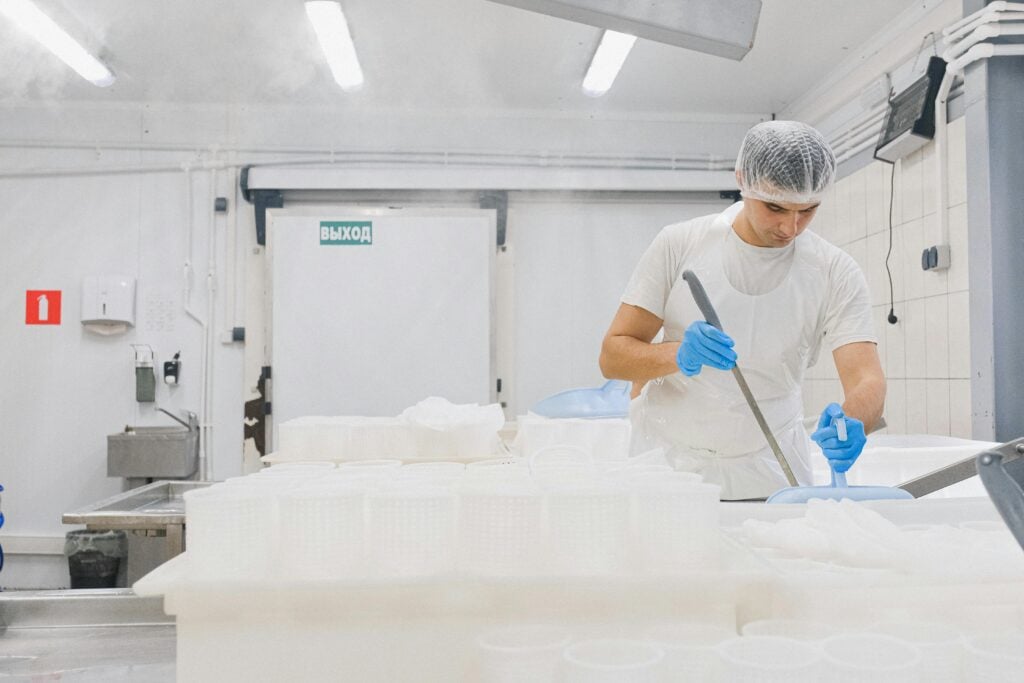
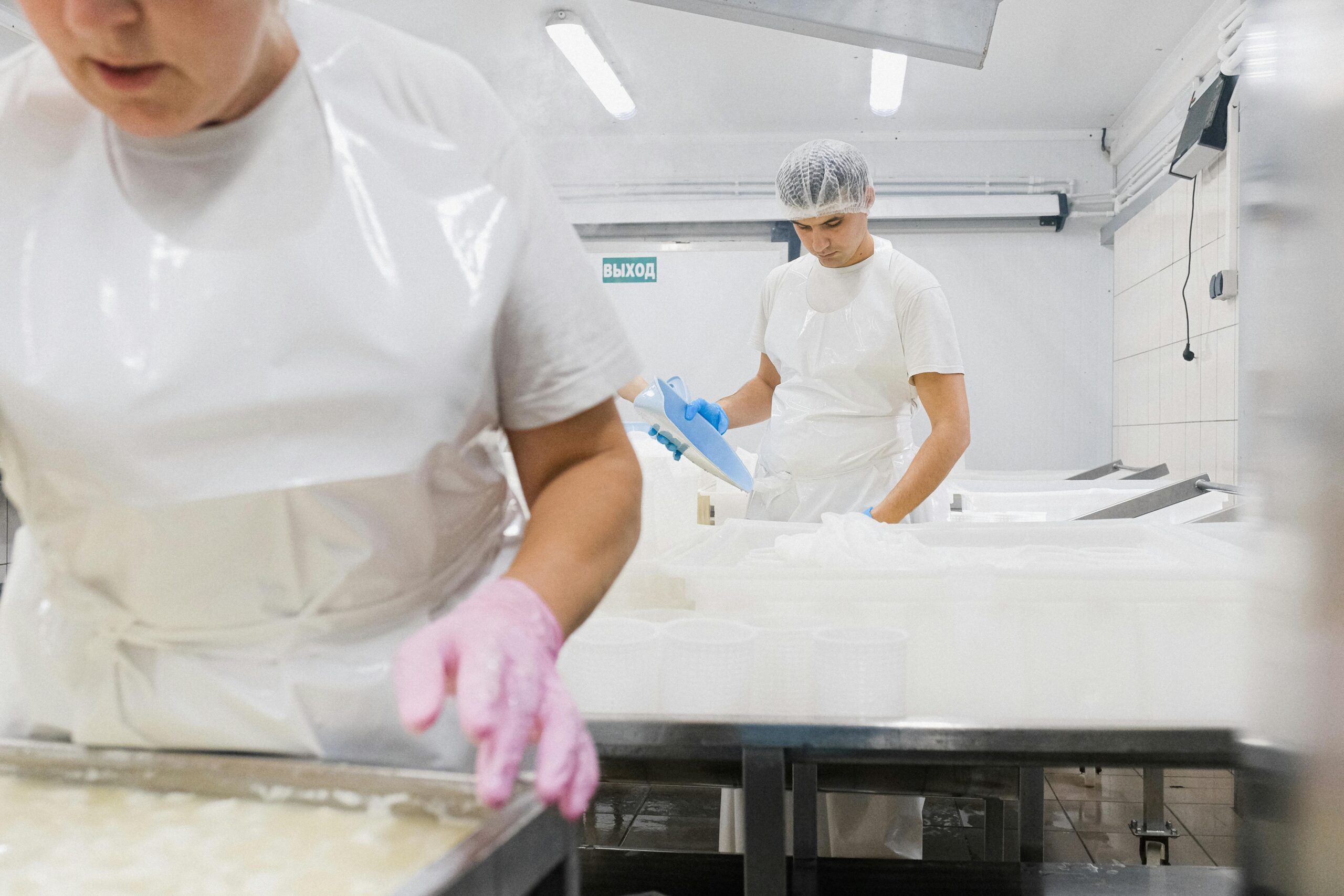
Food plant sanitation services encompass a range of cleaning and disinfecting procedures tailored specifically for the food processing environment. Specialized sanitation companies leverage advanced cleaning agents and equipment to meet stringent industry requirements.
Key Techniques in Food Plant Sanitation
- Wet Cleaning: Utilizes water, detergents, and agitation to remove dirt and organic matter from surfaces, equipment, and floors.
- Sanitization: Applies chemical agents to reduce microbial load to safe levels, often following cleaning processes.
- Disinfection: Use of disinfectants to eliminate pathogenic microorganisms, critical in areas prone to contamination.
Implementing Effective Sanitation Protocols
Developing a Sanitation Schedule
Regular cleaning schedules are essential. A well-structured plan addresses different areas of the plant based on usage and contamination risk, including raw material zones, processing lines, and packaging areas.
Training Staff
Staff must be trained in proper sanitation techniques, safety procedures, and the importance of compliance with health standards. Proper documentation of sanitation activities supports audit readiness and process integrity.
Compliance and Food Safety Standards
Adhering to standards like HACCP (Hazard Analysis and Critical Control Points) ensures control over potential contamination points. Sanitation procedures must align with these guidelines to certify that food safety is consistently maintained.
Choosing a Sanitation Service Provider
A reliable sanitation service provider can improve operational efficiency and uphold hygiene standards. Companies like Fayette Contract Sanitation Services offer tailored solutions for the food processing industry.
Other noteworthy providers include Janiking and Jan-Pro, both recognized for their specialized commercial cleaning protocols.
Conclusion
Consistent and effective sanitation is indispensable for safe food processing. By implementing strategic cleaning protocols, leveraging professional sanitation services, and adhering to regulatory standards, food manufacturers can effectively prevent contamination and ensure consumer confidence in their products.