
Introduction to Food Plant Sanitation
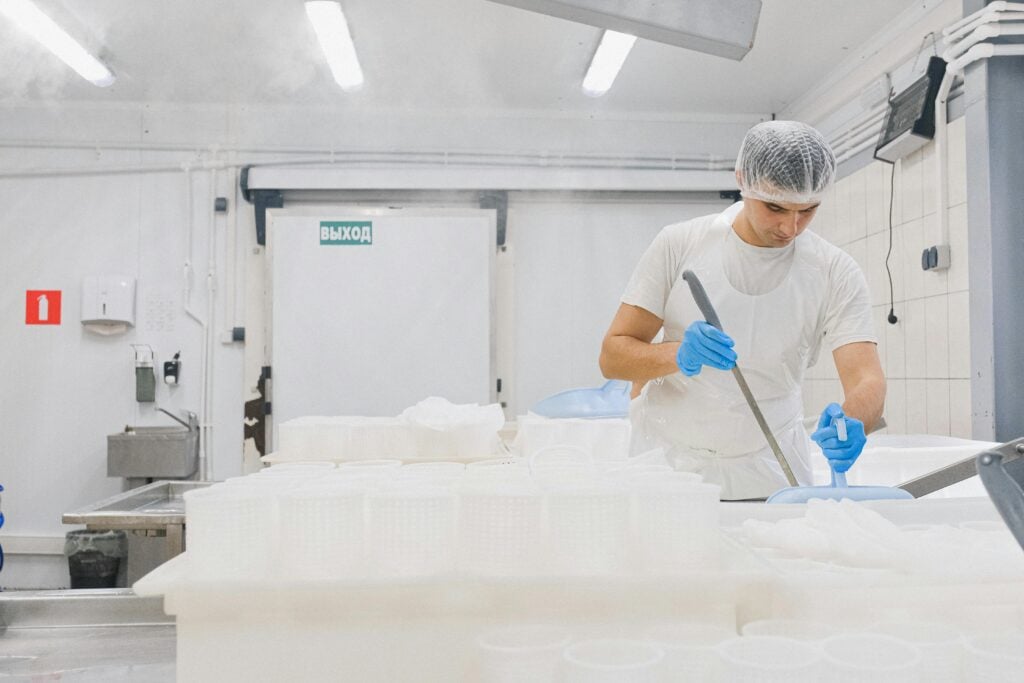
Maintaining impeccable sanitation standards in food processing facilities is crucial for ensuring food safety, regulatory compliance, and operational efficiency. Food plant sanitation involves a combination of cleaning, disinfecting, and sterilizing surfaces and equipment to eliminate harmful microorganisms and prevent cross-contamination.
The Importance of Effective Sanitation in Food Processing
Protecting Public Health
Rigorous sanitation protocols help prevent foodborne illnesses caused by pathogens such as Salmonella, E. coli, and Listeria. Implementing effective sanitation measures ensures that food products are safe for consumer consumption.
Regulatory Compliance
Food facilities must adhere to stringent standards set by agencies like the FDA and USDA. Regular sanitation audits and adherence to HACCP (Hazard Analysis Critical Control Point) plans are fundamental components of compliance.
Key Strategies for Effective Food Plant Sanitation
Developing a Robust Cleaning Schedule
- Identify high-risk areas such as processing lines, equipment, and storage zones.
- Establish routine cleaning and sanitation frequencies based on activity levels and contamination risk.
- Utilize checklists to document completed tasks and monitor effectiveness.
Using Sanitation-Compatible Products
Select cleaning agents and disinfectants approved for food industry use. These should be effective against a broad spectrum of microorganisms without leaving harmful residues.
Training Staff for Proper Techniques
Ensure employees are trained in correct cleaning procedures, including the use of approved chemicals and personal protective equipment (PPE).
Innovative Technologies in Food Plant Sanitation
Wet Cleaning Methods
Wet cleaning is a standard approach involving washing surfaces with water and suitable detergents, especially effective for removing organic material that shields microorganisms.
Automated Cleaning Systems
Utilize automated wash-in-place (WIP) systems to reduce manual labor and improve consistency.
Partnering with Sanitation Service Providers
If in-house resources are limited, food facilities might consider contracted sanitation services. Companies like Fayette Contract Sanitation Services offer tailored cleaning programs. Other reputable options include Janiking and Jan-Pro, which provide specialized industrial sanitation solutions.
Monitoring and Verifying Sanitation Effectiveness
Regular Microbiological Testing
Microbial swabs and ATP testing help verify that sanitation protocols are effective and surfaces are free from pathogenic contamination.
Record Keeping and Documentation
Maintaining detailed logs of cleaning activities and test results ensures transparency and prepares facilities for inspection audits.
Conclusion
Implementing comprehensive sanitation practices in food processing plants is vital for safeguarding public health, ensuring compliance, and maintaining product quality. Combining effective strategies, modern technology, and reliable sanitation partners fosters a safe and efficient production environment.
For more insights into food plant sanitation and expert cleaning services, visit Fayette Contract Sanitation Services.