Introduction to Food Plant Sanitation
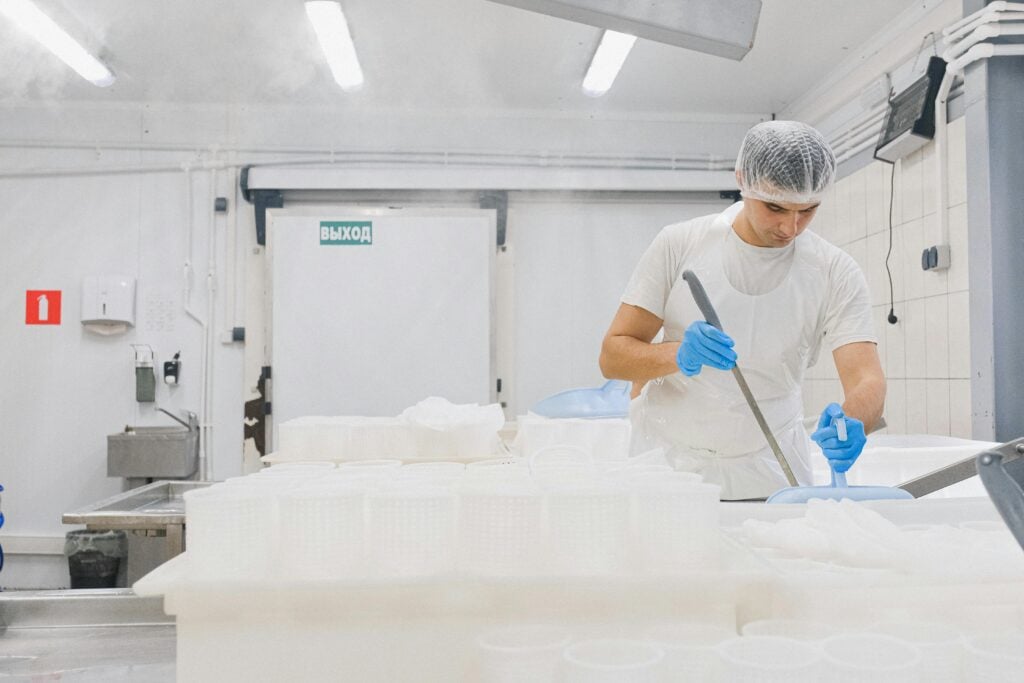
Maintaining a high standard of sanitation in food processing facilities is essential for ensuring food safety, regulatory compliance, and operational efficiency. Industrial sanitation services play a crucial role in preventing contamination and safeguarding public health.
Why Food Plant Sanitation is Critical
Food processing plants are environments where bacteria and other pathogens can thrive if not properly cleaned and sanitized. Regular cleaning and effective sanitation protocols help reduce microbial load, ensuring products meet safety standards and reducing the risk of recall due to contamination.
Key Components of Industrial Sanitation
Effective Cleaning Techniques
- Wet Cleaning: Utilizes water and specially formulated detergents to remove dirt, debris, and residual food particles.
- Food Industry-Specific Cleaning Methods: Tailored procedures to accommodate unique equipment and product types.
Sanitization Processes
Sanitization involves reducing the microbial presence to safe levels, often through disinfectants approved for food contact surfaces. Proper application of sanitizers following cleaning is vital for effective sanitation.
Sanitation Best Practices
- Use food-safe disinfectants
- Perform routine cleaning schedules
- Monitor microbial levels regularly
- Train staff on sanitation procedures
Implementing HACCP in Food Processing
The HACCP (Hazard Analysis and Critical Control Points) system is fundamental in identifying potential hazards and establishing control measures. Integrating sanitation procedures within HACCP plans ensures food safety and regulatory compliance.
Choosing the Right Contract Sanitation Provider
Partnering with reputable sanitation companies enhances compliance and operational efficiency. Top-rated service providers include:
Regular audits, staff training, and adherence to sanitation protocols are key to maintaining food safety standards.
Continuous Improvement and Compliance
Detection of microbial contamination and auditing are ongoing processes. Staying updated on sanitation best practices and technological advancements can improve efficacy and compliance.
Conclusion
Maintaining proper sanitation in food processing plants is a fundamental aspect of food safety management. Implementing robust cleaning protocols, utilizing HACCP principles, and partnering with trusted sanitation providers are critical steps toward ensuring a safe and compliant operation.