Introduction
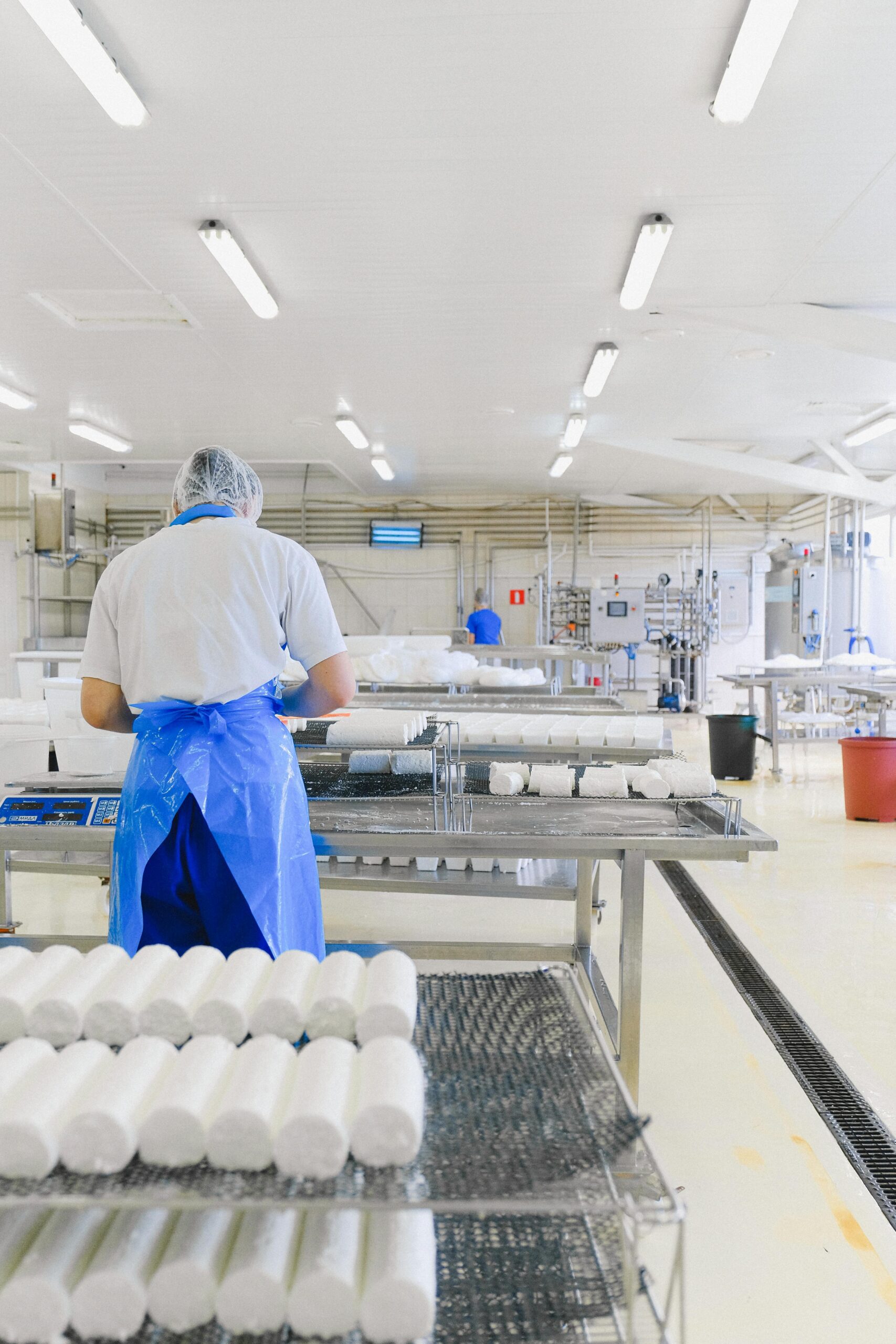
In the highly regulated and safety-critical world of food processing, maintaining flawless sanitation standards is paramount. The role of trained food plant sanitation services cannot be overstated in ensuring compliance and preventing contamination.
The Importance of Food Plant Sanitation
Why Sanitation is Critical in Food Processing
- Prevents microbial growth and cross-contamination
- Meets regulatory compliance and HACCP standards
- Increases operational efficiency
- Protects brand reputation and consumer safety
Effective Strategies for Food Processing Plant Cleaning
Best Practices in Food Industry Cleaning
- Use of approved detergents and disinfectants: Choose products that are effective and approved by relevant authorities.
- Wet cleaning methods: Incorporate wet cleaning procedures to ensure thorough removal of residues.
- Scheduled cleaning cycles: Regular cleaning schedules to prevent buildup of debris and microbes.
- Employee training: Regular training on cleaning protocols and sanitation standards.
Key Regulatory and Safety Protocols
Understanding HACCP in Food Sanitation
Hazard Analysis and Critical Control Points (HACCP) is integral in designing effective sanitation procedures. It involves identifying hazards, establishing control measures, and documenting sanitation practices to ensure food safety compliance.
Food Safety Audits and Certification
Regular audits help verify the effectiveness of sanitation protocols. Proper documentation, employee training, and adherence to standards like HACCP are essential for passing inspections.
Leading Food Sanitation Service Providers
When seeking professional assistance, consider reputable companies like Fayette Contract Sanitation Services, Janiking, and Hydrite. These companies offer tailored sanitation solutions that align with industry standards and regulatory requirements.
Conclusion
Maintaining high standards in food plant sanitation is essential for food safety, regulatory compliance, and brand integrity. Integrated cleaning strategies, employee training, and the support of experienced sanitation service providers form the foundation of a safe and efficient food processing operation.