
Optimizing Food Plant Sanitation to Ensure Food Safety and Regulatory Compliance
Maintaining impeccable sanitation in food processing facilities is crucial for food safety, regulatory compliance, and overall operational efficiency. From cleaning in the food industry to strict HACCP (Hazard Analysis and Critical Control Point) systems, understanding the best practices for food plant sanitation can protect consumers and boost brand reputation.
Importance of Food Plant Sanitation
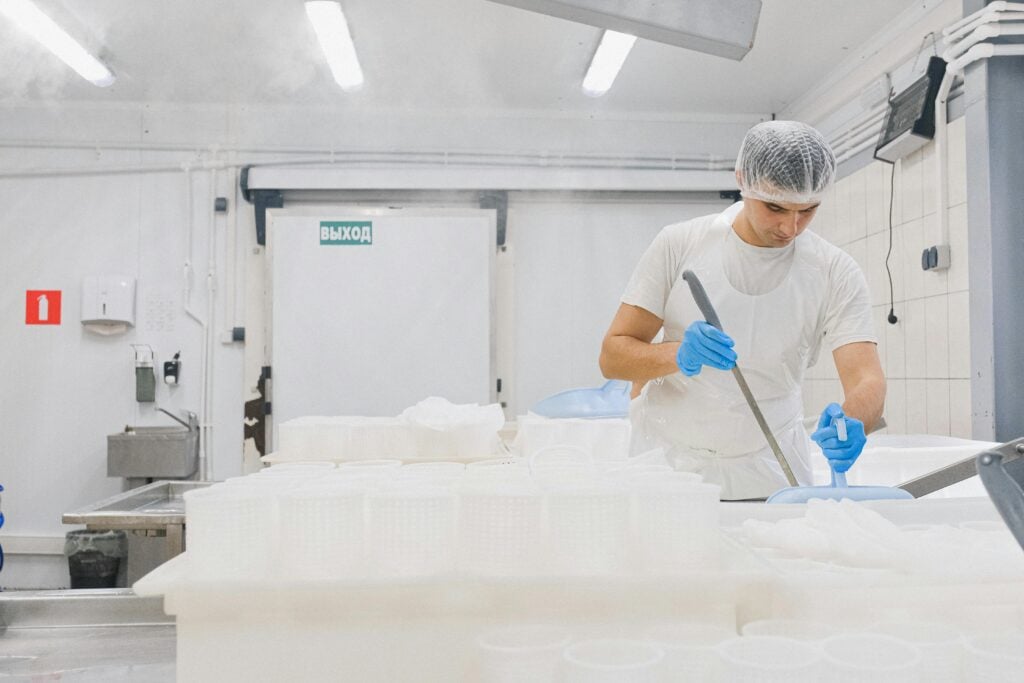
Food sanitation involves a combination of cleaning and disinfection processes designed to remove debris, pathogens, and organic matter from equipment, surfaces, and facilities. Proper sanitation reduces the risk of contamination, spoilage, and foodborne illnesses, directly aligning with compliance standards set by agencies like the FDA and USDA.
Effective Food Processing Plant Cleaning Methods
Cleaning vs. Disinfection
While cleaning removes dirt and organic matter, disinfection kills harmful microorganisms. Both steps are essential and have distinct procedures:
- Cleaning: Use of appropriate detergents and rinsing techniques to remove physical debris.
- Disinfection: Application of approved disinfectants to destroy pathogens and prevent cross-contamination.
Wet Cleaning Techniques
Wet cleaning is a fundamental method, especially suited for food processing environments. It involves the use of water combined with detergents or disinfectants to thoroughly cleanse surfaces, ensuring compliance with hygiene standards and preventing microbial growth.
Implementing HACCP for Food Safety
The HACCP system is a systematic approach to hazard management that requires food processing facilities to identify critical control points and put measures in place to mitigate risks. Proper sanitation works hand-in-hand with HACCP principles to ensure a safe and compliant supply chain.
Choosing the Right Contract Sanitation Partners
Partnering with reputable sanitation service providers is vital. Companies like Fayette Contract Sanitation Services offer tailored solutions that meet industry standards for cleaning and sanitation. Other trusted providers include Janiking and Hydrite.
Conclusion
Incorporating robust sanitation practices into your food processing operations not only enhances food safety but also ensures compliance with industry regulations. Regular training, adherence to cleaning protocols, and strategic partnerships are essential to maintain the highest standards of hygiene.