Introduction
Maintaining impeccable hygiene standards in food processing plants is essential to ensure food safety and comply with regulatory requirements. Effective sanitation services not only support compliance but also improve overall operational efficiency and consumer confidence.
Understanding the Role of Sanitation in Food Processing
What is Food Plant Sanitation?
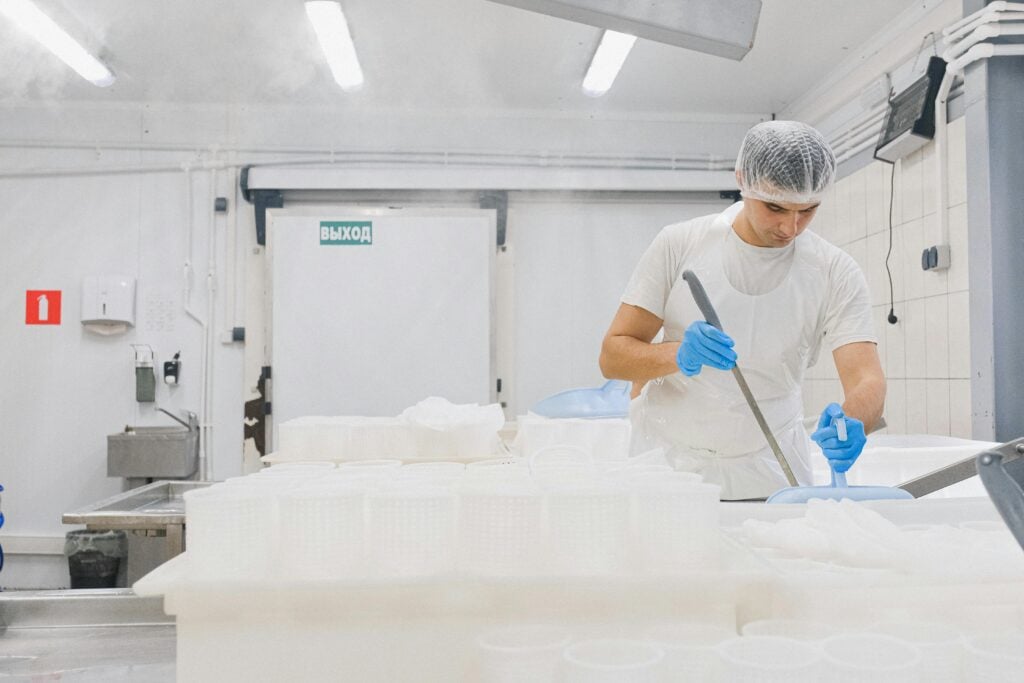
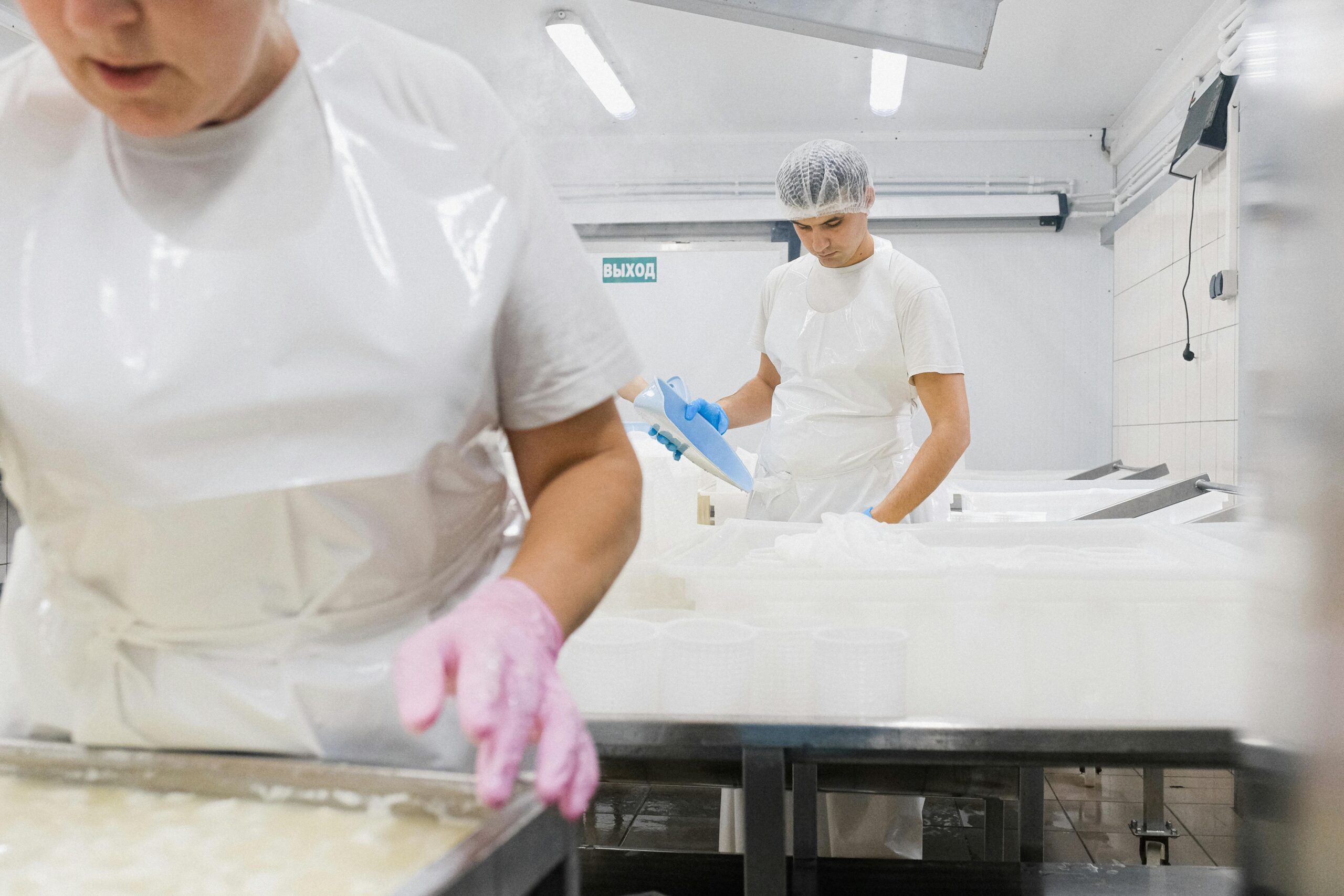
Food plant sanitation services involve comprehensive cleaning and disinfection processes designed to eliminate microbial contamination. Proper sanitation measures prevent cross-contamination, spoilage, and the growth of pathogenic bacteria.
The Importance of Hygiene in Food Processing
- Food safety: Prevents foodborne illnesses and recalls
- Regulatory compliance: Meets standards set by agencies such as the FDA and FSMA
- Operational efficiency: Reduces downtime and re-cleaning expenses
- Consumer trust: Ensures high-quality, safe products
Effective Sanitation Strategies for Food Plants
Utilizing Industry-Recommended Cleaning Protocols
Implement cleaning in the food industry using the latest practices such as wet cleaning and foam cleaning methods. Regular cleaning schedules, combined with validated sanitization procedures, are crucial to reduce microbial presence.
Choosing the Right Sanitation Products
Select EPA-registered disinfectants and sanitizers that are suitable for food-contact surfaces. Proper application and contact times ensure effective pathogen kill rates.
Implementing HACCP Principles
The HACCP system (Hazard Analysis and Critical Control Point) guides systematic sanitation practices that prevent hazards from entering the food supply chain.
Best Practices for Maintaining Clean and Safe Food Facilities
Employee Training and Hygiene
Employees should be trained regularly on sanitation protocols, personal hygiene, and cross-contamination prevention to uphold high standards of cleanliness.
Routine Inspection and Monitoring
Use microbial testing and sanitation audits to identify areas needing improvement. Monitoring helps maintain compliance and ensures sanitation efficacy over time.
Emerging Technologies in Food Plant Sanitation
Automation and Fogging
Automated cleaning systems and fogging technologies enhance coverage, reduce labor costs, and improve safety in hard-to-reach areas.
Ultraviolet (UV) and UV-C Light
Advancements in UV-C light sanitation provide chemical-free disinfection options for surfaces and air, reducing microbial load efficiently.
Conclusion
Investing in professional sanitation solutions is vital for food processing facilities aiming to ensure product safety and regulatory compliance. Partnering with reputable providers like Fayette Contract Sanitation Services, Janiking, and Hydrite can optimize your sanitation program and uphold the highest standards of hygiene.