Introduction to Food Plant Sanitation
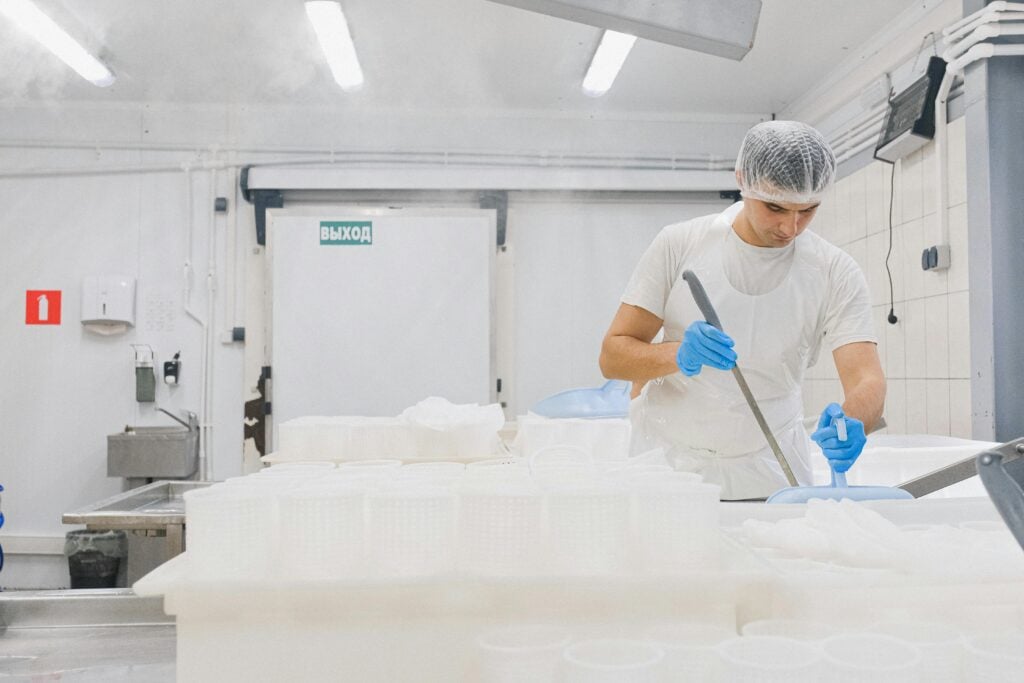
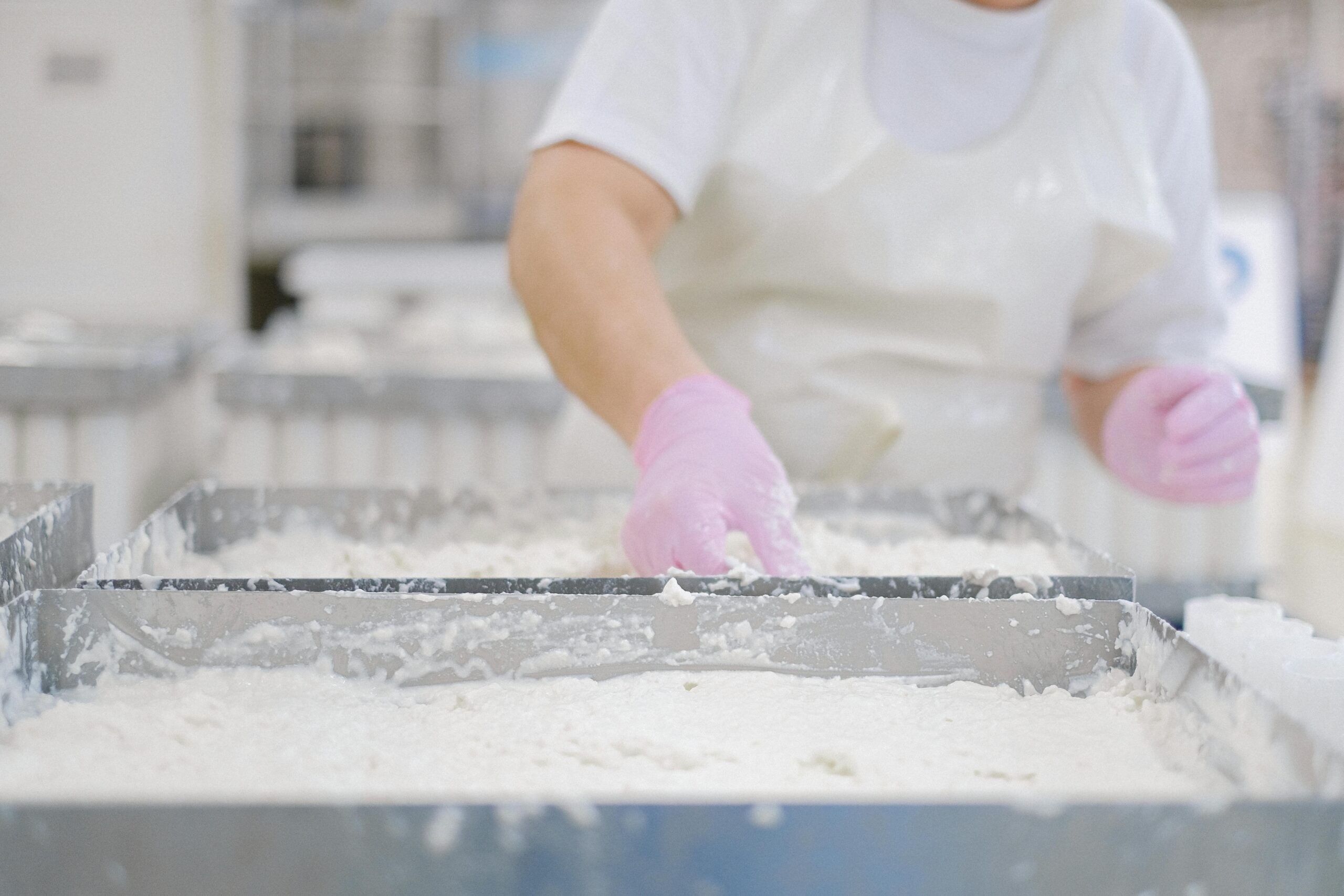
Maintaining rigorous sanitation standards in food processing facilities is essential to ensure food safety and compliance with industry regulations. Industrial sanitation encompasses a broad range of cleaning practices designed to eliminate contaminants and prevent cross-contamination.
Understanding Food Plant Sanitation Services
Effective sanitation services target the removal of dirt, debris, and microbial residues. These processes are critical for maintaining the integrity of food products and ensuring they meet safety standards. Food plant sanitation providers like Fayette Contract Sanitation Services offer specialized solutions tailored to unique manufacturing environments.
Key Components of Food Industry Hygiene
Cleaning vs. Sanitizing
Cleaning involves the physical removal of soils and food residues, while sanitizing reduces microbial counts on surfaces. Both steps are integral to a comprehensive sanitation program.
Common Cleaning Methods in the Food Industry
- Wet Cleaning: Utilizes water and detergents to wash surfaces effectively, especially in areas prone to grease and soil buildup.
- Mechanical Cleaning: Employs brushes, scrubbers, and automated equipment for consistent results.
- Chemical Sanitizers: Apply approved sanitizing agents to surfaces post-cleaning for microbial control.
Implementing Effective Sanitation Protocols
Food processing plants should establish a HACCP (Hazard Analysis and Critical Control Point) system to identify critical points for sanitation. Regular audits, staff training, and validation of cleaning procedures are vital to maintaining high hygiene standards.
Additional Resources and Industry Best Practices
Partnering with reputable contract sanitation companies or industry specialists like Ecolab can help ensure compliance and optimize sanitation processes. Industry guidelines from sources such as the FDA or USDA should be adhered to strictly.
Conclusion
Proper sanitation in the food industry is a fundamental aspect that supports food safety, regulatory compliance, and product quality. Investing in professional cleaning solutions and continuous staff training will bolster your operational hygiene and help prevent contamination risks.