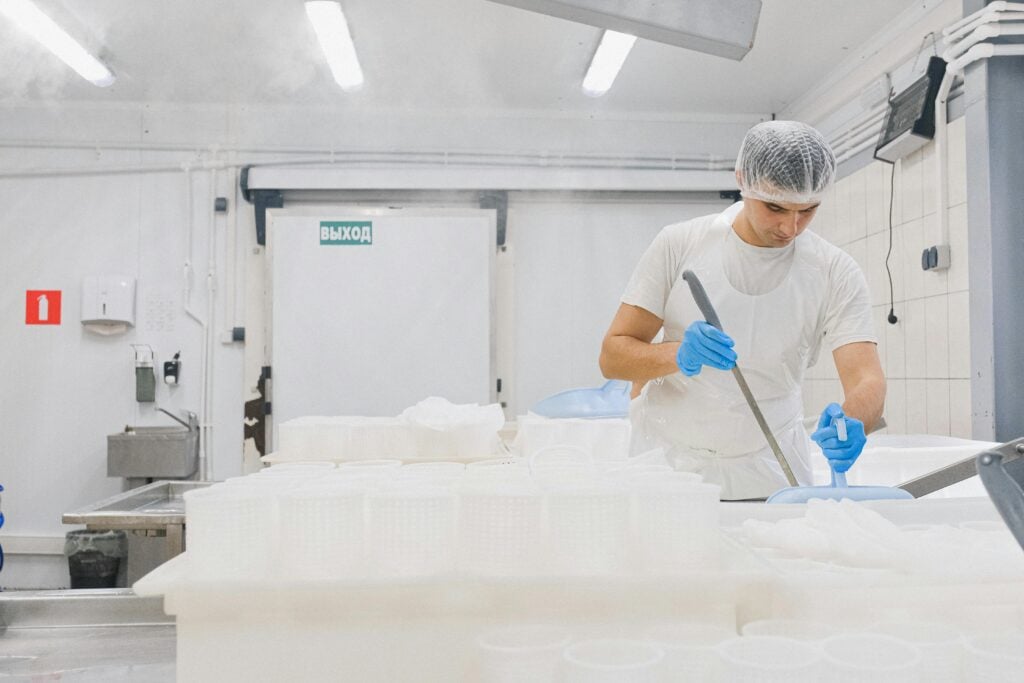

Maintaining high standards of food plant sanitation and adhering to hygiene compliance protocols are foundational to ensuring safe food production environments. In this post, we explore effective cleaning practices, the importance of sanitation programs, and how to navigate regulatory requirements to sustain food safety.
Introduction to Food Plant Sanitation
Food processing facilities are complex environments that require meticulous attention to cleaning and sanitation. Proper sanitation not only prevents contamination but also extends the lifespan of equipment and ensures compliance with food safety standards such as Fayette Contract Sanitation Services and other industry leaders like GDI and Ecolab.
Key Elements of Food Plant Sanitation
- Cleaning and Sanitizing Procedures: Distinguishing between cleaning (removing dirt and debris) and sanitizing (reducing microbial load) is critical. Implementing effective cleaning protocols is essential for food safety.
- HACCP Implementation: The Hazard Analysis Critical Control Point (HACCP) system guides sanitation efforts by identifying risk points and establishing control measures. More about HACCP can be found on Fayette’s HACCP resources.
- Employee Training: Well-trained staff ensure that sanitation standards are consistently met, reducing hazards and non-compliance risks.
Best Practices for Food Processing Facility Cleaning
Routine Cleaning Schedule
Establish a frequent and documented cleaning schedule focusing on high-touch surfaces, equipment, and floors. Use approved cleaning agents that are compatible with food processing environments.
Use of Approved Sanitation Products
Select sanitation products that meet regulatory standards and are suitable for food contact surfaces. Companies like Jan-Pro or Pro Cleaning Solutions offer specialized products and services for food facilities.
Water Temperature and Chemical Efficacy
Maintain optimal water temperature and chemical concentration levels to ensure effective sanitization without compromising food safety standards.
Navigating Food Safety Regulations
Food plants must comply with local and international food safety standards, including those outlined by the FDA and USDA. Regular audits and documentation verify adherence to principles such as the HACCP plan, which is vital during inspections.
Choosing a Sanitation Service Provider
Partnering with experienced contract sanitation companies can streamline sanitation processes and ensure compliance. Consider providers like Fayette Contract Sanitation Services, Janitorial, or GDI who specialize in food industry sanitation.
Conclusion
Effective sanitation in food processing environments is integral to preventing contamination, ensuring compliance, and safeguarding consumers. Adhering to best practices, leveraging the right sanitation products, and partnering with reputable service providers help maintain the highest standards of food safety.
For further guidance, manufacturers and plant managers can explore resources from Fayette Contract Sanitation and other industry leaders dedicated to supporting food plant sanitation and compliance.