Introduction
In the highly regulated food processing industry, maintaining impeccable sanitation standards is vital for ensuring food safety and compliance with HACCP protocols. Proper sanitation not only prevents contamination but also enhances the overall quality of food products. This article explores effective food plant sanitation methods and highlights reliable sanitation service providers dedicated to supporting food safety compliance.
The Importance of Food Plant Sanitation
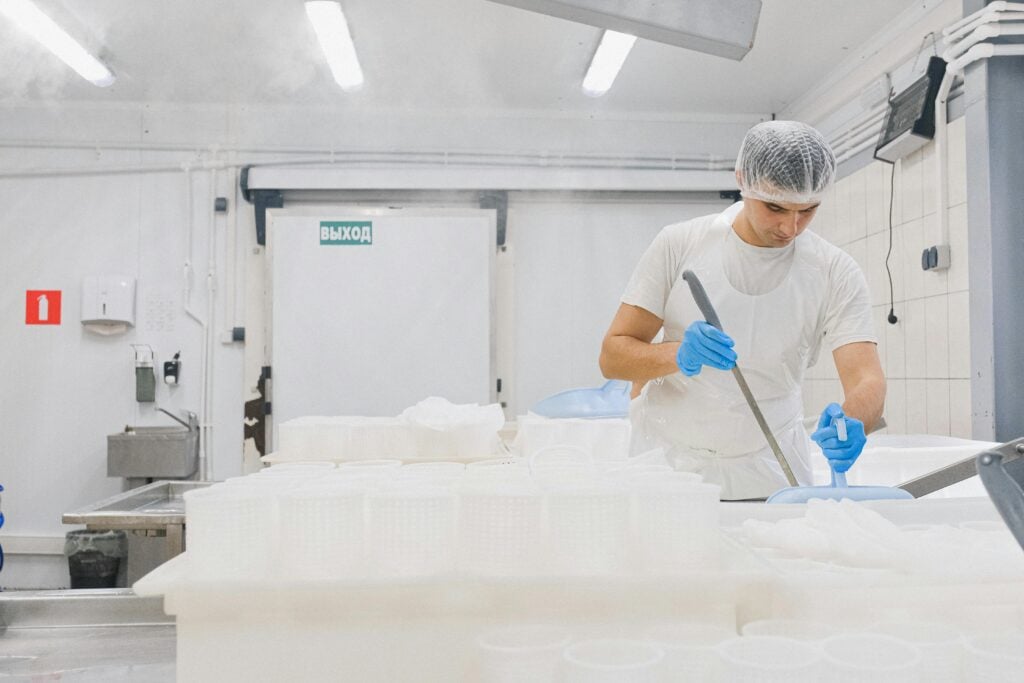
Food processing facilities are susceptible to microbial proliferation due to complex machinery, high moisture levels, and raw ingredients. Effective sanitation routines eliminate bacteria, viruses, and other pathogens, preventing cross-contamination and spoilage. Furthermore, consistent sanitation practices are critical for meeting regulatory requirements and passing food safety audits.
Key Components of Food Plant Sanitation
1. Routine Cleaning and Sanitization
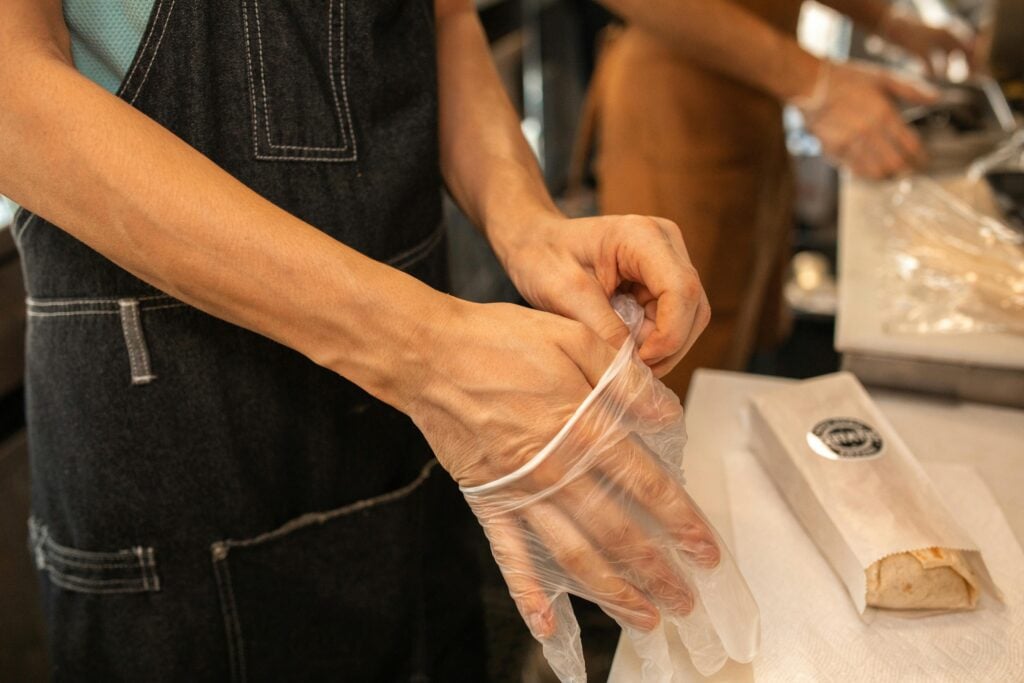
- Use of EPA-registered disinfectants tailored for food industry applications
- Regular cleaning schedules for machinery, work surfaces, and storage areas
- Proper training for sanitation staff
2. Wet Cleaning Techniques
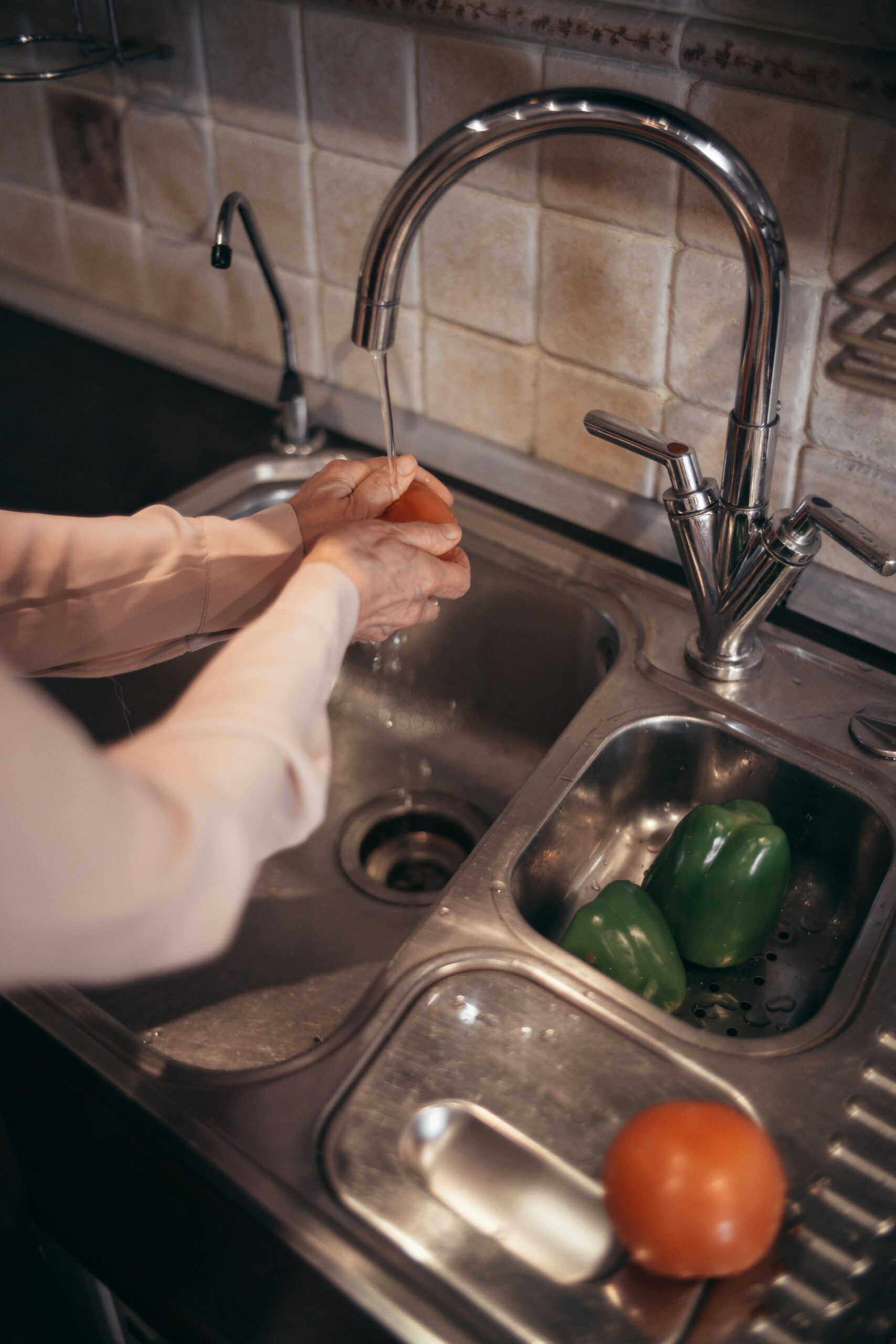
Wet cleaning involves using water and detergents to remove residues and biofilms, which are common sources of microbial harborages. This method is especially effective for equipment with hard-to-reach areas.
3. HACCP and Food Safety Protocols
Implementing HACCP (Hazard Analysis and Critical Control Points) ensures that sanitation procedures align with food safety goals. Regular evaluation of sanitation practices helps identify potential hazards and implement corrective actions.
Choosing a Sanitation Service Provider
Partnering with reputable sanitation companies can significantly streamline your sanitation process. Look for providers that offer environmentally friendly cleaning agents, trained personnel, and tailored sanitation plans.
- Fayette Contract Sanitation Services offers tailored solutions for food processing facilities dedicated to maintaining high sanitation standards.
- Janiking specializes in industrial cleaning solutions that adhere to food safety regulations.
- Jan-Pro provides comprehensive sanitation services with a focus on food industry compliance.
Best Practices for Enhanced Food Safety
1. Regular Training and Certification
Ensure sanitation staff are regularly trained on cleaning procedures and food safety standards such as HACCP.
2. Documentation and Record Keeping
Maintain detailed records of sanitation activities to facilitate audit preparation and continuous improvement.
3. Monitoring and Verification
Utilize ATP testing and microbial swabs to verify sanitation effectiveness regularly.
Conclusion
Adopting advanced food plant sanitation practices is essential for safeguarding food safety and ensuring regulatory compliance. Collaborating with experienced sanitation service providers can make a significant difference in maintaining a hygienic processing environment. Consistent, thorough sanitation routines, coupled with proper staff training, form the backbone of a successful food safety program.