Understanding Food Industry Sanitation and Cleaning
Maintaining a high standard of sanitation and cleaning in food processing facilities is critical for ensuring food safety and regulatory compliance. Proper sanitation not only prevents cross-contamination but also enhances overall operational efficiency. The key to success lies in understanding the nuances between cleaning, sanitizing, and disinfecting, as well as implementing effective strategies tailored for food industry requirements.
Core Components of Food Plant Sanitation
Cleaning vs. Sanitizing: What’s the Difference?
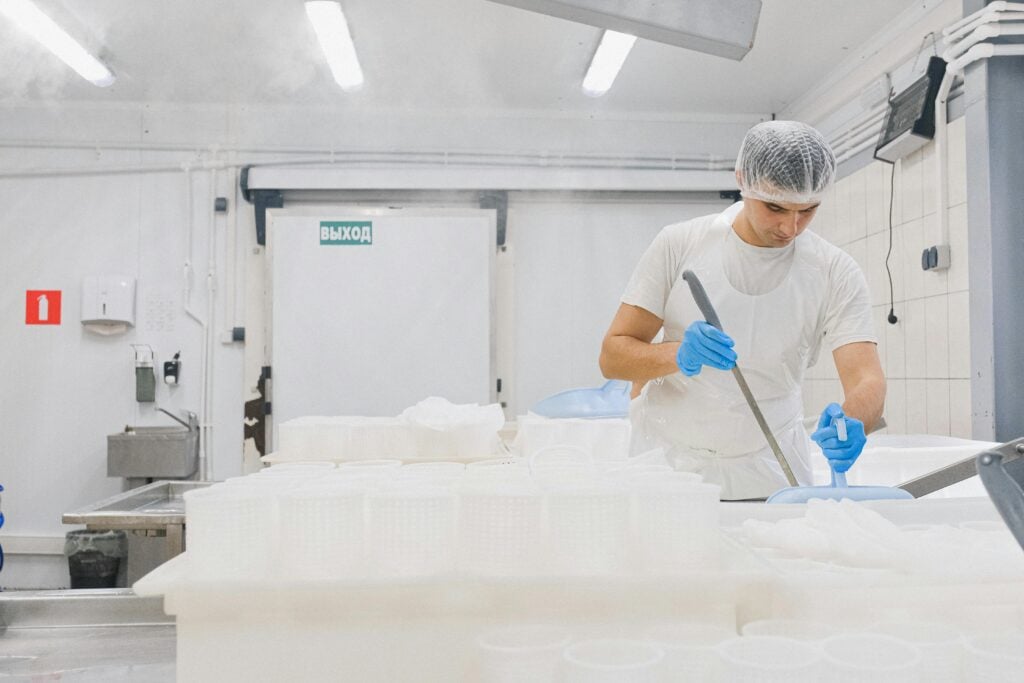
While often used interchangeably, cleaning involves removing dirt, debris, and food residues from surfaces, typically using detergents and water. Sanitizing reduces the number of harmful bacteria to safe levels, a vital step in food processing environments.
Importance of HACCP Compliance
The Hazard Analysis and Critical Control Points (HACCP) system is the backbone of food safety management. Implementing HACCP ensures that sanitation practices are aligned with safety standards, helping prevent microbial contamination and spoilage.
Effective Sanitization Strategies
- Develop a comprehensive sanitation plan tailored to your facility’s operations.
- Choose appropriate cleaning and sanitizing agents approved for food contact surfaces.
- Train staff in proper cleaning procedures and the correct use of sanitizers.
- Leverage technology such as wet cleaning systems for efficient and uniform sanitation.
- Routine audits and inspections help ensure ongoing compliance and identify areas for improvement.
Equipment and Surface Considerations
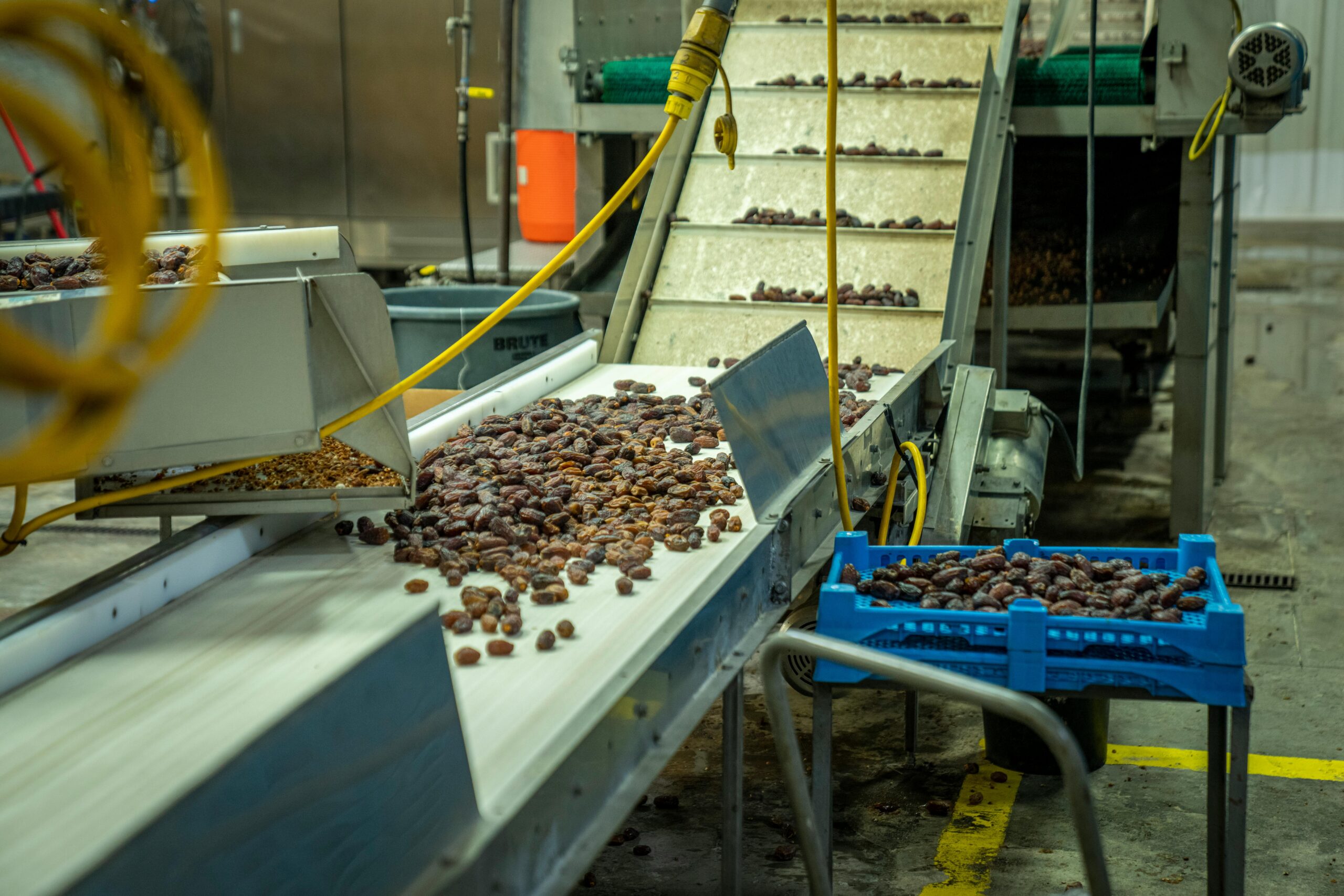
Cleaning and sanitizing are essential for various equipment and surfaces used in food processing. Proper protocols should be established for conveyors, machines, containers, and floors.
Partnering with Sanitation Service Providers
Engaging specialized contract sanitation companies can significantly enhance sanitation efforts. Companies such as Fayette Contract Sanitation Services, Janiking, and Jan-Pro offer tailored solutions that adhere to industry standards, promoting food safety and operational continuity.
Maintaining Food Safety and Compliance
Regular cleaning, sanitization, and documentation are essential for passing food safety audits. Creating a culture of cleanliness within your organization ensures consistent compliance and guards against contamination risks.
Conclusion
Effective sanitation practices are vital for securing food safety and maintaining compliance in food processing plants. By understanding the critical differences between cleaning, sanitizing, and disinfecting, implementing science-backed procedures, and partnering with reputable sanitation providers, food processors can sustain a safe and efficient environment.
For tailored sanitation solutions, consider reaching out to Fayette Contract Sanitation Services or other trusted providers to support your food safety objectives.