Introduction to Food Plant Sanitation
Maintaining impeccable sanitation standards in food processing plants is crucial for ensuring food safety, regulatory compliance, and operational efficiency. Industry-specific cleaning protocols tailored to the unique environment of food facilities help prevent contamination and safeguard consumer health.
The Importance of Food Plant Sanitation
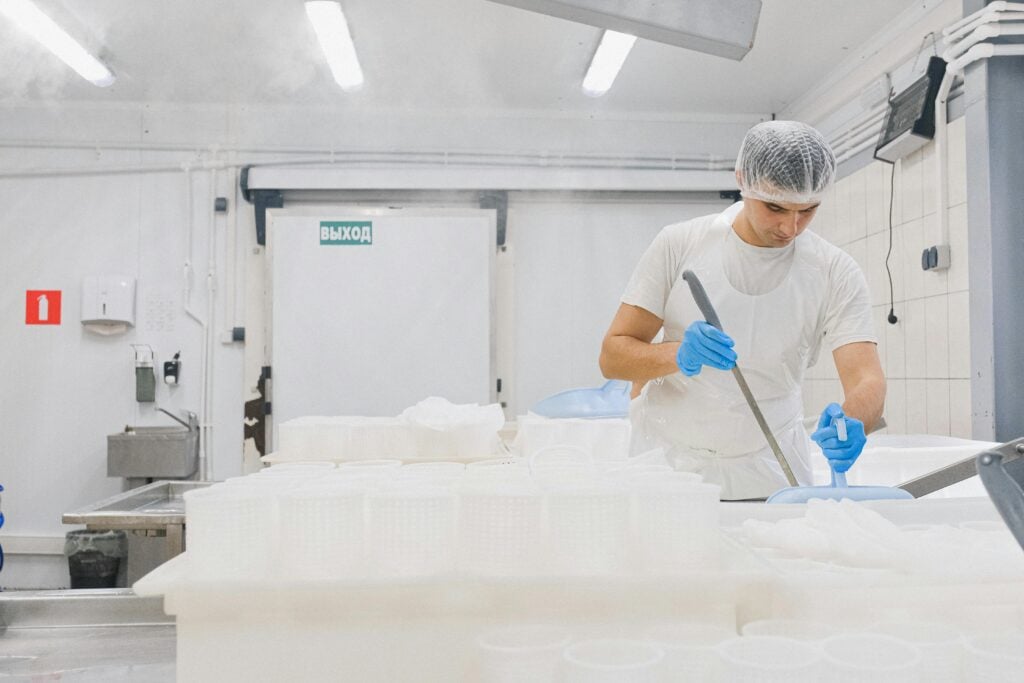
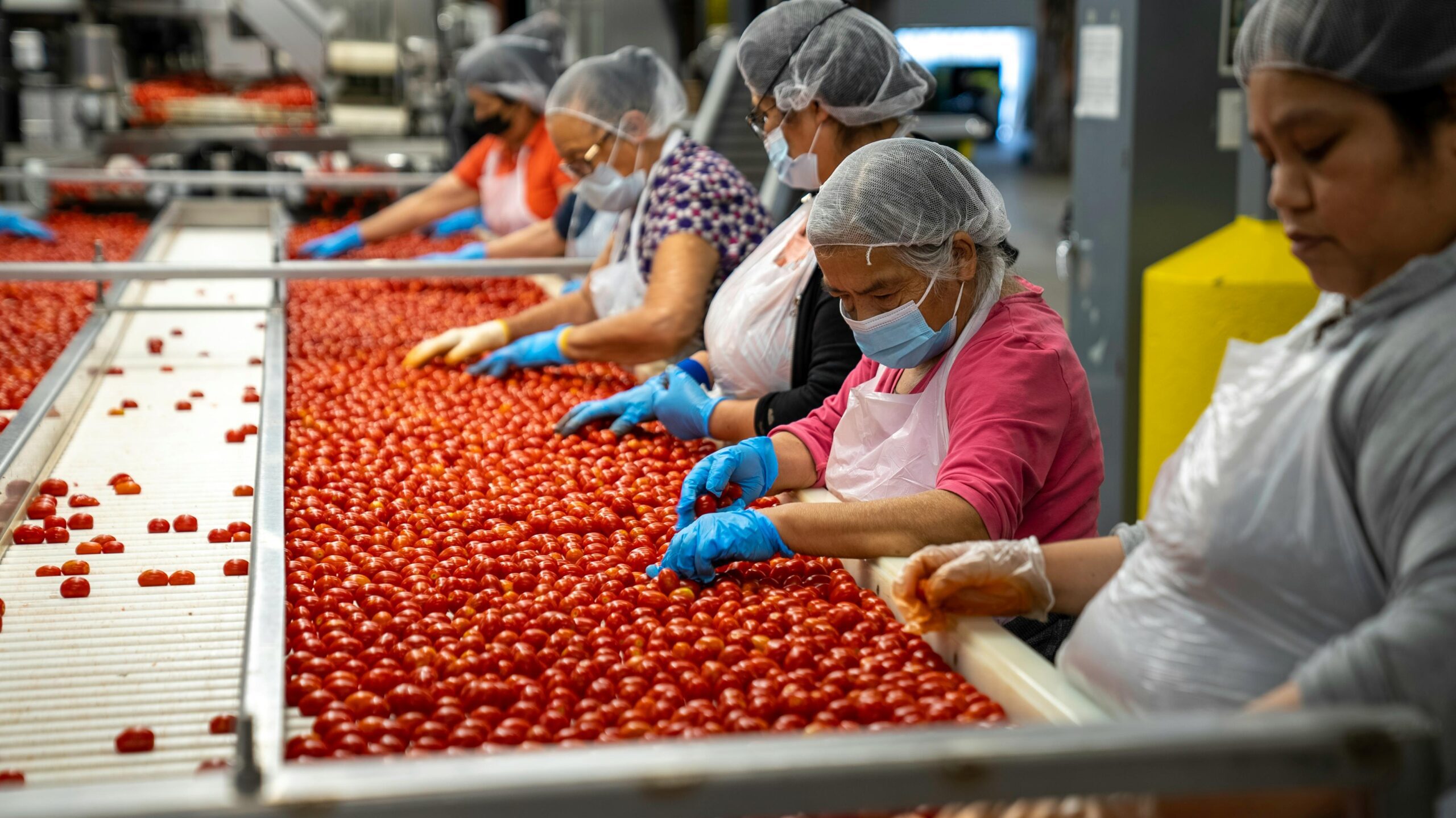
Food sanitation encompasses a wide range of practices designed to eliminate bacteria, debris, and other hazards from processing equipment and facility surfaces. Proper sanitation not only meets Fayette Contract Sanitation Services‘ standards but also helps food companies pass rigorous food safety audits.
Effective Cleaning in the Food Industry
Distinctive Challenges
- Presence of food residues and greases
- Complex machinery requiring specialized cleaning methods
- Regulatory compliance with HACCP and other standards
Cleaning Techniques
- Wet Cleaning: Utilizes water-based solutions to thoroughly remove residues
- Automatic Cleaning Systems: Ensure consistent sanitation while reducing labor costs
Sanitation and Disinfection in Food Facilities
Sanitization in food plants involves the use of chemical agents to reduce microbial populations on surfaces to safe levels. The difference between sanitizing and disinfecting primarily concerns the spectrum of microorganisms targeted, with disinfectants typically being more potent against pathogens.
Key Steps in a Sanitization Process
- Pre-clean surfaces to remove visible debris
- Apply appropriate chemical sanitizers, following manufacturer instructions
- Allow adequate contact time for effective microbial kill
- Rinse or wipe surfaces if required
Implementing HACCP in Food Processing Plants
The HACCP (Hazard Analysis and Critical Control Points) system is a preventative approach to food safety. It ensures hazards are identified and controlled at critical points to prevent contamination, making sanitation measures more effective.
Choosing the Right Sanitation Partner
Partnering with experienced sanitation service providers such as Fayette Contract Sanitation Services or other industry leaders like Janiking or Jan-Pro provides access to advanced cleaning technologies, trained personnel, and compliance assurance. Successful sanitation programs integrate chemical solutions, proper equipment, and trained staff to meet industry standards.
Sanitation Service Providers
Conclusion
Effective sanitation is the backbone of food safety in processing facilities. Combining industry-specific cleaning practices with robust sanitation protocols ensures tough regulatory compliance and high-quality, safe food products for consumers. Regular audits, employee training, and strategic partnerships with reputable sanitation providers will help maintain optimal food plant sanitation standards.
For more information on sanitation services and best practices, visit Fayette Contract Sanitation Services.