Understanding the Critical Role of Food Plant Sanitation in Food Safety and Compliance
Maintaining impeccable sanitation practices in food processing facilities is crucial for ensuring product safety, meeting regulatory requirements, and safeguarding public health. This comprehensive guide explores the latest methods, compliance standards, and industry best practices for effective food plant sanitation.
Why Food Sanitation is Essential in the Food Industry
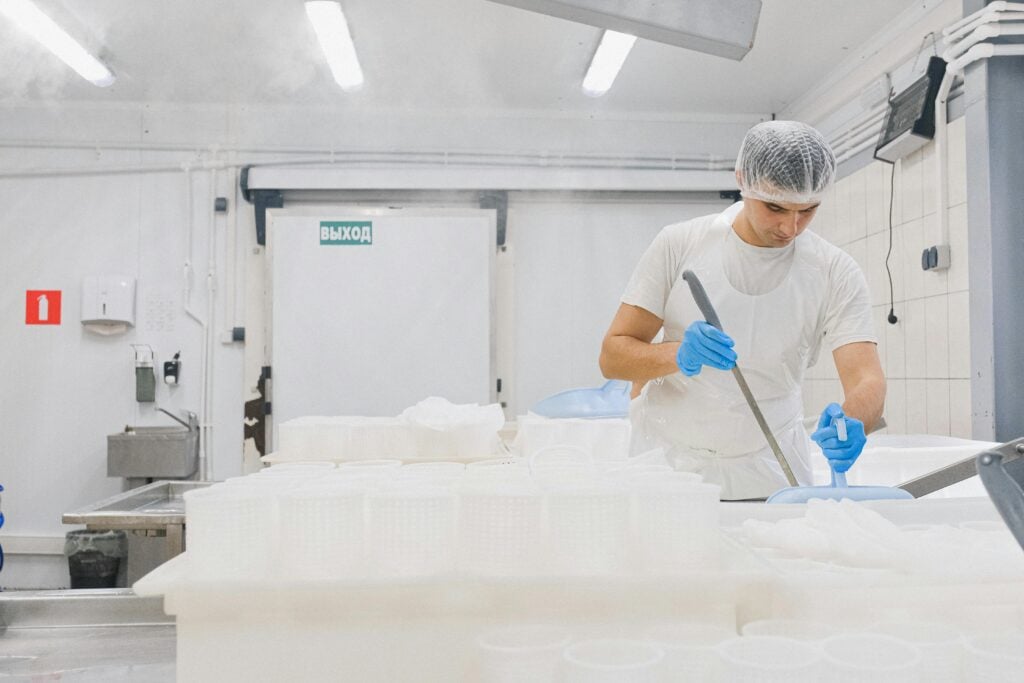
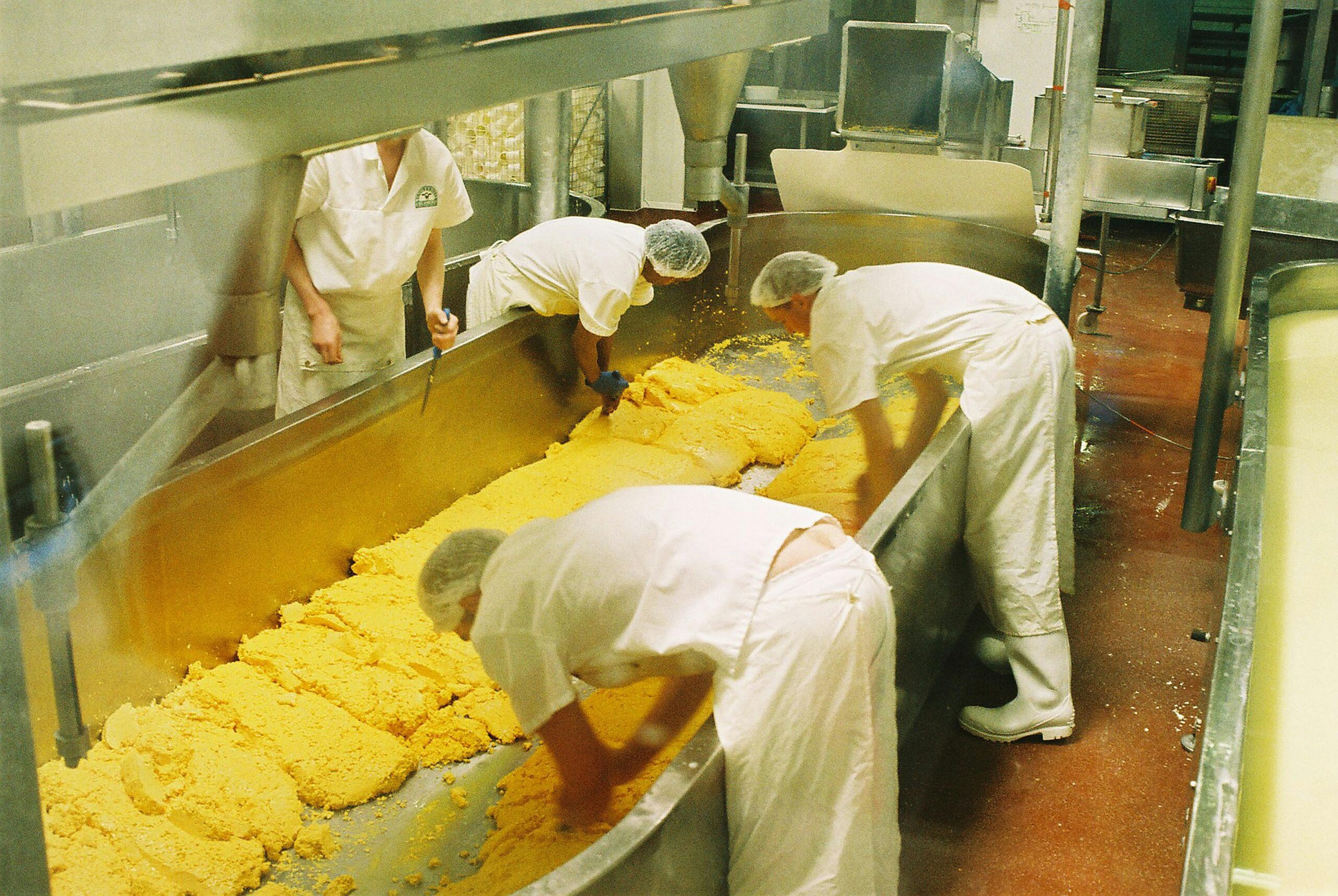
The food processing sector faces strict regulations to prevent contamination, bacterial growth, and cross-contact. Implementing rigorous sanitation protocols not only complies with industry standards but also minimizes the risk of costly recalls and reputational damage.
Key Components of Food Plant Sanitation
- Cleaning in Food Industry: Removing dirt, debris, and residues from surfaces using approved cleaning agents.
- Sanitization: Applying sanitizers to reduce microbial presence to safe levels.
- Disinfection: Using disinfectants to eliminate bacteria, viruses, and fungi.
Best Practices for Effective Food Facility Cleaning and Sanitization
Implementing a HACCP System
The Hazard Analysis Critical Control Point (HACCP) system is fundamental in identifying risks and establishing critical control points. Proper sanitation starts with diligent monitoring and documentation.
Wet Cleaning Techniques
Utilizing wet cleaning methods helps in removing stubborn residues and biofilms, especially in hard-to-reach areas. It’s essential for facilities processing raw food products.
Choosing the Right Sanitation Service Providers
Partnering with reputable sanitation companies ensures compliance and reduces turnaround time. Notable providers include Fayette Contract Sanitation Services, Janiking, and Ecolab.
Regulatory Compliance and Food Safety Audits
Adherence to local and international standards such as FSMA (Food Safety Modernization Act) and Global Food Safety Initiative (GFSI) is mandatory. Regular audits help in identifying gaps and maintaining high sanitation standards.
Case Study: Successful Food Plant Sanitation Program
A leading food processing plant implemented a comprehensive sanitation plan involving daily cleaning, weekly deep cleaning, and rigorous staff training. As a result, they achieved zero recontamination incidents over 12 months, demonstrating the effectiveness of strategic sanitation management.
Additional Resources and Industry Solutions
If you’re looking to improve your facility’s sanitation protocol, consider working with experienced providers such as:
Final Thoughts
Effective sanitation in food processing environments is a continuous process that demands commitment, proper training, and the right partnerships. Ensuring compliance with industry standards not only safeguards consumer health but also enhances your brand integrity and operational efficiency.