
Introduction to Food Plant Sanitation and Food Safety
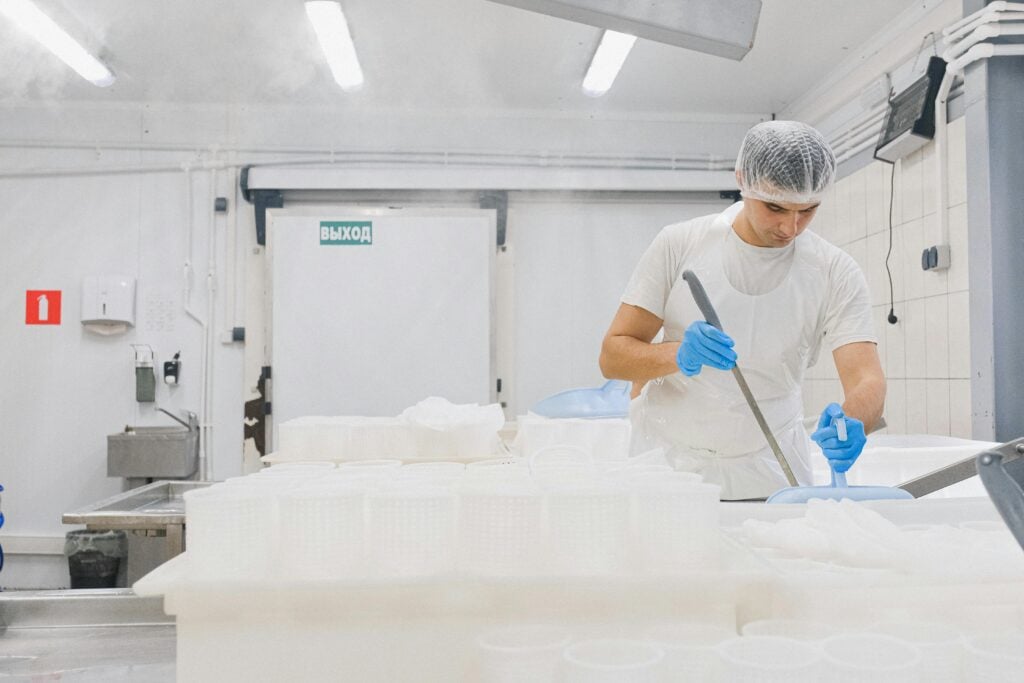
In today’s competitive food industry landscape, maintaining impeccable sanitation standards is crucial for meeting food safety regulations and ensuring consumer health. Food plant sanitation encompasses a comprehensive approach that integrates cleaning protocols, sanitation procedures, and compliance with industry standards.
Understanding the Importance of Sanitation in Food Processing
Effective sanitation in food processing plants is vital to prevent the spread of microbial contamination, reduce spoilage, and uphold quality standards. Regulatory bodies such as the FDA and USDA emphasize strict adherence to sanitation procedures to prevent foodborne illnesses.
Key Components of a Successful Food Plant Sanitation Program
1. Regular and Thorough Cleaning
- Removal of dirt, debris, and food residues through wet cleaning techniques.
- Utilization of appropriate cleaning agents and brushes to dislodge contaminants.
2. Effective Sanitization Procedures
- Application of sanitizers like chlorine or quaternary ammonium compounds post-cleaning.
- Adherence to contact times and proper dilution ratios.
3. Compliance with HACCP Guidelines
Implementing Hazard Analysis and Critical Control Points (HACCP) plans helps identify sanitation critical points, ensuring contamination risks are minimized in food processing.
Best Practices in Food Plant Sanitation
Routine Maintenance and Cleaning
Establish a cleaning schedule that covers all areas, including equipment, floors, and walls.
Training and Certification
Ensure sanitation staff are trained in proper procedures, proper chemical handling, and safety protocols.
Use of Approved Cleaning and Sanitizing Agents
Choose agents compliant with FDA and USDA guidelines to ensure safety and effectiveness.
Technological Innovations in Food Sanitation
Modern sanitation technologies such as fogging, UV-C sanitation, and electrostatic spraying enhance efficiency and coverage, reducing manual labor and human error.
Partnering with Top Food Plant Sanitation Service Providers
For reliable sanitation services, consider partnering with experienced companies such as Fayette Contract Sanitation Services, Jani-King, and Hydrite. These providers offer specialized sanitation solutions tailored for food processing facilities.
Conclusion
Maintaining high standards of sanitation is essential for food processing companies to meet regulatory requirements, prevent microbial contamination, and deliver safe, quality products. Adopting comprehensive sanitation protocols, leveraging technological advancements, and partnering with reputable sanitation service providers form the cornerstone of effective food plant sanitation management.
Visit Fayette Contract Sanitation Services for tailored sanitation solutions designed specifically for the food industry.