Introduction to Food Plant Sanitation and Industry Standards
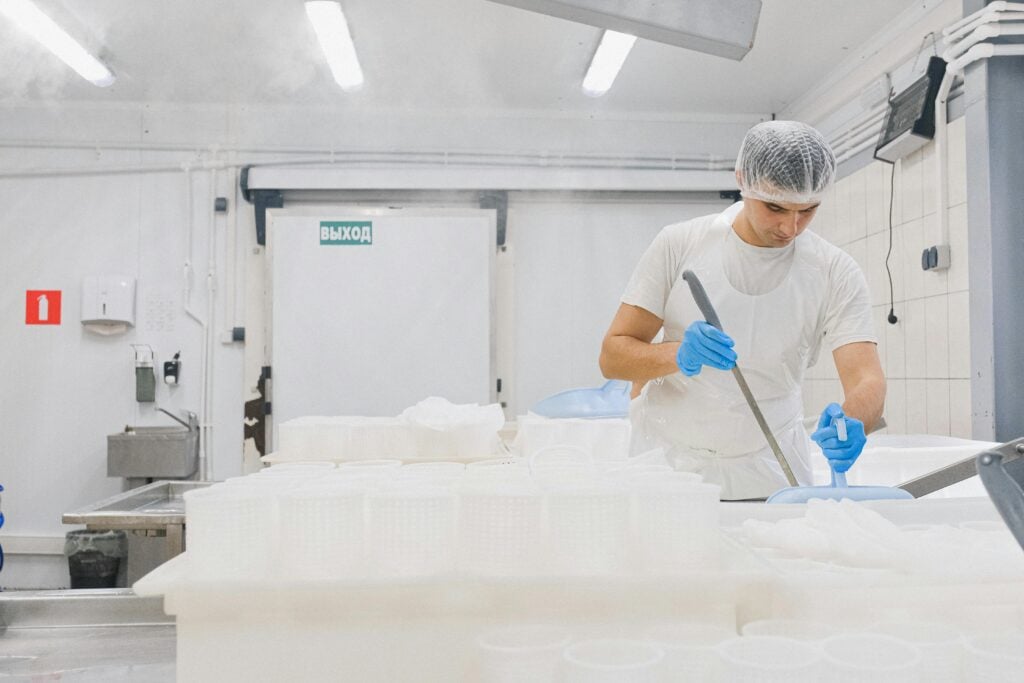
Maintaining impeccable sanitation standards in food processing facilities is crucial for ensuring food safety, compliance with regulations, and operational efficiency. Proper sanitation not only prevents contamination but also promotes a culture of cleanliness that permeates every aspect of food manufacturing.
Understanding Food Plant Sanitation Services
Food plant sanitation services encompass a wide range of practices designed to eliminate bacteria, dirt, and other contaminants from equipment, surfaces, and the environment. These services include:
- Routine cleaning and disinfecting schedules
- Deep cleaning and product-specific sanitation procedures
- Environmental sanitation assessments
- Documentation and compliance verification
The Role of Industry Best Practices in Food Facility Cleaning
Implementing Effective Cleaning Protocols
- Use of Food-Grade Sanitizers: Select sanitizers approved for food contact surfaces to ensure safety and adherence to regulations.
- Regular Training: Educate staff on cleaning procedures, proper use of cleaning agents, and safety measures.
- Scheduling and Record-Keeping: Maintain thorough records to demonstrate compliance with HACCP and other standards.
Adopting Wet Cleaning Techniques
Wet cleaning involves the use of water, detergents, and sanitizers to thoroughly remove residues and microbial contaminants. This method is essential for:
- Cleaning complex machinery
- Eliminating stubborn dirt
- Reducing microbial load effectively
Achieving Compliance with Food Safety Standards
Adherence to HACCP (Hazard Analysis Critical Control Point) systems and local regulatory requirements is integral to food plant sanitation. Regular audits, sanitation verification, and documentation ensure compliance and continuous improvement.
Selecting the Right Contract Sanitation Companies
Partnership with reliable industry providers can optimize sanitation efforts. Consider consulting companies such as Fayette Contract Sanitation Services, Janitorial companies like Janiking, or GDI for tailored sanitation solutions.
Conclusion
Maintaining clean and sanitized food processing facilities is fundamental to food safety, regulatory compliance, and operational excellence. Implementing industry best practices, investing in regular training, and partnering with reputable sanitation service providers can help ensure your facility meets the highest standards of cleanliness and safety.