Introduction to Sanitation and Cleaning in Food Processing
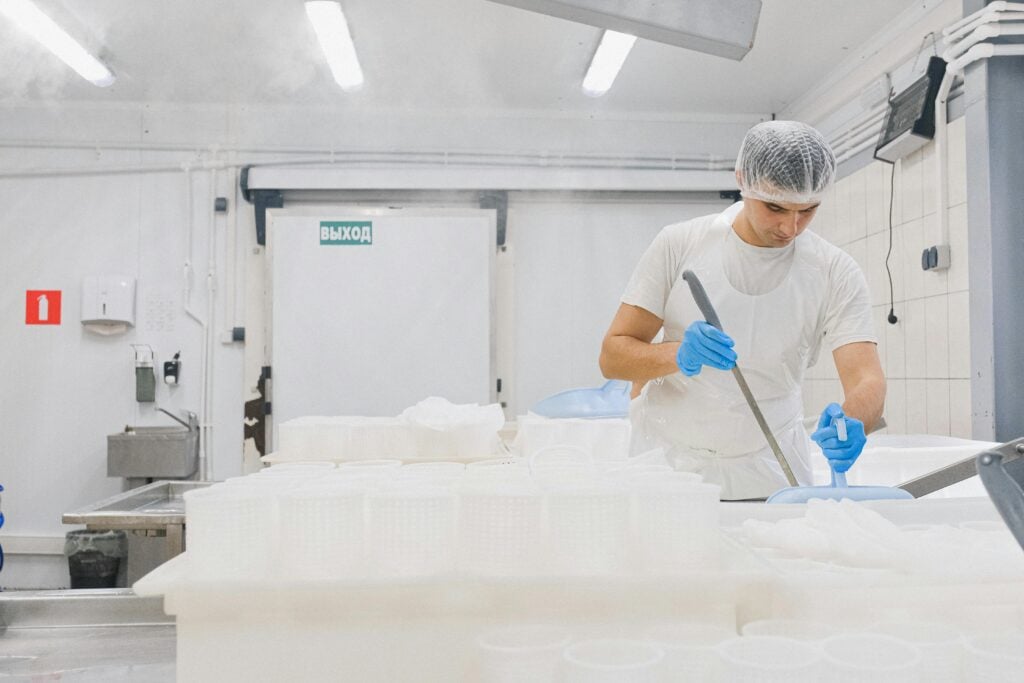
Maintaining proper sanitation and cleaning protocols in food processing plants is crucial to ensure food safety, comply with industry standards, and prevent contamination. Industry-specific sanitation practices contribute significantly to producing safe, high-quality products.
Understanding Key Sanitation Practices
What is Food Plant Sanitation?
Food plant sanitation involves a series of cleaning and disinfecting procedures designed to eliminate bacteria, viruses, and other pathogens from equipment, surfaces, and facilities. It helps reduce the risk of cross-contamination and ensures compliance with regulations.
Importance of Industry-Specific Cleaning Services
- Specialized cleaning solutions tailored for food processing environments
- Adherence to food safety standards including HACCP compliance
- Minimizing downtime through efficient cleaning routines
Strategies for Effective Cleaning and Sanitization
Using Proper Cleaning Agents
Choose cleaning agents that are approved for food industry use, effective in removing organic matter, and capable of breaking down grease and residues. Contractors like Fayette Contract Sanitation Services provide expertise in selecting appropriate products.
Implementing Wet Cleaning Techniques
Wet cleaning is essential for removing soil and biofilms from surfaces. It includes methods like high-pressure washing and steam cleaning to thoroughly sanitize equipment.
Routine and Deep Cleaning Protocols
- Daily cleaning schedules for high-touch surfaces and equipment
- Periodic deep cleans for hard-to-reach areas
- Documentation of cleaning procedures to maintain compliance
Ensuring Food Safety with HACCP
Hazard Analysis and Critical Control Point (HACCP) is a systematic approach to identifying and controlling food safety hazards. Proper sanitation practices are a key component of HACCP implementation.
Steps to Maintain HACCP Compliance
- Identify potential hazards in the cleaning process
- Establish critical control points for sanitation
- Monitor cleaning effectiveness regularly
- Record all sanitation activities for audit readiness
Partnering with Professional Sanitation Service Providers
Partnering with experienced sanitation companies can improve sanitation outcomes and ensure regulatory compliance. Companies such as GDI and Ecolab offer specialized services aligned with food processing needs.
Conclusion
Adopting effective sanitation and cleaning strategies is vital for food processing plants to ensure food safety, meet regulatory standards, and maintain production efficiency. Regular training, proper equipment, and partnership with reputable sanitation service providers like Fayette Contract Sanitation Services can enhance your facility’s sanitation programs.
For more insights on sanitation solutions, visit Fayette Contract Sanitation.