Introduction: The Critical Role of Sanitation and Cleaning in Food Processing
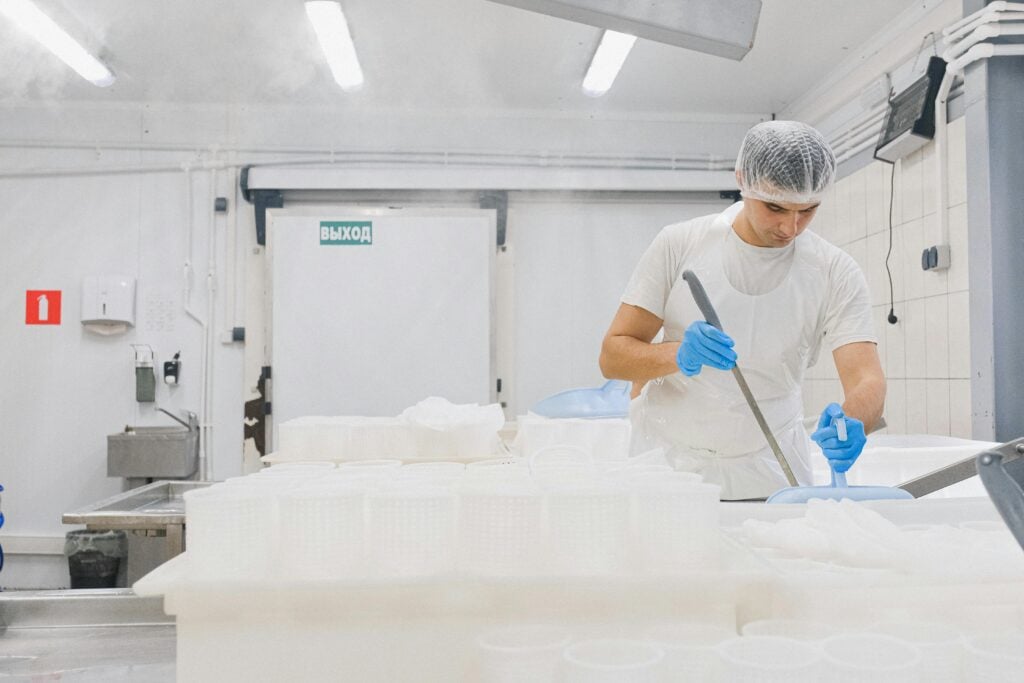
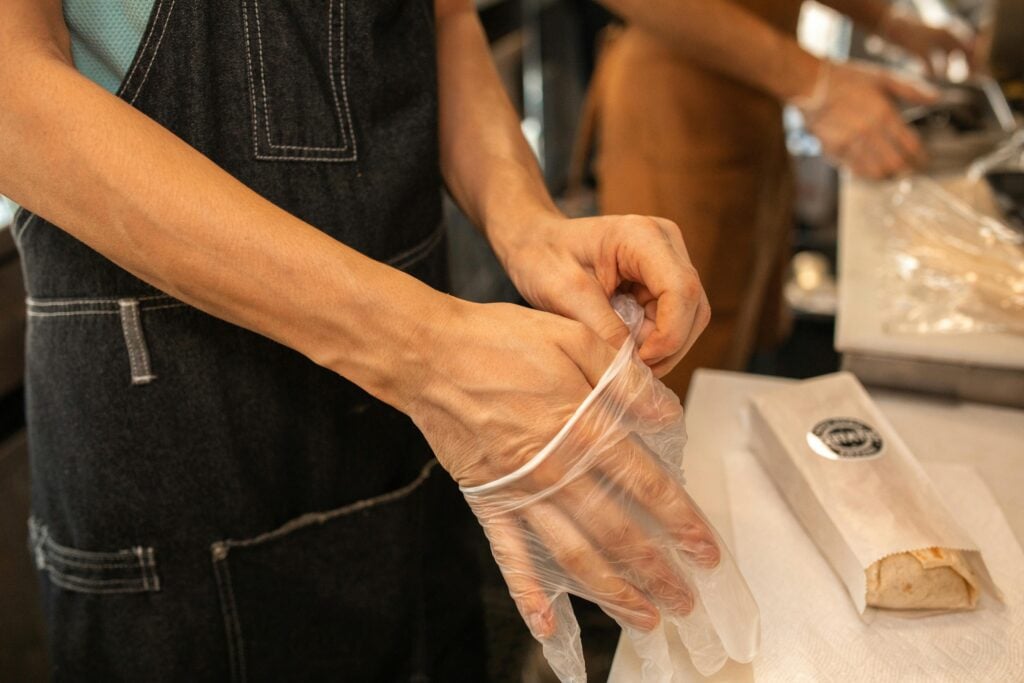
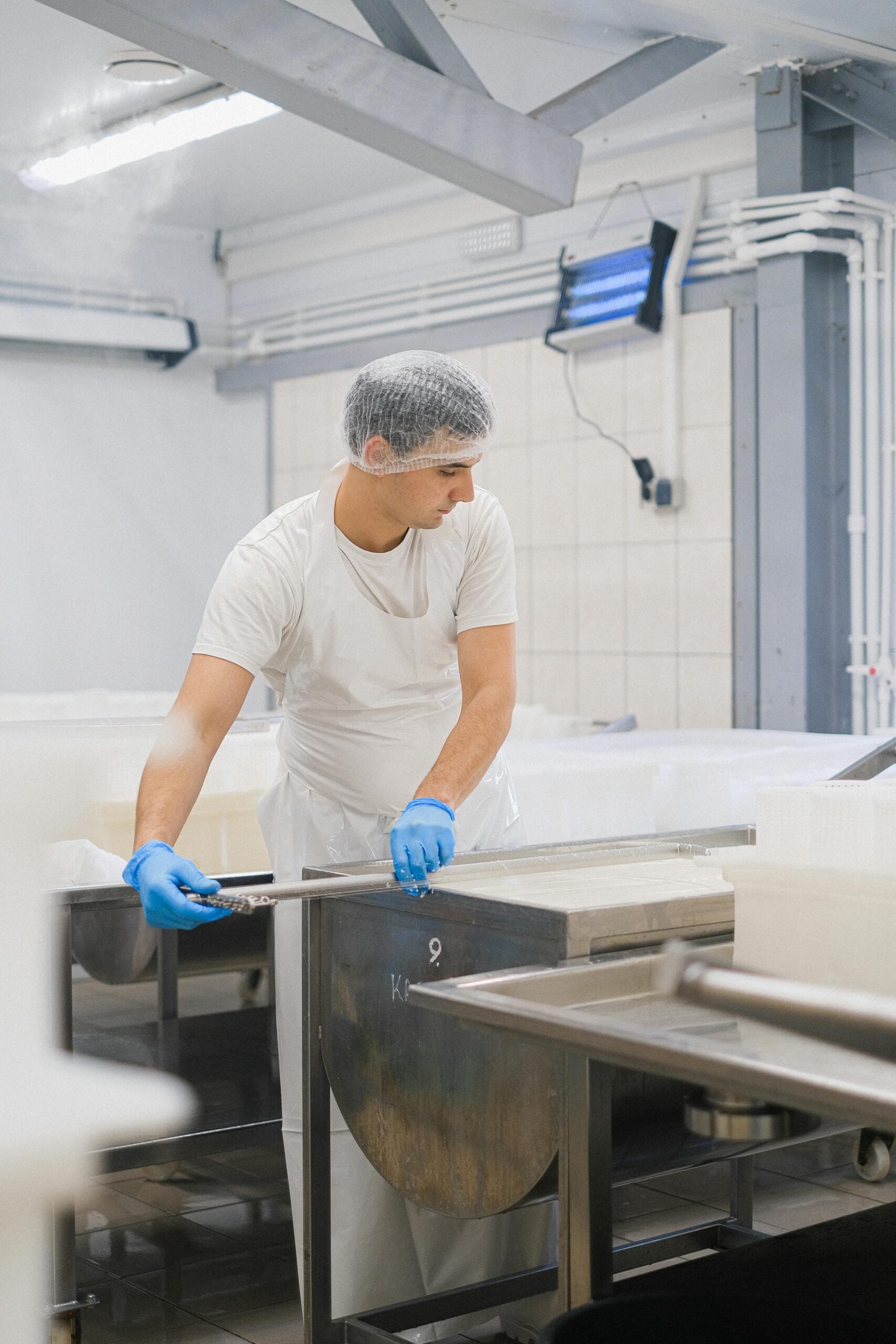
Maintaining impeccable sanitation and cleaning protocols in food processing plants is vital for ensuring food safety and compliance with industry standards. Effective sanitation not only prevents cross-contamination but also guarantees that products are safe for consumer health.
Understanding Industry Standards and Regulations
Food processing facilities are required to adhere to strict HACCP (Hazard Analysis Critical Control Point) systems that specify hygiene practices to minimize risks. Compliance with these standards necessitates diligent sanitation measures supported by innovative cleaning techniques.
Best Practices for Industrial Sanitation in Food Plants
1. Implement Wet Cleaning Strategies
Wet cleaning involves the application of water and approved cleaning agents to remove debris, dirt, and microbial contaminants effectively. This method is fundamental in prepping surfaces for further disinfection.
2. Use of Contract Sanitation Services
Partnering with specialized contract sanitation companies like Fayette Contract Sanitation Services ensures that cleaning operations meet industry standards while optimizing operational efficiency.
3. Regular Food Industry Cleaning and Sanitization
- Scheduled cleaning of processing equipment
- Application of approved disinfectants
- Monitoring sanitation levels through microbiological testing
Innovation in Sanitation Technologies
Emerging technologies such as high-pressure fogging, UV sanitation, and ozone treatment are revolutionizing food plant sanitation. These methods offer comprehensive sterilization while minimizing chemical usage.
Training and Certification
Staff training on cleaning procedures, proper use of sanitation products, and understanding of food safety protocols is crucial. Certifications such as HACCP compliance serve as proof of adherence to hygiene standards.
Additional Resources and Partner Companies
Consider collaborating with reputable companies such as Janiking, Jan-Pro, and Hydrite for comprehensive sanitation solutions tailored to food processing environments.
Conclusion
Optimizing sanitation and cleaning practices in food processing plants is essential for ensuring product safety and regulatory compliance. Leveraging innovative technologies, partnering with trusted sanitation providers, and maintaining a rigorous training program are key steps toward achieving this goal.
Sanitation Service Providers
Besides Fayette Contract Sanitation Services, companies like Janiking and Hydrite offer professional sanitation solutions suitable for food industry needs.