
Introduction to Industrial Sanitation and Food Processing Cleaning
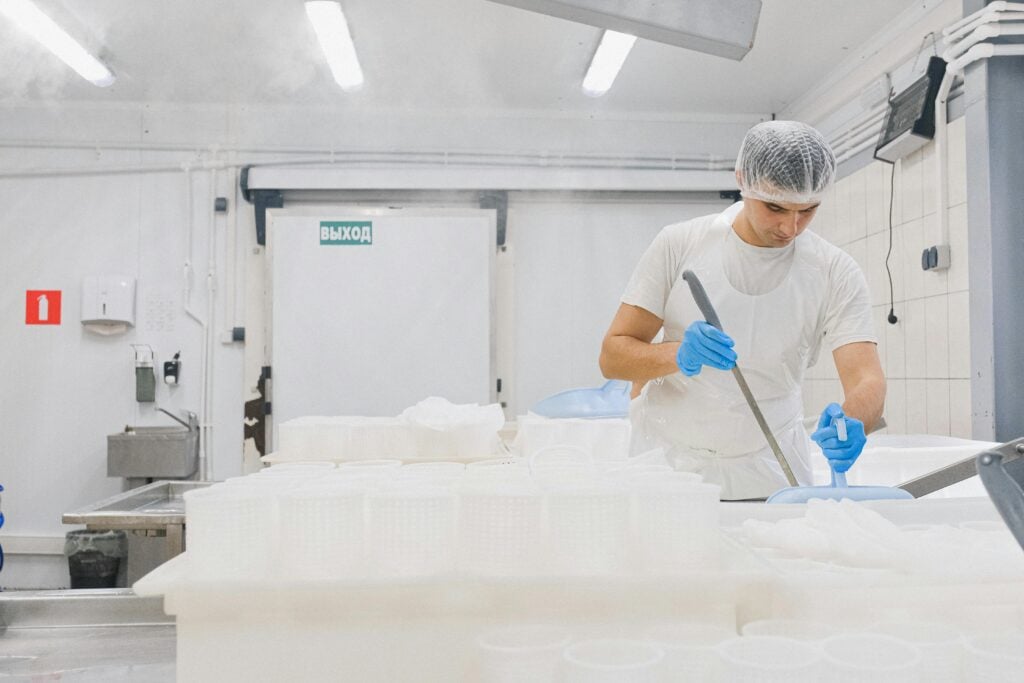
Maintaining strict sanitation standards in food processing environments is critical for preventing contamination, ensuring food safety, and meeting regulatory compliance. Industrial sanitation encompasses comprehensive cleaning protocols designed to eliminate dirt, debris, and microbial presence from food processing facilities.
The Importance of Food Plant Sanitation Services
Food plants operate under rigorous sanitation requirements. Regular cleaning in the food industry helps prevent cross-contamination, extends equipment lifespan, and supports HACCP (Hazard Analysis and Critical Control Points) systems. Employing professional “Fayette Contract Sanitation Services” ensures that sanitation is handled efficiently and effectively, adhering to industry standards.
Core Components of Effective Sanitation Programs
Cleaning in Food Industry
- Removing visible dirt and debris using wet cleaning methods
- Utilizing appropriate detergents and equipment
- Following designated cleaning procedures to ensure uniformity
Sanitization and Disinfection
- Applying sanitation solutions to reduce microbial load
- Understanding the difference between sanitizing and disinfecting
- Using proven disinfectants from reputable suppliers like Ecolab or GDI
Implementing HACCP Systems in Food Facilities
HACCP plans focus on identifying critical points where contamination risks are highest and implementing control measures. Proper sanitation is fundamental to HACCP compliance, reducing the risk of Salmonella, Listeria, and other pathogens. Regular audits and documentation help maintain high standards and facilitate continuous improvements.
Advanced Techniques & Technologies in Food Industry Sanitation
Wet Cleaning
This method employs water combined with approved cleaning agents to remove soils effectively. It is vital in areas requiring thorough cleaning, such as conveyor belts and processing tanks.
Dry and Foam Cleaning
Complementary methods used on equipment that cannot be wetted directly, helping to reach hard-to-access surfaces.
Choosing the Right Sanitation Service Provider
Partnerships with established sanitation companies like Fayette, Janitorial King, or Jan-Pro can ensure effective sanitation. These providers offer tailored services that comply with industry standards, support regulatory audits, and help maintain optimal hygiene levels.
Compliance and Industry Standards
Adhering to food safety regulations, such as the FDA’s Food Safety Modernization Act (FSMA) and USDA standards, is non-negotiable. Routine cleaning and sanitation form a cornerstone of compliance strategies, reducing the risk of recalls and penalties.
Conclusion
Effective industrial sanitation combined with specialized food processing cleaning services helps food manufacturers achieve exceptional hygiene standards. Regular, professionally executed cleaning and sanitation programs support food safety, extend equipment life, and uphold regulatory compliance. By partnering with experienced sanitation providers, facilities can ensure a hygienic environment conducive to safe food production.