Introduction to Industrial and Food Plant Sanitation
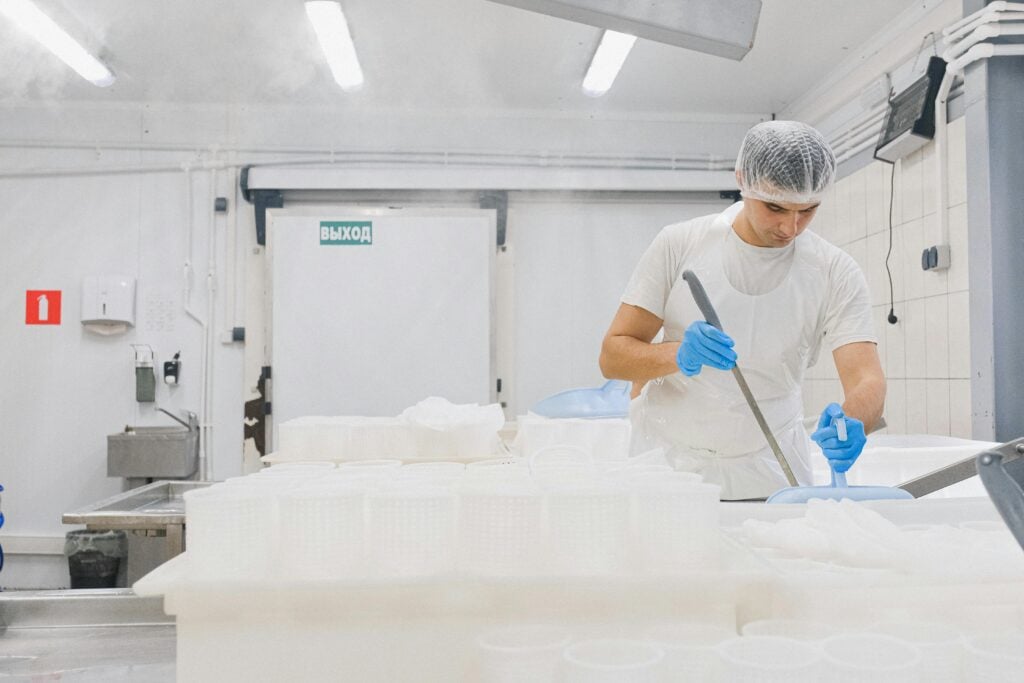
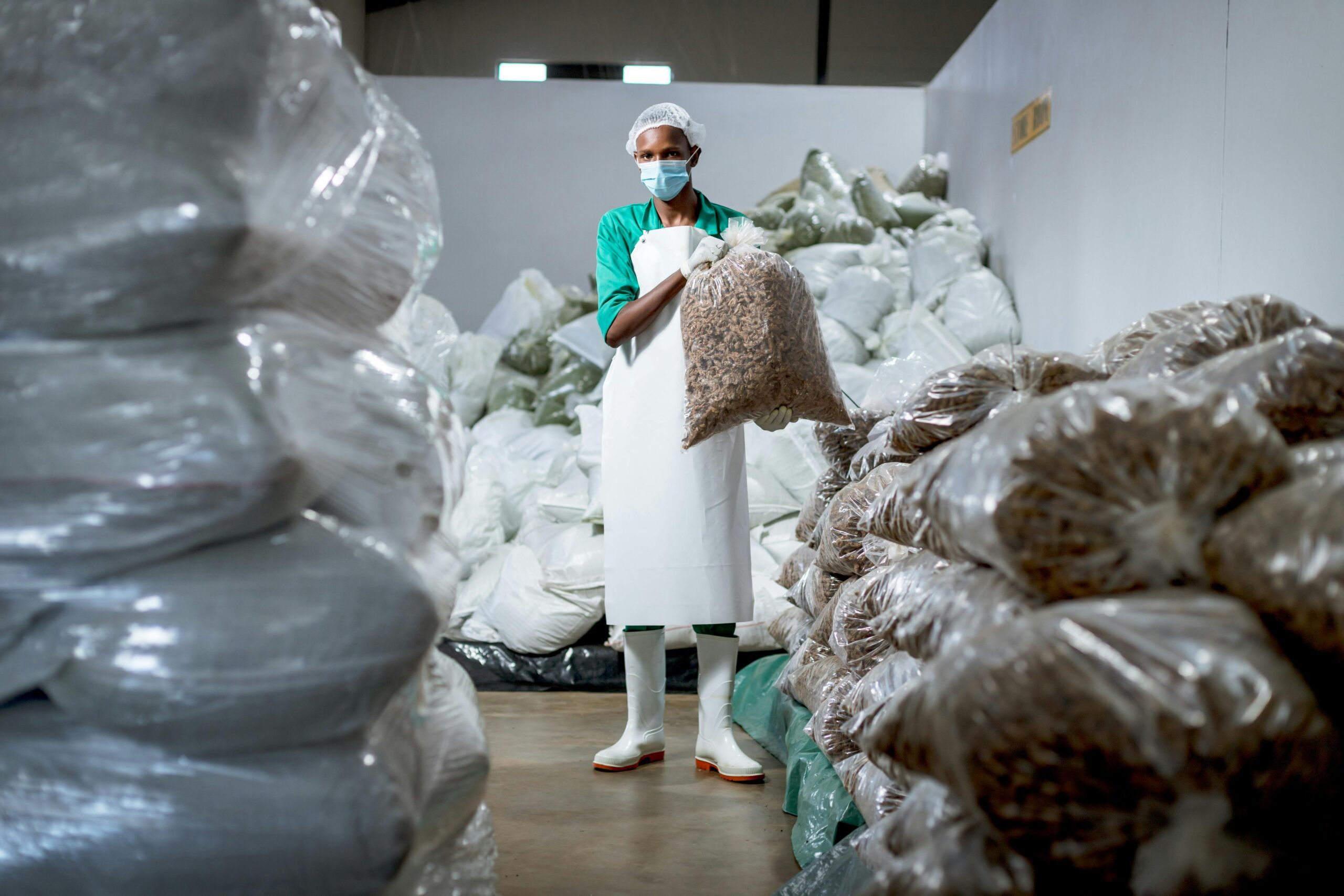
Effective sanitation in food processing plants is vital for ensuring food safety, compliance with industry regulations, and maintaining a hygienic workspace. Proper cleaning and sanitation procedures prevent cross-contamination, spoilage, and product recalls, safeguarding consumers and protecting brand reputation.
Understanding the Importance of Food Plant Sanitation
Food processing facilities handle raw ingredients and finished products that are highly susceptible to microbial contamination. Industrial sanitation involves specialized cleaning strategies tailored to the unique needs of food environments. Regular and thorough sanitation helps meet industry standards such as the Hazard Analysis and Critical Control Points (HACCP) system, which is essential for food safety management.
Key Components of Food Plant Sanitation
1. Cleaning Procedures
- Remove food debris, grease, and soil using effective cleaning agents.
- Implement wet cleaning methods for better soil removal, especially on large surfaces.
- Ensure proper cleaning of hard-to-reach areas like pipe joints and equipment interiors.
2. Sanitizing Techniques
- Use approved sanitizers to reduce microbial presence after cleaning.
- Follow manufacturer instructions for sanitation solutions to ensure effectiveness.
- Monitor sanitizing process with microbiological testing for compliance.
3. Equipment and Facility Maintenance
- Regularly inspect and maintain machinery to prevent buildup of soil and microbes.
- Implement schedules for deep cleaning and preventative maintenance.
Implementing Effective Sanitation Programs
Develop an integrated sanitation plan that includes:
- Standard Operating Procedures (SOPs)
- Staff training on cleaning and sanitation best practices
- Record-keeping and regular audits
- Validation and verification procedures to ensure compliance and effectiveness.
Choosing the Right Sanitation Service Providers
Partnering with experienced sanitation companies can simplify compliance and improve outcomes. Reputable providers like Fayette Contract Sanitation Services, Janiking, and Hydrite offer specialized cleaning solutions tailored for food processing environments. These companies understand industry standards and can help in achieving regulatory compliance efficiently.
Regulatory Compliance and Industry Standards
Maintaining strict sanitation protocols is not only good practice but also a legal requirement. Facilities must adhere to standards set by agencies such as the USDA, FDA, and local health departments. Regular inspections and audits ensure ongoing compliance and help identify areas for improvement.
Conclusion
Effective sanitation in food processing plants is a cornerstone of food safety management. Combining best practices in cleaning, sanitizing, equipment maintenance, and partnering with trusted sanitation service providers ensures your facility meets industry standards and delivers safe, high-quality products.