Introduction to Food Plant Sanitation and Industrial Cleaning
Maintaining high standards of sanitation in food processing facilities is crucial for ensuring food safety compliance. Industrial sanitation services not only help prevent contamination but also optimize operational efficiency. This guide explores the essential aspects of food plant sanitation, the importance of adhering to industry standards, and practical tips for effective cleaning practices.
The Significance of Food Plant Sanitation
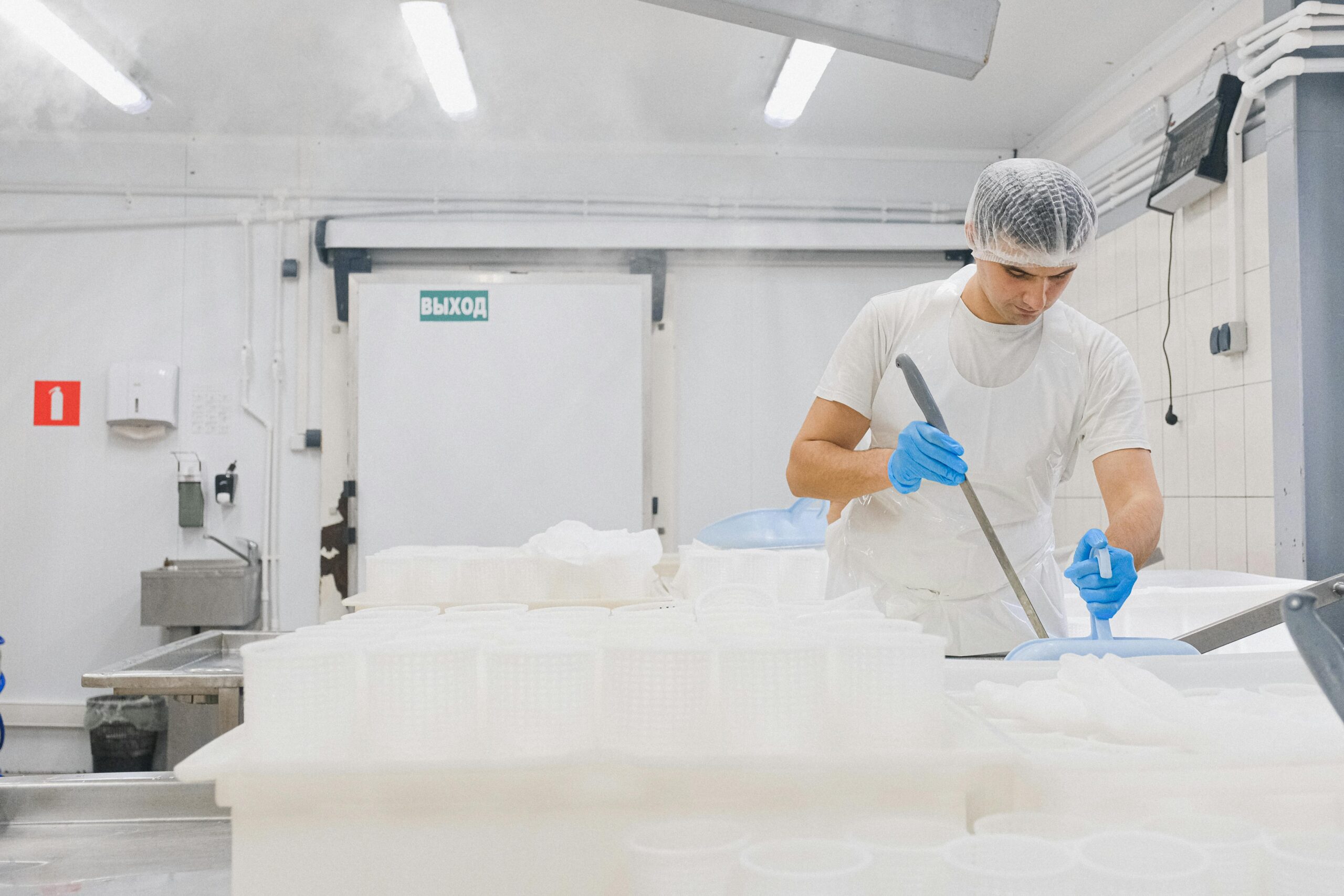
Food processing plants are environments where contamination risks are high due to the nature of the work. Effective sanitation protocols reduce the chances of bacterial growth and cross-contamination, safeguarding consumer health and meeting regulatory requirements. Companies such as Fayette Contract Sanitation Services provide specialized solutions tailored for food industry needs.
Core Components of Industrial and Food Processing Sanitation
1. Cleaning vs. Sanitizing: Understanding the Difference
- Cleaning: The physical removal of dirt, food residue, and debris from surfaces.
- Sanitizing: Reducing microbial load to safe levels to prevent contamination.
2. Effective Cleaning Methods in Food Industry
- Wet Cleaning: Utilization of water, detergents, and brushes, crucial for removing heavy soil.
- Dry Cleaning: Using specialized tools for surfaces sensitive to moisture.
3. Maintaining HACCP Compliance
Implementing Hazard Analysis and Critical Control Points (HACCP) systems is vital. Regular sanitation checks, staff training, and proper record keeping help ensure compliance and food safety integrity.
Best Practices for Food Plant Sanitation
Routine Cleaning Schedules
- Establish daily, weekly, and monthly cleaning protocols.
- Prioritize high-touch and high-risk areas such as processing lines, storage facilities, and equipment.
Use of Approved Disinfectants and Sanitizers
Select EPA-approved products compatible with food processing environments. Proper application protocols are critical for effectiveness.
Staff Training and Safety
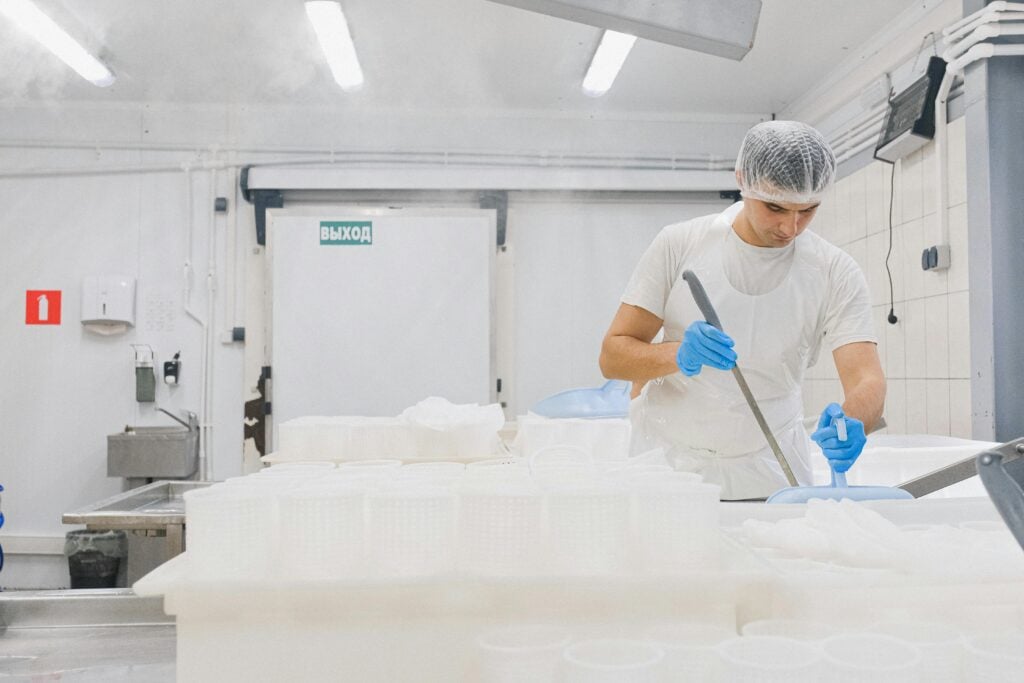
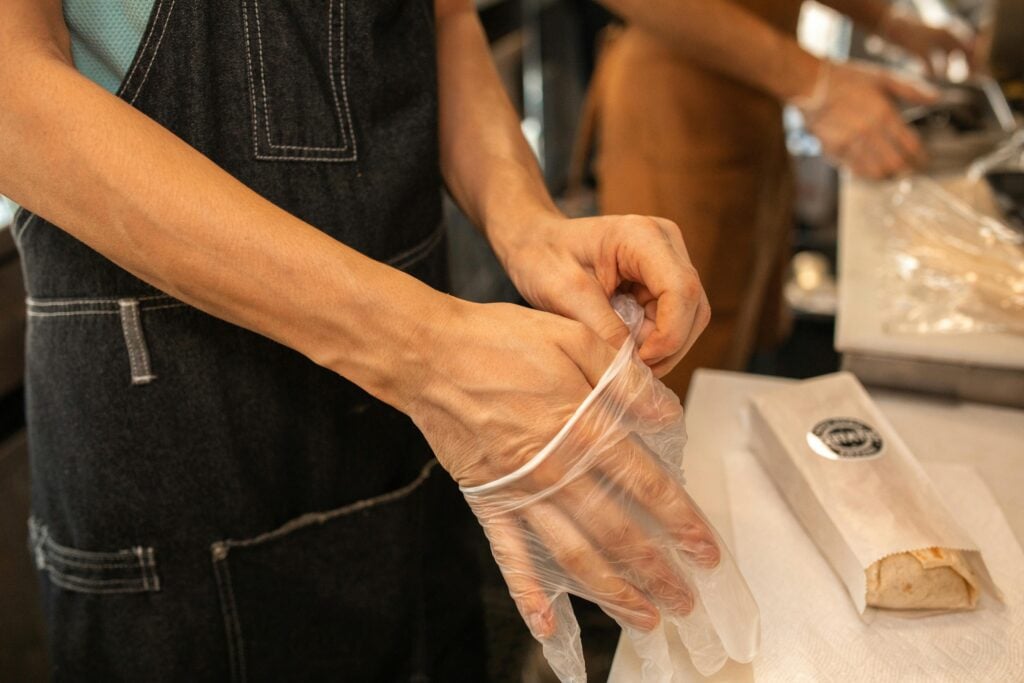
Educate staff on sanitation procedures, PPE requirements, and safety protocols to prevent accidents and cross-contamination.
Technology and Innovations in Food Plant Sanitation
Advanced sanitation technologies such as steam cleaning, UV sterilization, and automated cleaning systems offer increased efficiency and consistency. Incorporating these innovations can significantly improve sanitation standards.
Sanitation Service Providers
When selecting a sanitation partner, consider companies like Fayette Contract Sanitation Services, Janiking, and Hydrite. These providers offer industry-leading solutions tailored for food industry needs, ensuring compliance and optimal cleanliness.
Conclusion
Effective sanitation and cleaning practices are vital components of food safety management in processing plants. By adopting industry best practices, leveraging innovative technologies, and partnering with reputable service providers like Fayette, companies can maintain compliant, safe, and efficient food production environments.