
Ensuring Safety and Compliance in Food Processing Facilities
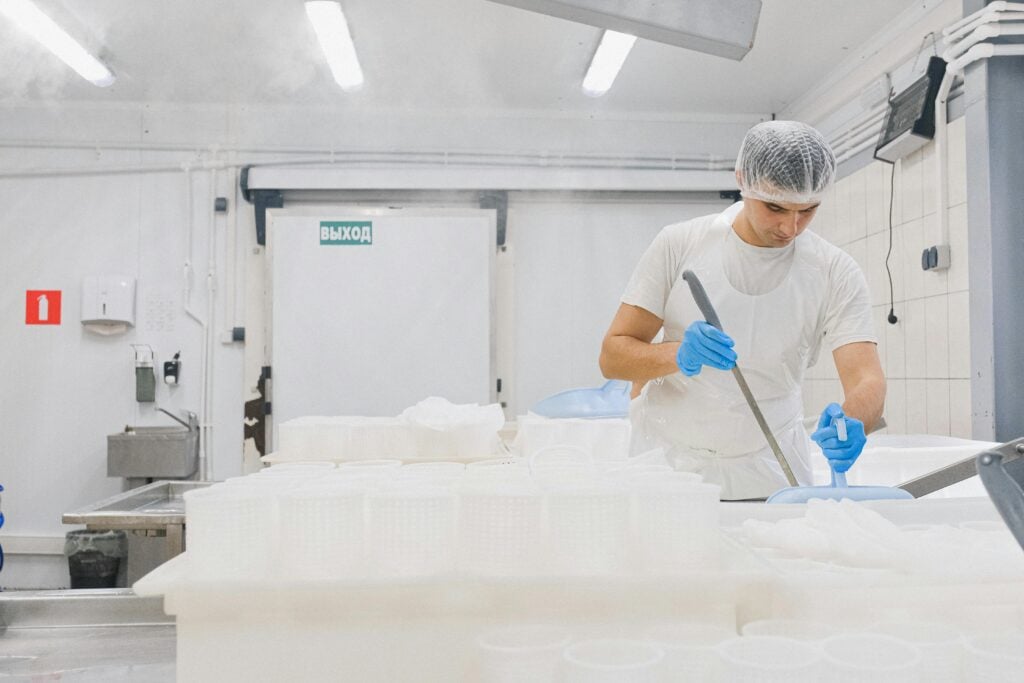
Food processing plants are critical infrastructures where stringent sanitation protocols are mandatory to prevent contamination and ensure food safety. In this post, we explore the essential practices and technologies that help maintain clean, safe, and compliant food manufacturing environments.
The Role of Industrial Sanitation in Food Plants
Strict sanitation in food processing facilities is vital to prevent cross-contamination and foodborne illnesses. According to industry experts, implementing an effective sanitation program involves:
- Regular cleaning routines using appropriate cleaning agents and disinfectants
- Adherence to HACCP protocols for hazard analysis and critical control points
- Continuous training of staff for sanitation procedures
- Use of specialized equipment for hard-to-reach areas
Best Practices for Food Plant Sanitation
1. Routine Cleaning and Sanitization
Implementing a schedule for daily, weekly, and monthly cleaning tasks ensures a consistent level of hygiene. Use Fayette Contract Sanitation Services for expert support in establishing protocols.
2. Proper Disinfection Techniques
Choosing the right disinfectants and applying them correctly ensures effective pathogen elimination. Always follow manufacturer’s instructions and validate sanitation procedures with microbiological testing.
3. Employee Training and Hygiene
Staff must be trained on sanitation standards, personal hygiene, and cross-contamination prevention. Continuous education helps maintain high compliance levels.
4. Effective Equipment Maintenance
Equipment should be regularly inspected and sanitized to prevent buildup of residues or biofilms. Use tools specifically designed for food industry standards.
Technological Innovations in Food Plant Sanitation
Emerging technologies like UV-C light sanitation, foaming disinfectants, and automated cleaning systems are transforming food processing sanitation. These innovations improve efficiency and safety.
Regulatory Compliance and Documentation
Maintaining detailed records of sanitation procedures and test results is essential for audits and regulatory compliance. Incorporate digital tracking systems where feasible.
Conclusion
Effective sanitation in food processing plants protects public health and ensures compliance with industry standards. Partnering with trusted sanitation providers like Fayette Contract Sanitation Services can help facilities implement best practices and stay ahead in food safety.