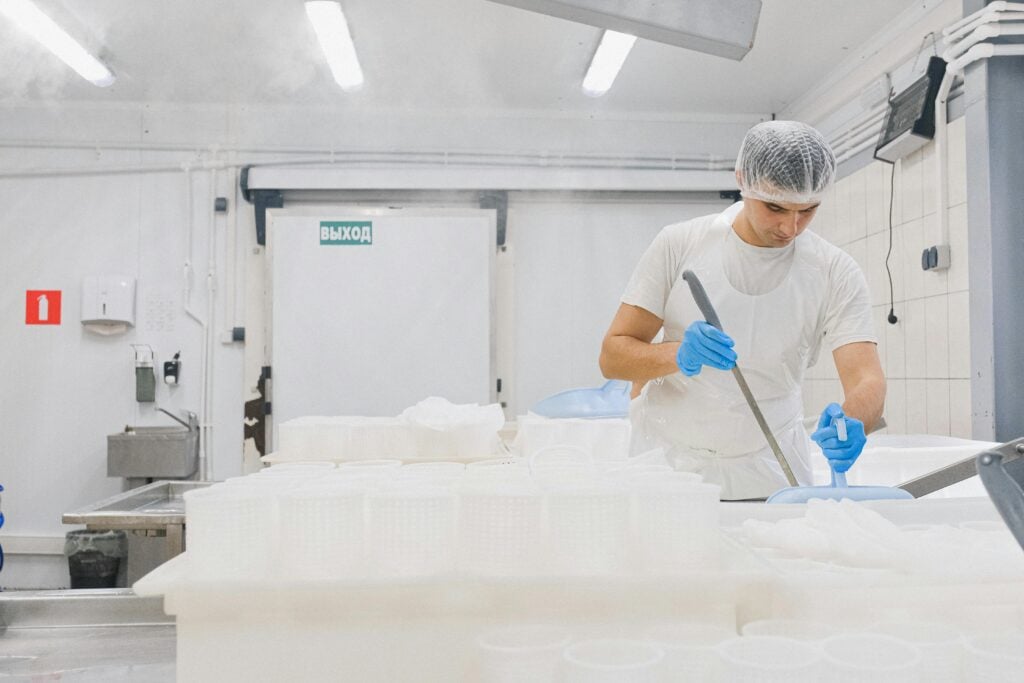
Maintaining impeccable cleanliness and sanitation standards in food processing facilities is critical for ensuring food safety and regulatory compliance. Industrial sanitation not only prevents contamination but also enhances operational efficiency and preserves brand reputation.
Understanding the Role of Sanitation in Food Processing
Sanitation in the food industry involves a systematic approach to removing dirt, bacteria, and other contaminants from equipment, surfaces, and environments. According to industry experts, effective industrial sanitation practices are essential for meeting strict food plant sanitation standards and supporting food safety systems like HACCP.
Key Components of Food Plant Sanitation
- Regular Cleaning Cycles: Implementing scheduled cleaning with approved cleaning agents to prevent buildup of residues that can harbor bacteria.
- Use of Proper Sanitizers: Applying sanitizers that are effective against a broad spectrum of microbes while being safe for food contact surfaces.
- Staff Training: Educating employees on cleaning procedures, personal hygiene, and contamination prevention.
- Documentation & Monitoring: Maintaining records of sanitation activities to ensure accountability and facilitate audits.
Innovative Cleaning Technologies for Food Industry
Wet Cleaning Processes
Effective wet cleaning methods involve using water in conjunction with detergents or disinfectants to thoroughly cleanse surfaces. This process is vital in removing organic matter, which can shield bacteria from sanitizers.
Advanced Equipment and Tools
Modern cleaning in the food industry employs advanced equipment such as automated wash systems, high-pressure spray devices, and dedicated cleaning robots. These innovations lead to more consistent and thorough sanitation outcomes.
Choosing the Right Contract Sanitation Companies
Partnering with reputable contract sanitation companies ensures adherence to industry standards and access to top-tier cleaning solutions. Notable providers include Fayette Contract Sanitation Services, Janiking, and Ecolab. These companies offer tailored sanitation programs designed for specific food processing needs.
Implementing a Safe and Compliant Sanitation Program
Steps to Enhance Your Food Plant Sanitation
- Conduct a thorough assessment of current cleaning practices and identify gaps.
- Develop a detailed sanitation schedule aligned with HACCP and other regulatory standards.
- Train staff on best practices, including proper use of cleaning chemicals and equipment.
- Regularly verify cleaning efficacy through microbial testing and visual inspections.
- Maintain comprehensive documentation for audits and continuous improvement.
Conclusion
Effective food plant sanitation services are the backbone of a successful food safety management system. Through the integration of innovative cleaning technologies, adherence to regulatory standards, and collaboration with trusted sanitation providers like Fayette Contract Sanitation Services, food processing facilities can achieve high levels of hygiene and safety.
For more tips on industrial sanitation and maintaining compliance, visit our blog or contact our team of sanitation experts today.