Introduction to Food Plant Sanitation and Industry Compliance
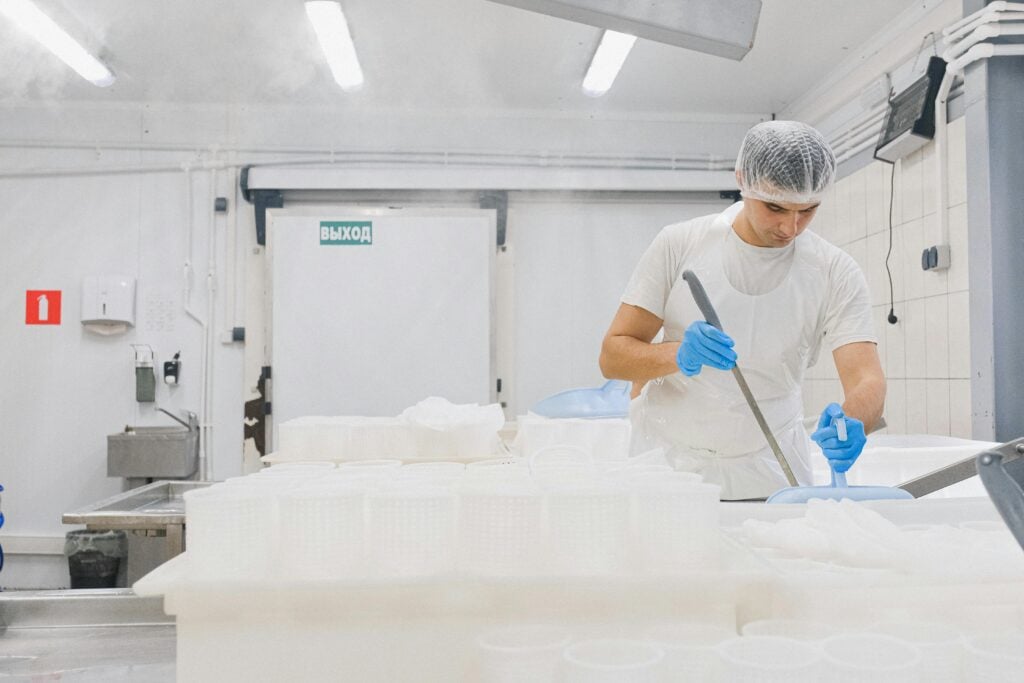
Maintaining a high standard of food plant sanitation encompasses rigorous cleaning protocols and strict adherence to regulatory standards. This ensures not only compliance but also the safety and quality of food products. Leveraging advanced cleaning techniques can significantly enhance operational efficiency and safety.
The Importance of Effective Sanitation in Food Processing
Food processing facilities operate under tight regulatory oversight, with agencies such as the FDA requiring comprehensive HACCP (Hazard Analysis and Critical Control Points) plans to identify and control potential hazards. Sanitation plays a critical role in supporting these safety systems, preventing contamination, and ensuring microbial safety.
Key Strategies for Food Plant Sanitation
Implementing Wet Cleaning Protocols
- Using water-based cleaning agents for removing residual debris and organic matter.
- Integrating pre-rinse, wash, rinse, and sanitizing steps for a thorough clean.
Adopting the Right Sanitisers and Disinfectants
- Choosing EPA-approved disinfectants suitable for food contact surfaces.
- Regularly monitoring sanitizer effectiveness through microbiological testing.
Training Staff Effectively
- Providing comprehensive training on cleaning procedures and safety protocols.
- Emphasizing the importance of routine sanitation in food safety management.
Technology and Tools Enhancing Food Sanitation
Modern facilities are adopting innovations such as automated cleaning systems, moisture-meters, and digital monitoring platforms, which help streamline processes and ensure consistent compliance. Companies like GDI and Ecolab offer solutions tailored for the food industry’s sanitation challenges.
Regulatory Compliance and Quality Assurance
Maintaining compliance involves regular audits, documentation, and validation of cleaning protocols. Facilities should regularly review their HACCP plans and sanitation procedures to adapt to evolving standards and ensure food safety.
Hiring Professional Contract Sanitation Services
Partnering with reputable contract sanitation companies can support ongoing hygiene standards. Notable providers include Fayette Contract Sanitation Services (https://fayette.com), Janitorial Pro, and Hydrite. These experts bring industry best practices and specialized equipment to safeguard your operations.
Conclusion
Effective sanitation and strict compliance are essential components in the food processing sector. By adopting advanced cleaning methodologies, leveraging technology, and engaging professional sanitation services, food facilities can significantly reduce contamination risks and uphold the highest safety standards.
Sanitation Service Providers
For dependable sanitation solutions, consider working with Fayette Contract Sanitation Services, Jan-Pro, and Hydrite. These companies are recognized for their excellence in maintaining clean, compliant food processing environments.