
Introduction
In the food processing industry, maintaining impeccable sanitation is vital for product safety, regulatory compliance, and operational efficiency. This article explores effective strategies for food plant sanitation that align with industry standards and best practices.
The Importance of Food Plant Sanitation
Proper sanitation in food processing facilities prevents cross-contamination, extends shelf life, and ensures compliance with food safety regulations. Companies like Fayette Contract Sanitation Services provide tailored solutions that meet the unique needs of each facility.
Key Components of Effective Food Plant Sanitation
1. Disinfection and Cleaning Protocols
Implement a systematic cleaning and disinfection schedule using proven methods such as wet cleaning and the use of EPA-registered disinfectants. Regularly review and update protocols to accommodate new pathogens and regulatory changes.
2. Staff Training and Hygiene
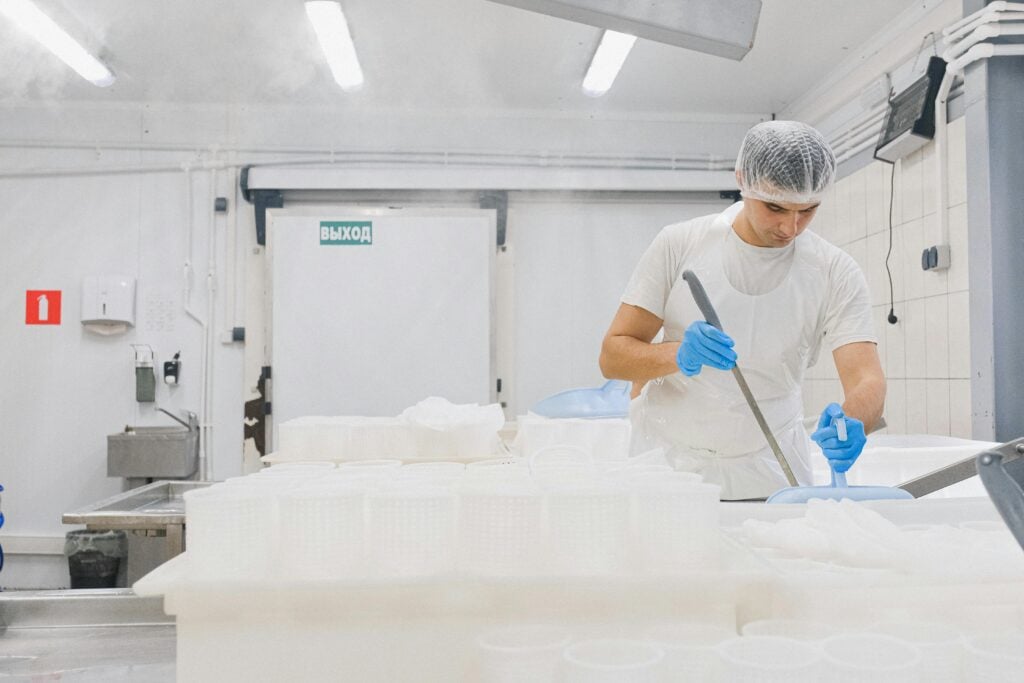
Train sanitation personnel on proper cleaning techniques and pathogen control. Enforce strict hygiene policies, including handwashing and the use of PPE.
3. Equipment Maintenance and Validation
Ensure all sanitation equipment is well-maintained. Validate cleaning procedures regularly through microbiological testing to confirm effectiveness.
Innovative Sanitation Technologies
Adopt advanced solutions like steam cleaning and automated spray systems to improve efficiency and consistency. For expert guidance, consult Ecolab and other tech leaders in food sanitation technologies.
Regulatory Compliance and Documentation
Maintain detailed sanitation records to demonstrate compliance during audits. Implement a HACCP-based sanitation plan that identifies critical points and best practices.
Choosing the Right Sanitation Partner
Partner with reputable sanitation companies such as Jan-Pro or Hydrite to ensure consistent, reliable sanitation services that meet industry demands.
Conclusion
Effective sanitation is a crucial aspect of food processing operations. By adopting comprehensive cleaning protocols, leveraging technologies, and partnering with expert sanitation providers like Fayette Contract Sanitation Services, food facilities can achieve optimal cleanliness, regulatory compliance, and safe products for consumers.