
Introduction to Food Plant Sanitation and Industry Standards
Maintaining rigorous sanitation protocols in food processing facilities is critical to meet industry compliance standards and ensure food safety. Proper sanitation not only prevents contamination but also plays a vital role in adhering to regulatory requirements such as HACCP and GFSI standards.
Understanding the Essentials of Food Plant Sanitation
What is Food Plant Sanitation?
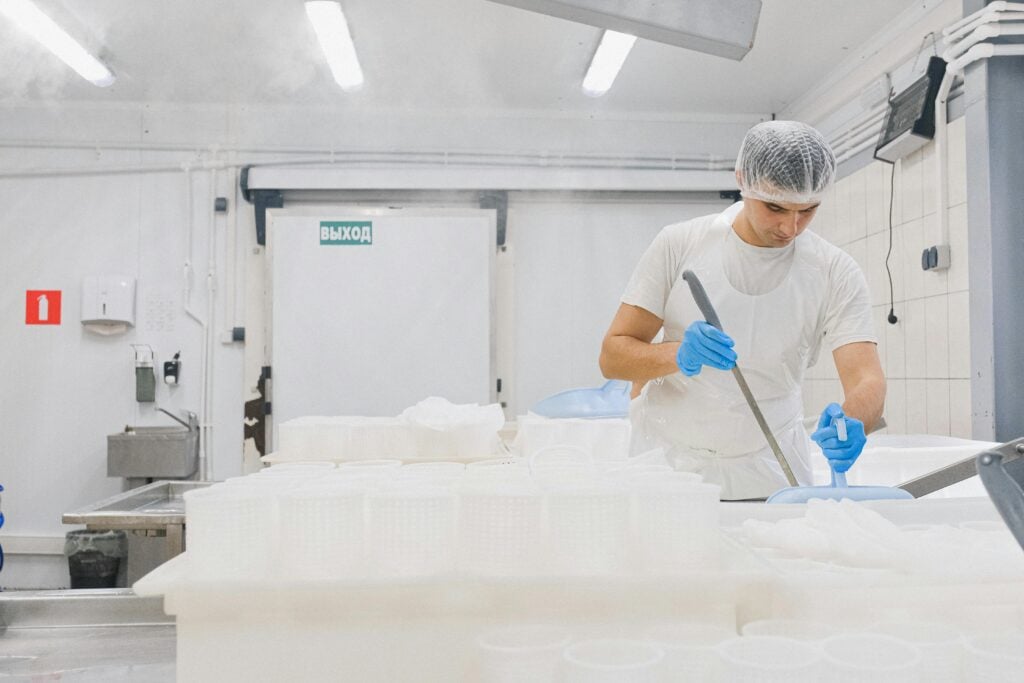
Food plant sanitation involves cleaning and disinfecting manufacturing environments, equipment, and utensils to eliminate food safety hazards. A comprehensive sanitation program ensures the hygiene of all areas involved in food production, from raw material handling to packaging.
Regulatory and Industry Compliance
Facilities must comply with national and international standards such as those outlined by the FDA, USDA, and HACCP protocols. Regular audits help verify that sanitation practices meet these stringent criteria.
Effective Sanitation Strategies for Food Processing Facilities
1. Develop and Implement a HACCP-based Sanitation Plan
A HACCP plan is central to food safety management, focusing on identifying potential hazards and controlling them through specific sanitation measures. Regular documentation and review are essential for ongoing compliance.
2. Use the Right Cleaning Agents and Disinfectants
- Choose food-safe, EPA-registered disinfectants.
- Focus on surfaces that are frequently in contact with food.
- Implement wet cleaning techniques when necessary to remove debris and residues efficiently.
3. Maintain Equipment and Facility Hygiene
Regular cleaning schedules should include:
- Cleaning of all machinery, utensils, and work surfaces.
- Sanitizing after cleaning to reduce microbial load.
- Routine inspection and maintenance to prevent build-up of contaminants.
4. Conduct Regular Food Safety Audits
Pre-audit preparation ensures all sanitation practices are documented and effective, reducing the risk of non-compliance during inspections.
Choosing the Right Sanitation Service Provider
Partnering with experienced sanitation companies can help streamline your sanitation processes. Reputable providers specializing in food processing environments include:
These companies offer tailored solutions to meet the unique needs of food production facilities, ensuring hygiene, compliance, and operational efficiency.
Conclusion
Effective sanitation strategies are foundational to food safety and regulatory compliance. Implementing a HACCP-based sanitation plan, using the right cleaning agents, and partnering with experienced sanitation providers are crucial steps toward a sustainable and safe food processing environment.
For more information on maintaining industry standards, visit Fayette Contract Sanitation Services and ensure your facility meets all necessary food safety requirements.