
Ensuring Food Safety Through Effective Sanitation and Sanitization Strategies
In the food processing industry, maintaining impeccable sanitation standards is essential for ensuring food safety, meeting regulatory compliance, and preventing contamination. This comprehensive guide explores food plant sanitation services, the importance of sanitization, and practical steps to improve cleanliness within food manufacturing facilities.
Understanding the Role of Sanitation and Sanitization in Food Processing
Sanitation vs. Sanitizing: Clarifying the Difference
- Sanitation: The process that reduces microbial load to safe levels, eliminating visible debris, dirt, and bacteria.
- Sanitizing: A critical step within sanitation that involves applying sanitizing agents to kill remaining microorganisms.
Both are vital components of a food plant sanitation program, ensuring that equipment, surfaces, and facilities are free from contaminants that could compromise product integrity.
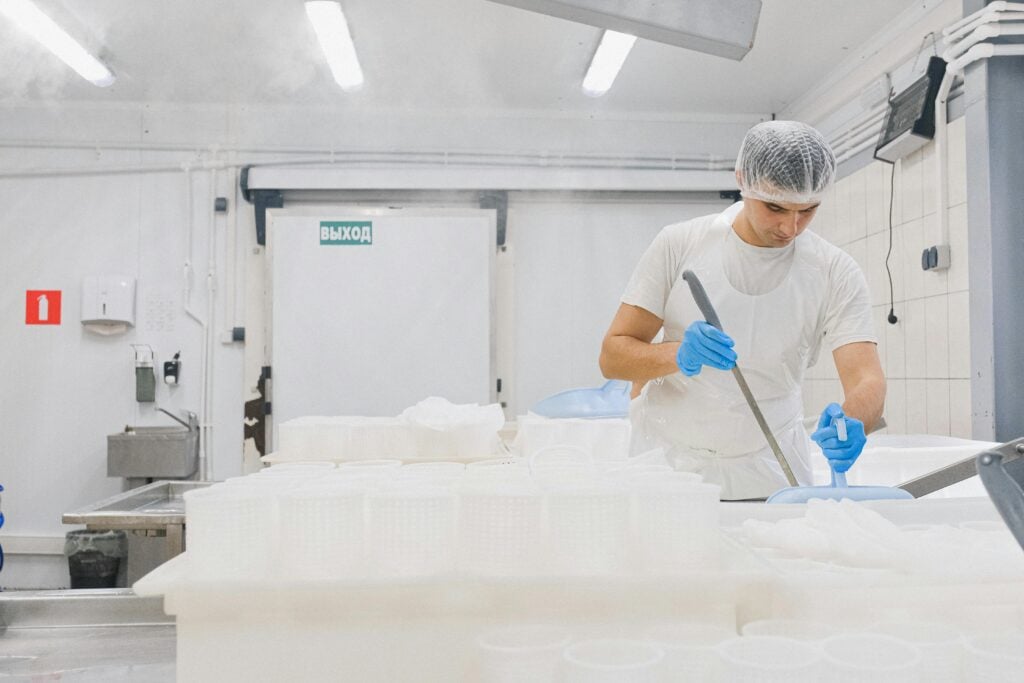
Effective Cleaning and Sanitization Procedures in Food Industry
Key Techniques and Best Practices
- Wet Cleaning: The application of water and detergents to remove soil and debris effectively.
- In-depth Sanitizing: Use of approved sanitizers like chlorine, quaternary ammonium compounds, or peracetic acid to kill pathogens.
- Routine Equipment Maintenance: Regular cleaning schedules for processing machinery to prevent biofilm buildup.
- Employee Training: Educating staff on proper cleaning techniques and the importance of food safety compliance.
Implementing a Robust HACCP System
A well-designed Hazard Analysis and Critical Control Points (HACCP) plan ensures critical sanitation points are monitored, reducing the risk of microbial contamination. Regular food safety audits and validation of cleaning protocols help maintain high standards.
Choosing the Right Sanitation Service Providers
Partnering with reputable companies specializing in industrial sanitation can significantly improve sanitation outcomes. Top providers such as Fayette Contract Sanitation Services, Janiking, and Jan-Pro offer tailored solutions, cutting-edge technology, and industry expertise.
Conclusion
Achieving optimal food safety requires implementing rigorous sanitation practices aligned with regulatory standards. Regularly review sanitation protocols, train staff thoroughly, and partner with qualified sanitation providers to keep your food processing plant safe and compliant.
Sanitation Service Providers
Investing in professional sanitation services and adopting best practices will enhance food safety, improve compliance, and protect your brand reputation.