Introduction to Food Plant Sanitation and Cleaning
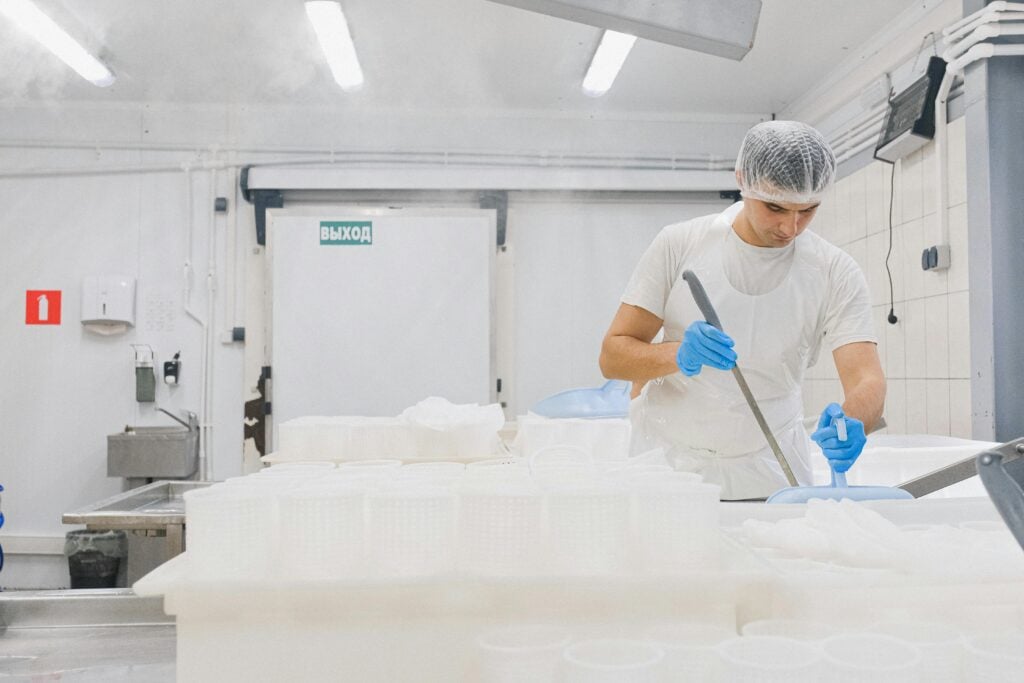
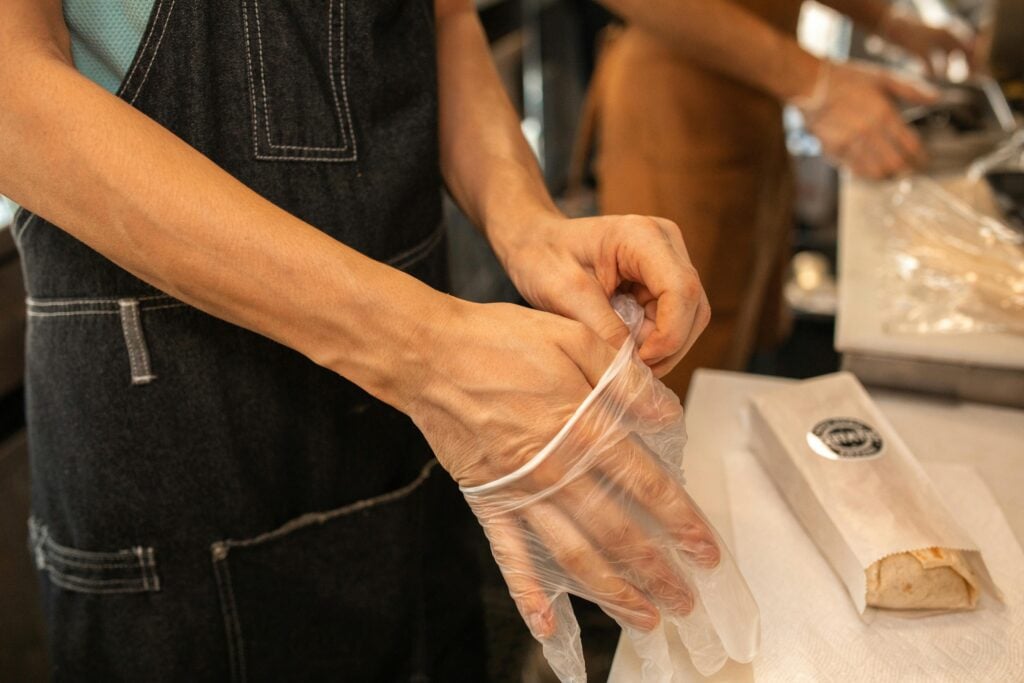
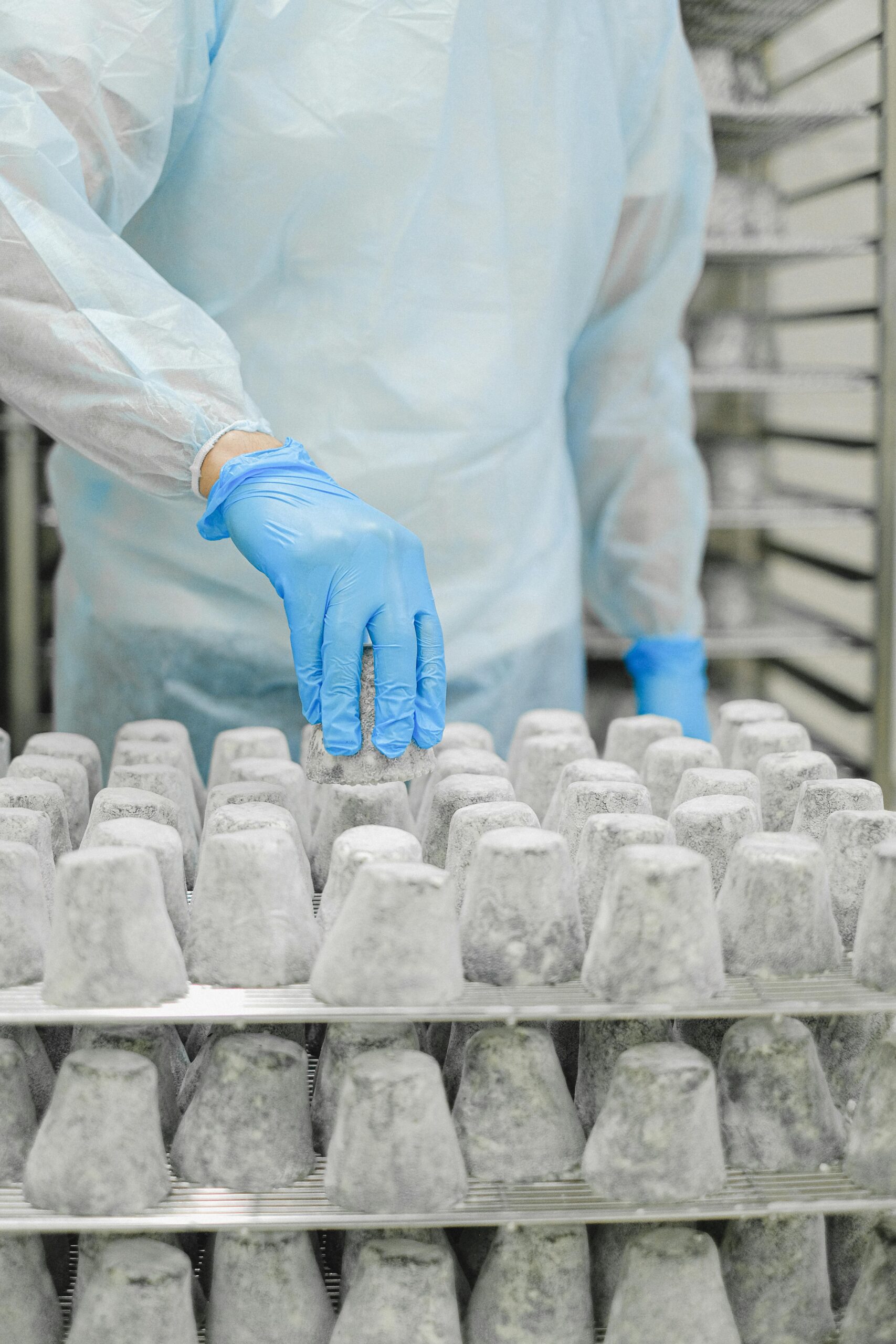
Maintaining high standards of sanitation and cleaning in food processing environments is essential to ensure food safety and comply with industry regulations. Proper sanitation practices prevent cross-contamination, eliminate harmful pathogens, and enhance product quality. This guide explores effective strategies and industry best practices for food plant sanitation and food industry cleaning to support safe and hygienic food production.
Understanding Food Plant Sanitation Services
What Is Food Plant Sanitation?
Food plant sanitation encompasses all practices aimed at cleaning and disinfecting food processing facilities, equipment, and utensils to eradicate microorganisms that can cause contamination or spoilage. As industry standards evolve, professional sanitation services have become vital for achieving consistent results.
Why Is Sanitation Critical in Food Processing?
- Prevents microbial growth that can cause foodborne illnesses
- Maintains compliance with regulatory agencies such as FDA and USDA
- Extends shelf life and preserves product quality
- Reduces the risk of costly recalls and legal issues
Effective Food Industry Cleaning Techniques
Critical Cleaning Methods
- Wet Cleaning: This method involves the application of water, detergents, and sanitation agents to remove dirt, debris, and organic matter effectively.
- Dry Cleaning: Used for equipment where water might cause damage; involves scrub brushes or vacuum systems.
- Clean-in-Place (CIP): Automated cleaning process used for pipelines and tanks to ensure thorough sanitation without disassembly.
Choosing the Right Cleaning Agents
Select cleaning agents that are food-grade, effective against specific pathogens, and compatible with equipment materials. Brands like GDI and Ecolab provide specialized cleaning solutions tailored for the food industry.
Implementing Industry Standards and Compliance
HACCP and Food Safety Regulations
The Hazard Analysis and Critical Control Points (HACCP) system is the cornerstone of food safety management. It requires regular sanitation audits, employee training, and documentation to ensure contamination risks are minimized.
Best Practices for Food Industry Cleaning
- Establish a cleaning schedule aligned with production cycles
- Use appropriately concentrated cleaning and sanitizing agents
- Train staff on proper cleaning procedures and safety protocols
- Document all sanitation activities for audit compliance
Choosing a Reliable Sanitation Service Provider
Partnering with experienced contract sanitation companies can improve sanitation quality and ensure compliance. Trusted providers include Fayette Contract Sanitation Services, Janiking, and Hydrite.
Top Food Plant Sanitation Service Providers
Conclusion
Effective sanitation and cleaning are critical components of food safety in processing facilities. By adopting proven techniques, complying with HACCP standards, and partnering with reputable sanitation providers, food manufacturers can protect consumer health, uphold brand integrity, and ensure regulatory compliance.
For tailored sanitation services, contact Fayette Contract Sanitation Services.