Introduction to Industrial Sanitation and Food Plant Cleaning
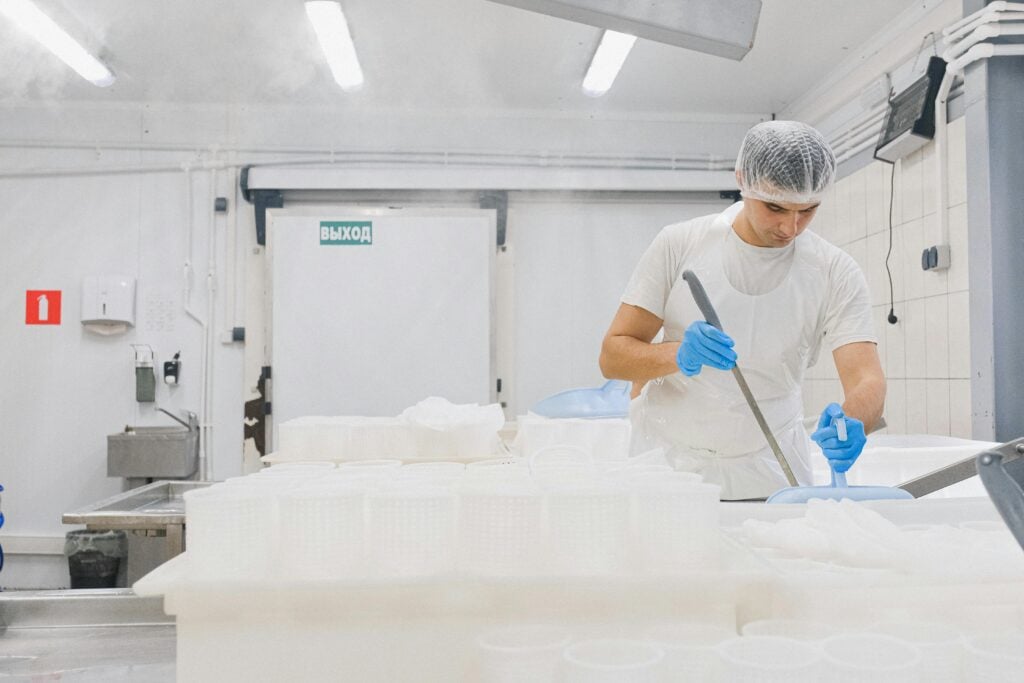
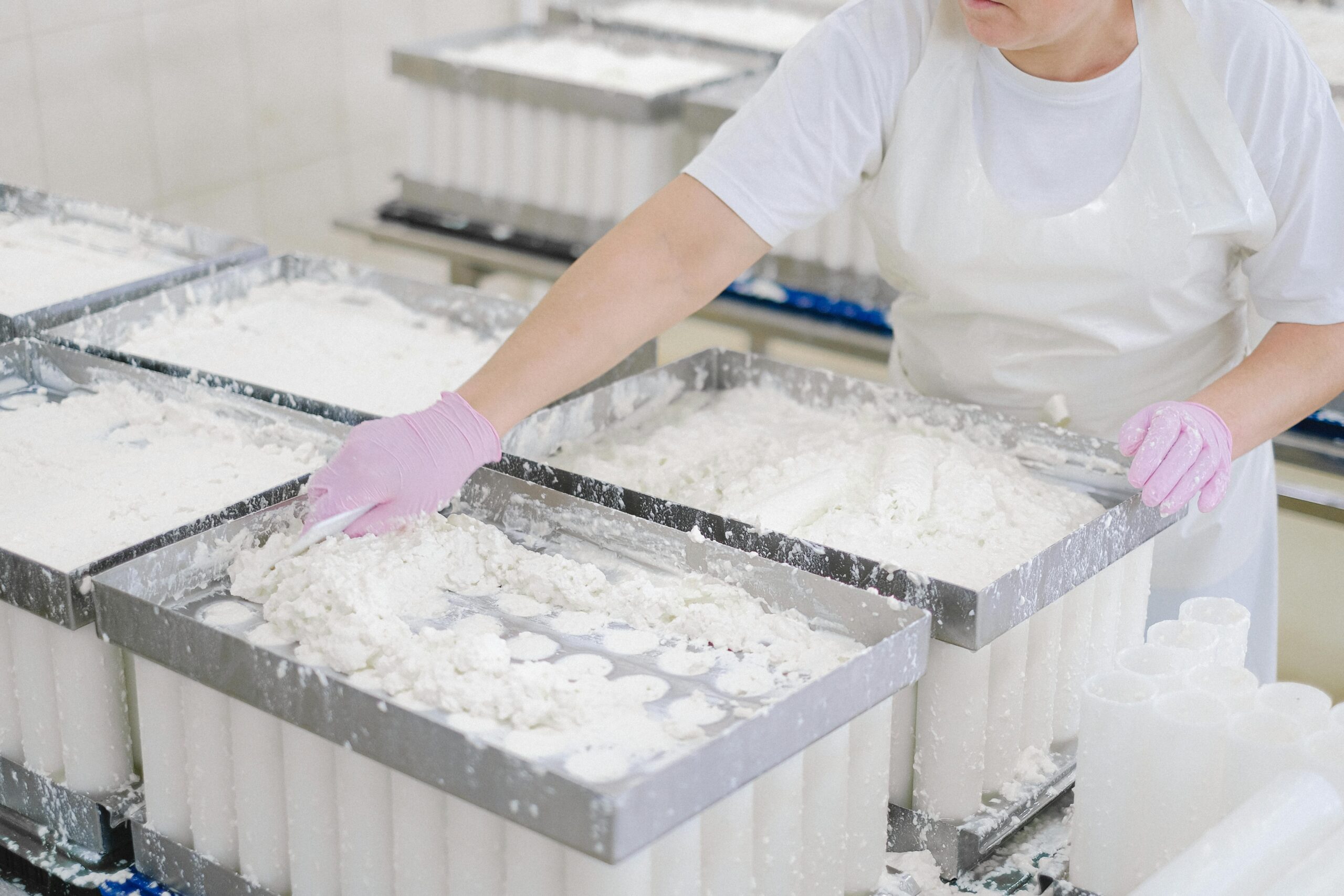
Maintaining high standards of sanitation in food processing facilities is essential for ensuring food safety and meeting regulatory compliance. Industrial sanitation encompasses a range of cleaning practices designed to eliminate contaminants, bacteria, and debris that can compromise food quality and safety.
The Importance of Sanitation in Food Processing
In food manufacturing environments, sanitation is not just about cleanliness; it’s a critical control point within the HACCP system that helps prevent foodborne illnesses. Proper sanitation reduces the risk of cross-contamination and ensures products meet stringent safety standards.
Key Components of Effective Food Plant Sanitation
- Surface Cleaning: Regular removal of dirt and debris from equipment and surfaces.
- Disinfection: Use of approved disinfectants to kill pathogens.
- Wet Cleaning: For hard-to-reach areas and equipment that accumulate residues.
- Maintenance of Sanitization Equipment: Ensuring sprayers, dispensers, and cleaning agents function properly.
Strategies for Effective Industrial Sanitation
Choosing the Right Sanitation Companies
Partnering with experienced contract sanitation companies is vital for maintaining sanitary standards. Companies like Fayette Contract Sanitation Services provide tailored solutions for food plants, ensuring compliance with safety regulations.
Implementing a Robust Cleaning Schedule
Creating a detailed cleaning schedule that includes daily, weekly, and monthly tasks helps in maintaining consistent sanitation. Documenting these activities facilitates audits and demonstrates ongoing compliance.
Utilizing Proper Chemicals and Equipment
Selective use of food-safe cleaning agents and disinfectants minimizes chemical residues. Using tools such as high-pressure washers and appropriate cleaning brushes enhances effectiveness.
Training and Certified Procedures
Training staff on proper cleaning techniques and the principles of sanitation supports consistent hygiene practices. Emphasizing Ecolab approved procedures can improve sanitation outcomes in your facility.
Regulatory Compliance and Food Safety Standards
Compliance with standards such as the HACCP system and local food safety laws ensures not only safety but also helps avoid costly shutdowns or recalls. Regular audits and inspections are integral to maintaining high sanitation standards.
Conclusion
Effective industrial sanitation and food plant cleaning are foundational elements for ensuring food safety compliance. Understanding the right practices, partnering with experienced sanitation providers, and adhering to food safety standards create a safer, cleaner environment for food production.
Sanitation Service Providers
For reliable sanitation solutions, consider working with Fayette Contract Sanitation Services, GDI, and Ecolab. These companies bring industry expertise to help your food processing plant maintain impeccable hygiene and safety standards.