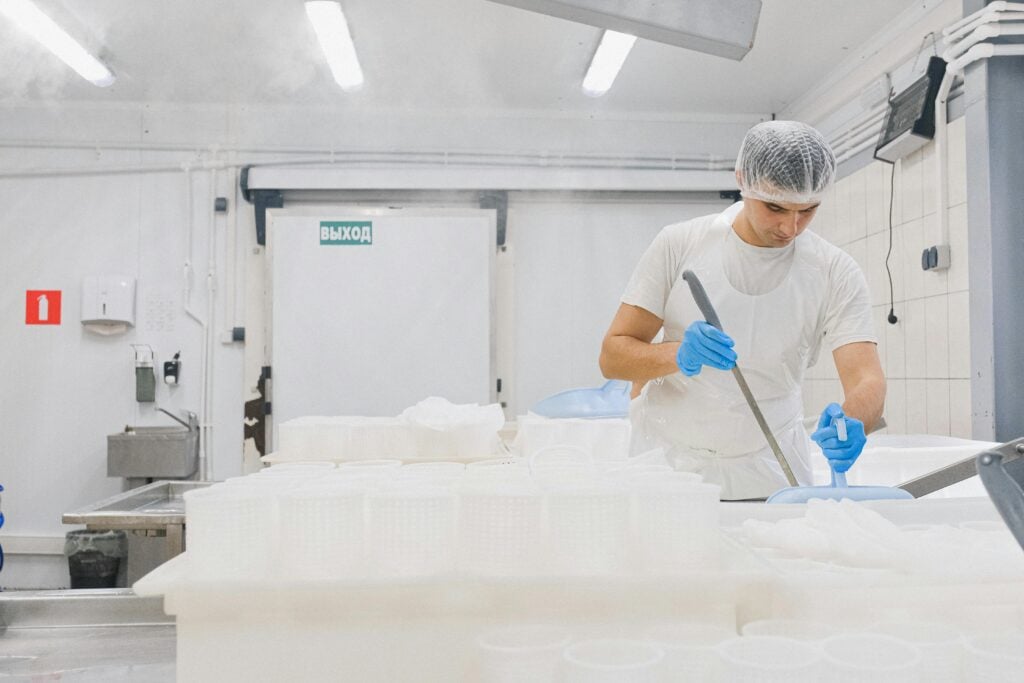
Maintaining high standards of food safety and sanitation in food processing plants is essential for ensuring consumer health and meeting regulatory requirements. Industrial sanitation is a critical component in preventing contamination, preserving product quality, and ensuring regulatory compliance.
Why Industrial Sanitation Is Vital in Food Processing
Food processing facilities handle raw ingredients and produce that are highly susceptible to microbial growth and cross-contamination. Proper sanitation practices help eliminate bacteria, viruses, and other pathogens that could compromise product safety.
Key Sanitation Strategies for Food Plants
1. Cleaning and Sanitizing Protocols
- Wet cleaning: Uses water and cleaning agents to remove dirt and debris from surfaces.
- Sanitization: Reduces microbial load to safe levels, often involving chemical solutions.
- Disinfection: Eliminates all microorganisms on surfaces, especially critical in high-risk areas.
2. Implementation of HACCP Systems
Hazard Analysis and Critical Control Points (HACCP) system is a systematic approach to identify, evaluate, and control hazards in food production. Regular sanitation is a fundamental part of maintaining HACCP compliance.
Best Practices for Food Plant Sanitation
Establish Clear SOPs
Standard Operating Procedures (SOPs) for cleaning and sanitation should be documented and adhered to strictly. SOPs should specify:
- Cleaning agents and disinfectants
- Cleaning frequency
- Equipment and tool protocols
- Employee training requirements
Regular Training and Monitoring
Ongoing employee training ensures that sanitation procedures are properly followed. Routine audits and testing verify sanitation effectiveness and help identify areas for improvement.
Choosing the Right Sanitation Service Provider
Partnering with experienced contract sanitation companies ensures that your facility maintains optimal hygiene standards. Reputable providers such as:
Conclusion
Effective industrial sanitation in food processing plants is not just about cleanliness but also about compliance, safety, and quality assurance. By implementing rigorous cleaning protocols, leveraging HACCP systems, and partnering with trusted sanitation experts, food manufacturers can ensure their products are safe and compliant with industry standards.
Further Resources
Learn more about Fayette Contract Sanitation Services and how they can support your food safety initiatives.