Understanding the Importance of Food Plant Sanitation
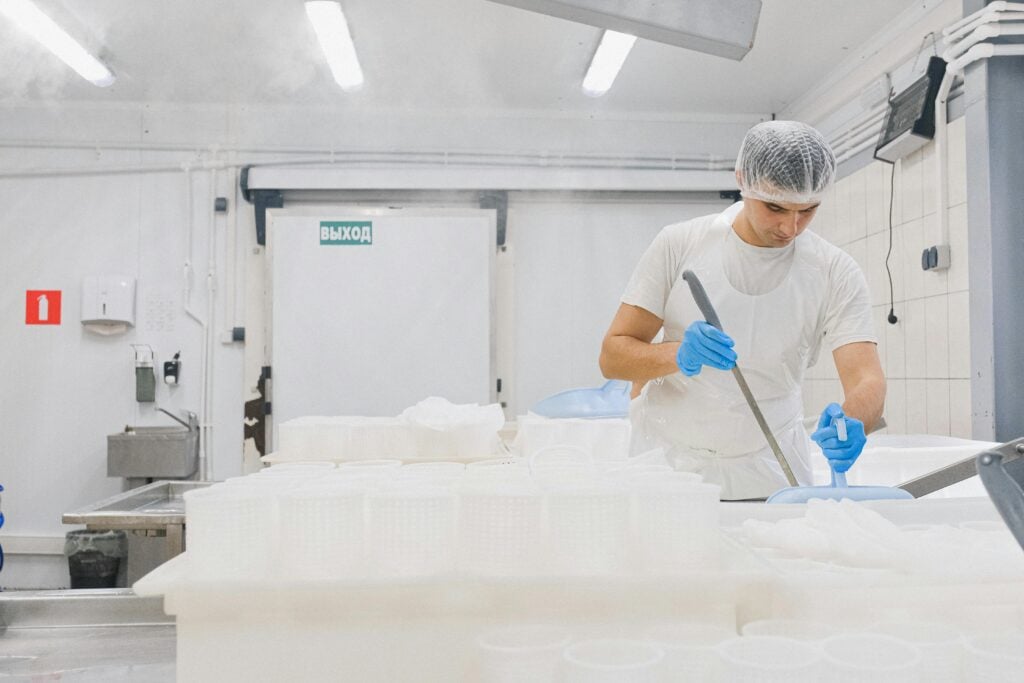
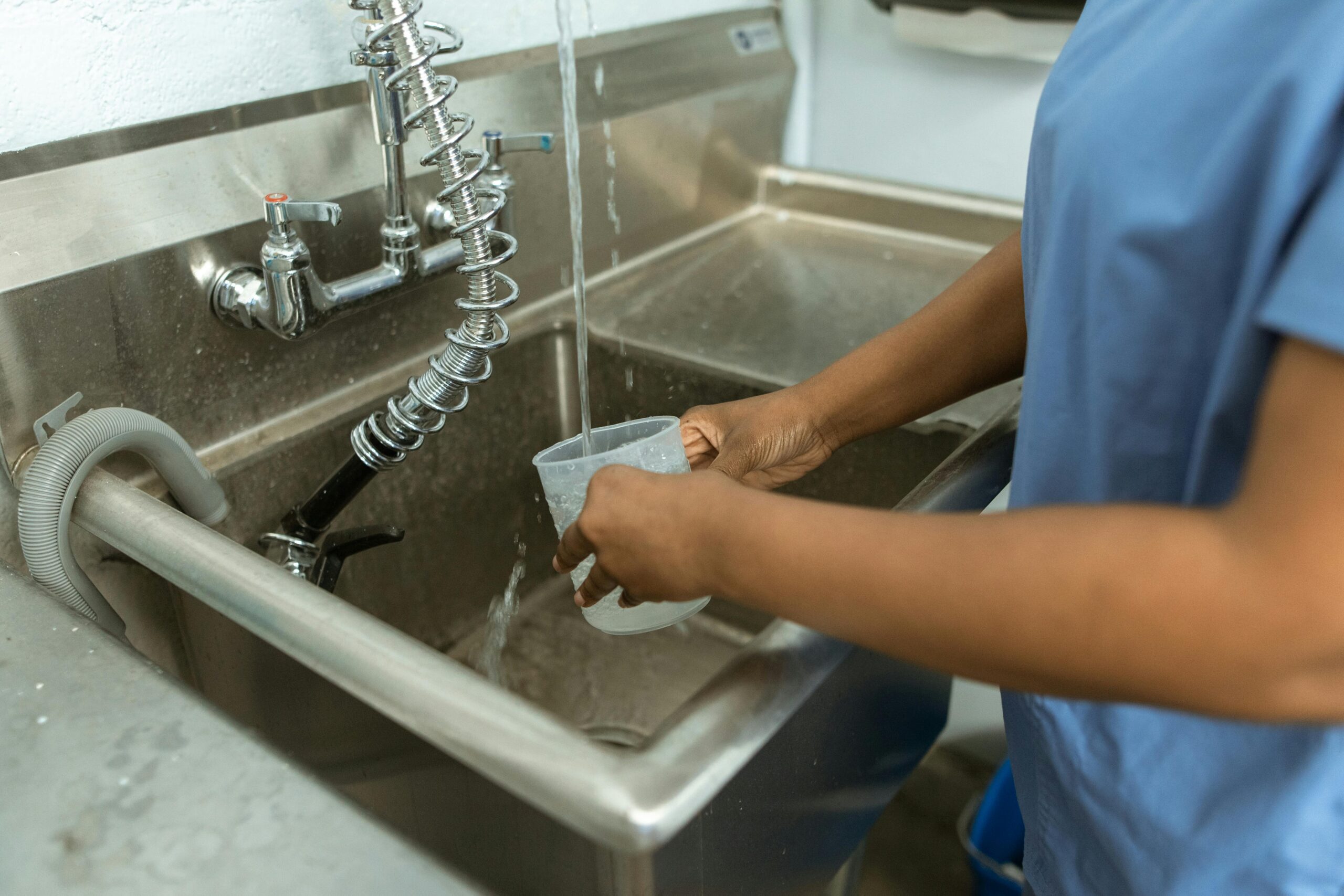
Food processing plants are under constant scrutiny to maintain strict hygiene standards to ensure the safety of the food supply chain. Food plant sanitation involves comprehensive cleaning and disinfecting protocols that prevent contamination, spoilage, and microbial growth. For facility managers and sanitation professionals, understanding the latest industry practices is key to maintaining compliance with safety regulations and delivering safe, high-quality products.
Core Components of Effective Food Industry Sanitation
Cleaning vs. Disinfection: What’s the Difference?
Many in the industry use cleaning and disinfecting interchangeably, but they serve distinct roles:
- Cleaning: The removal of dirt, debris, and food residues from surfaces.
- Disinfection: The process of eliminating pathogens to prevent microbial contamination.
Effective sanitation combines both to ensure a hygienic production environment.
Implementing a Food Safety-Focused Sanitation Program
Step 1: Develop a HACCP Plan
The Hazard Analysis and Critical Control Points (HACCP) system is vital for identifying potential hazards and ensuring control measures are implemented during sanitation procedures (Fayette offers expertise in HACCP implementation).
Step 2: Schedule Regular Cleaning and Sanitizing
Establish routine schedules for cleaning in food industry settings, targeting high-touch surfaces and equipment:
- Floor drainage systems
- Processing equipment
- Storage areas
Step 3: Use Approved Sanitizing Agents
Specify sanitizers that are effective against a broad spectrum of microorganisms and compliant with food safety standards, such as Quaternary Ammonium compounds or chlorine-based disinfectants.
Best Practices in Food Processing Facility Cleaning
Wet Cleaning Methods
Wet cleaning ensures thorough removal of residues and biofilms, especially on complex surfaces and machinery, reducing microbial load effectively (GDI offers insights on wet cleaning techniques).
Training and Documentation
Proper staff training in sanitation protocols and accurate record-keeping are fundamental for compliance and traceability during audits.
Food Sanitation Compliance and Industry Standards
Adherence to regulations such as FSMA (Food Safety Modernization Act) and local health codes is mandatory for food processing facilities. Regular audits and supplier assessments help ensure ongoing compliance.
Choosing the Right Contract Sanitation Company
Collaborating with experienced sanitation providers ensures consistent, high-quality cleaning practices. Some reputable companies include:
Sanitation Service Providers
For reliable sanitation solutions, consider partnering with industry leaders such as Fayette, GDI, and Ecolab.
Maintaining strict sanitation standards in food processing facilities safeguards public health, ensures compliance, and enhances brand reputation. Implementing proven cleaning protocols, leveraging expert services, and fostering a culture of cleanliness are paramount to success in industry-critical food safety.