Introduction to Food Processing Plant Sanitation
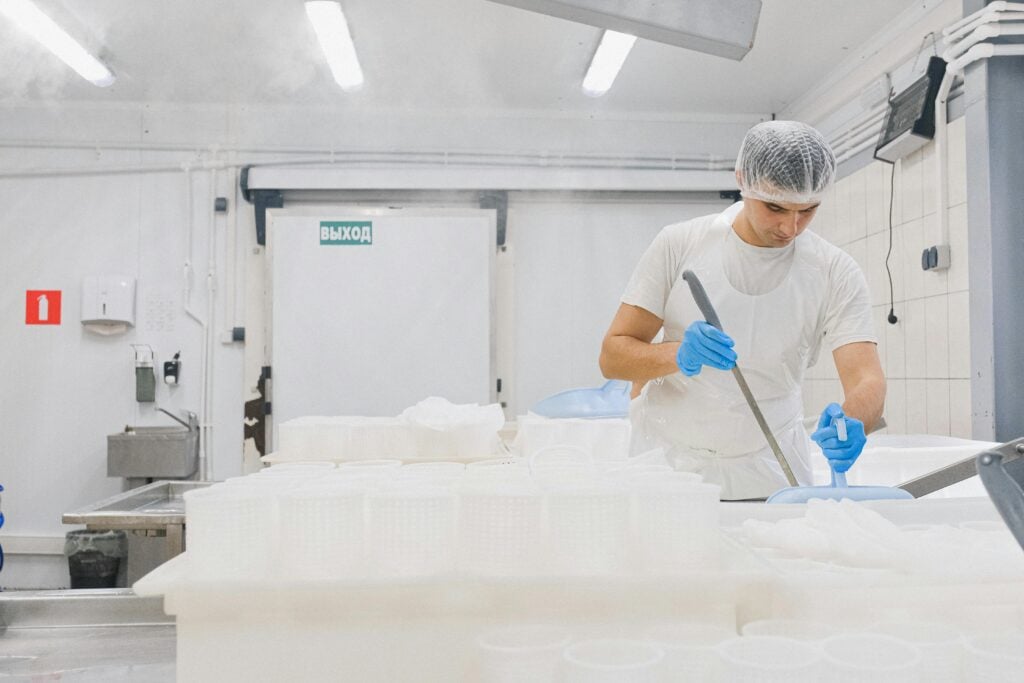
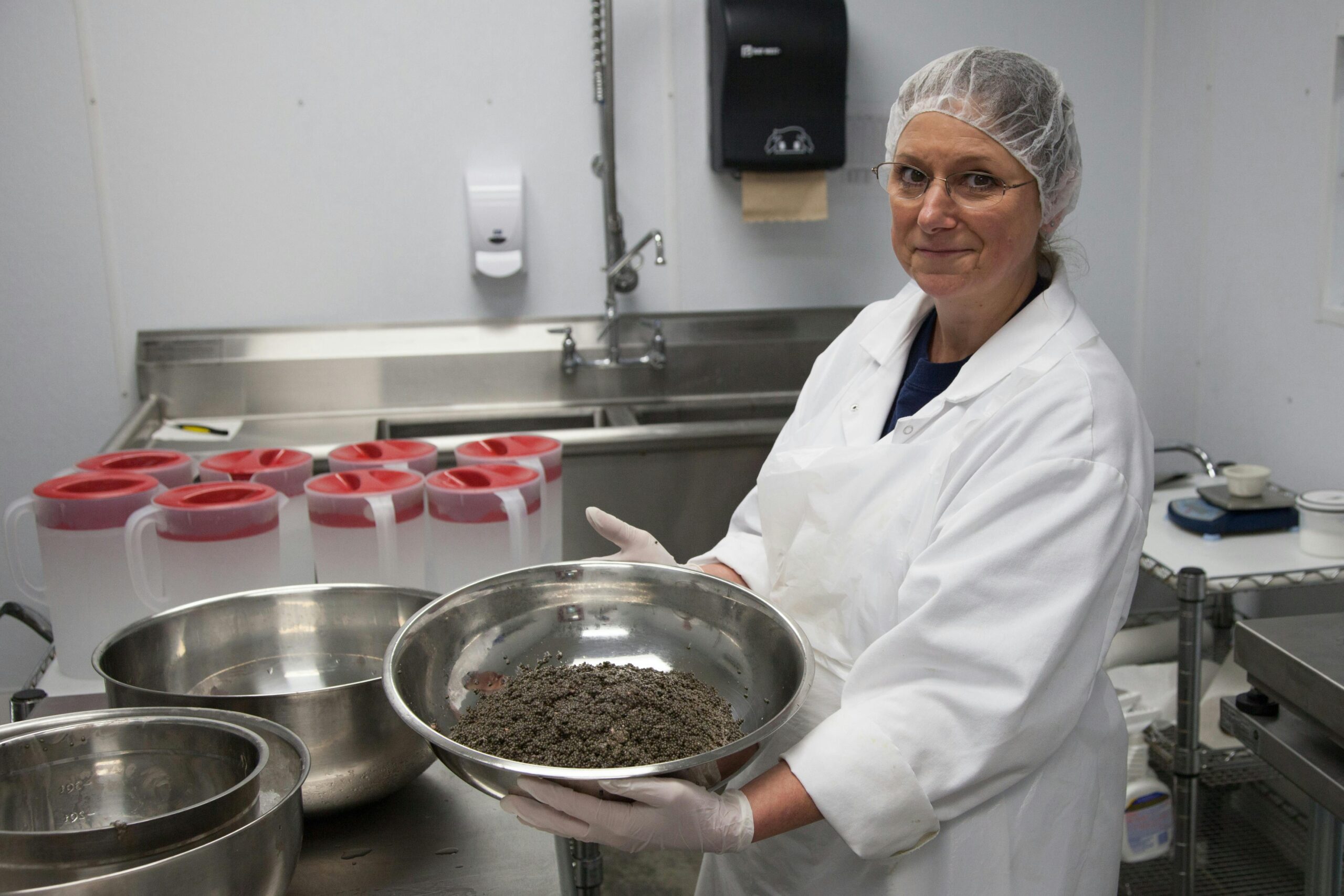
Maintaining rigorous sanitation standards in food processing facilities is critical for ensuring food safety and compliance with industry regulations. Proper sanitation goes beyond mere cleaning; it involves systematic procedures aimed at eliminating harmful bacteria, allergens, and other contaminants that can compromise product integrity and consumer health.
Understanding Food Plant Sanitation Services
Professional food plant sanitation services encompass a range of cleaning protocols tailored to meet the unique needs of the food industry. Companies like Fayette Contract Sanitation Services, Janiking, and Jan-Pro provide specialized solutions including wet cleaning, scheduled sanitation, and pathogen control, critical for food production environments.
Key Components of Effective Food Processing Sanitation
1. Sanitation Protocols and HACCP
Implementing Hazard Analysis Critical Control Point (HACCP) plans ensures that sanitation efforts target potential contamination points. Regular audits and staff training uphold these standards, reducing food safety risks.
2. Use of Appropriate Cleaning Agents
Choosing food-safe, non-corrosive cleaning agents is vital. Eco-friendly disinfectants and sanitizers, such as those recommended by Ecolab, can effectively control microbial presence without threatening product integrity.
3. Validation and Verification
Routine testing, including ATP testing and microbiological analysis, verifies cleaning effectiveness and helps in maintaining high sanitation standards.
Best Practices for Food Industry Sanitation
- Pre-cleaning: Remove debris and soil before applying sanitizers.
- Wet cleaning: Utilize high-pressure water systems for thorough cleaning of equipment and surfaces.
- Sanitizing: Apply approved sanitizers in accordance with manufacturer instructions, particularly after cleaning.
- Documentation: Record sanitation procedures and results for compliance audits.
Ensuring Regulatory Compliance and Food Safety
Adherence to guidelines set by agencies like the USDA and FDA is non-negotiable. Implementing validated sanitation protocols and keeping detailed records help facilities meet these requirements, avoiding costly shutdowns or audit failures.
Role of Sanitation Service Providers
Partnering with experienced sanitation providers such as Fayette Contract Sanitation Services, Pro Cleaning Solutions USA, and GDI can optimize sanitation processes, bringing expertise, advanced technology, and proven systems to ensure food safety and operational efficiency.
Conclusion
Robust sanitation in food processing plants is essential for safeguarding public health, maintaining brand integrity, and meeting regulatory standards. By implementing effective cleaning procedures, leveraging professional sanitation services, and staying vigilant through regular testing and documentation, food producers can foster a safer, more compliant operation.
For tailored sanitation solutions, consider partnering with trusted service providers experienced in the food industry to ensure your facility meets the highest safety standards.