Introduction
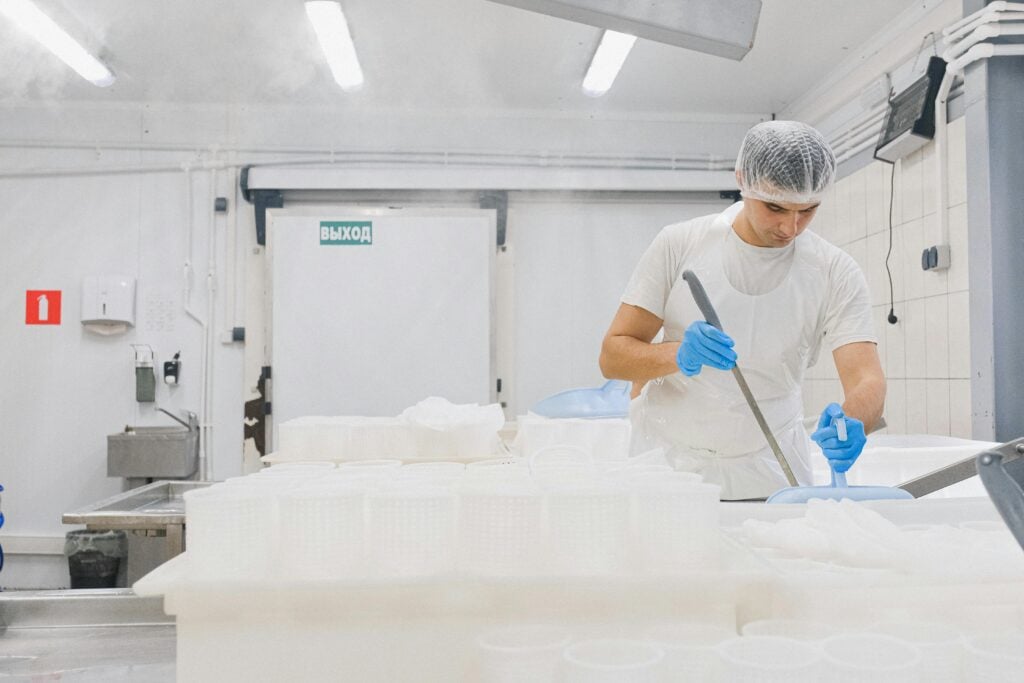
In the food processing industry, maintaining impeccable sanitation standards is crucial for ensuring food safety, complying with industry regulations, and protecting public health. Proper food plant sanitation services involve a combination of cleaning, disinfecting, and sanitizing processes that eliminate contaminants and reduce microbial risks.
The Importance of Industrial Sanitation in Food Processing
Food facilities are highly susceptible to microbial contamination, which can lead to product recalls, legal consequences, and damage to brand reputation. Effective food plant sanitation services help:
- Prevent cross-contamination
- Ensure compliance with HACCP standards
- Maintain the integrity of food products
- Reduce bacteria and pathogen levels
Strategies for Effective Food Processing Plant Cleaning
1. Develop a Detailed Cleaning Protocol
Creating a comprehensive cleaning plan tailored to your facility’s specific needs is essential. This plan should include:
- Regular cleaning schedules
- Suitable cleaning agents and tools
- Personnel responsibilities
2. Use Appropriate Cleaning Agents
Choose environmentally safe and Food Grade-certified cleaning products that effectively remove dirt, grease, and food residues. For instance, wet cleaning methods are often used in conjunction with specialized detergents.
3. Implement Proper Disinfection and Sanitization
Disinfection involves using chemical agents or heat to kill microbial contaminants on surfaces. Sanitization reduces microbial populations to safe levels, meeting health standards. Proper technique and contact time are vital for effectiveness.
Incorporating HACCP in Food Plant Sanitation
The HACCP system (Hazard Analysis and Critical Control Points) is a preventative approach that identifies potential hazards and establishes control measures throughout food processing. Sanitation protocols should align with HACCP principles by:
- Monitoring critical control points
- Documenting cleaning and sanitization activities
- Training employees on sanitation best practices
Choosing the Right Sanitation Service Providers
Partnering with experienced sanitation companies ensures your facility meets and maintains high standards. Consider providers like Fayette Contract Sanitation Services, Janiking, or Hydrite for their industry expertise and reliable service offerings.
Conclusion
Effective sanitation in food processing plants is a critical aspect of controlling microbial risks and ensuring compliance with food safety regulations. By adopting strategic cleaning, disinfecting, and sanitizing practices, along with leveraging professional sanitation services, food facilities can uphold the highest standards of hygiene and safety.