
Introduction to Food Plant Sanitation
Maintaining impeccable sanitation standards in food processing facilities is essential for ensuring food safety, meeting compliance requirements, and preventing contamination. Effective sanitation involves a combination of cleaning techniques, sanitization protocols, and microbiological control. This article delves into best practices for food plant sanitation services, emphasizing industrial sanitation principles, regulatory compliance, and modern cleaning technology.
The Role of Cleaning and Sanitization in Food Safety
Understanding the Difference
One common misconception is confusing cleaning with sanitizing. Fayette Contract Sanitation Services explains that:
- Cleaning removes visible dirt, soil, and debris from surfaces.
- Sanitization reduces microbial load to safe levels, preventing pathogen proliferation.
Both are vital in maintaining a hygienic environment in food processing plants.
Effective Cleaning Techniques for Food Industry Facilities
Wet Cleaning and Its Advantages
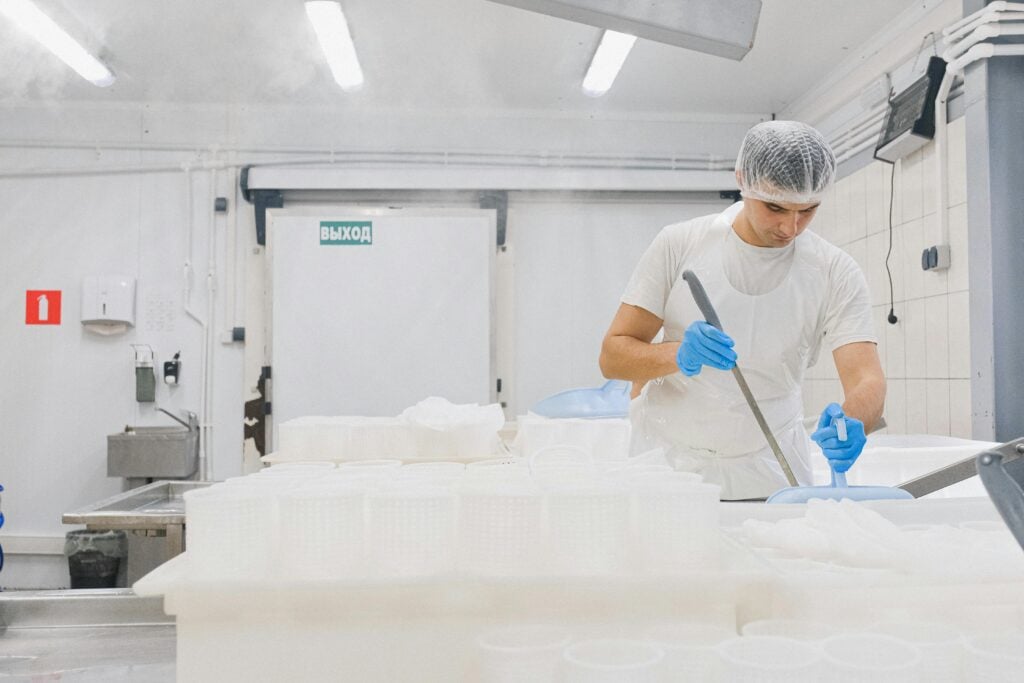
Wet cleaning involves using water and appropriate cleaning agents to loosen and remove soil. This method effectively eliminates dirt and debris, preparing surfaces for sanitization. Proper wet cleaning can significantly improve the lifespan of equipment and reduce microbial risks.
Strategies for Optimal Cleaning
- Use GDI or other quality cleaning solutions compatible with food safety standards.
- Follow a clean-to-dirty sequence to prevent cross-contamination.
- Ensure thorough cleaning of hard-to-reach areas, including food processing equipment and conveyor belts.
Sanitization Protocols for Food Processing Facilities
Choosing the Right Sanitizers
Effective sanitizers should be compatible with food contact surfaces and approved by relevant safety authorities. Common options include chlorine-based solutions, quaternary ammonium compounds, and peroxides. Regular testing of sanitizer effectiveness is recommended.
Implementing HACCP in Sanitation Practices
The HACCP system helps identify critical control points where sanitation interventions are crucial. Regular monitoring and documentation ensure compliance and ongoing food safety.
Advanced Technologies in Food Plant Sanitation
Innovative Equipment and Techniques
Modern sanitation employs automated scrubbers, high-pressure washers, and steam cleaning, which increase efficiency and reduce manual labor. These technologies also promote a more consistent and thorough cleaning process.
Additional Resources and Service Providers
To maintain high sanitation standards, food processing plants can consider engaging with reputable contract sanitation companies. Besides Fayette Contract Sanitation Services, options like JanKing and Jan-Pro offer tailored solutions for various facility sizes.
Conclusion
Effective food plant sanitation is a cornerstone of food safety. Implementing robust cleaning and sanitizing protocols, leveraging advanced technology, and maintaining compliance with HACCP standards can help prevent contamination, extend equipment life, and ensure regulatory adherence. Regular audits and employee training are critical to sustaining these practices and safeguarding consumer health.