
Introduction to Food Plant Sanitation and Food Safety
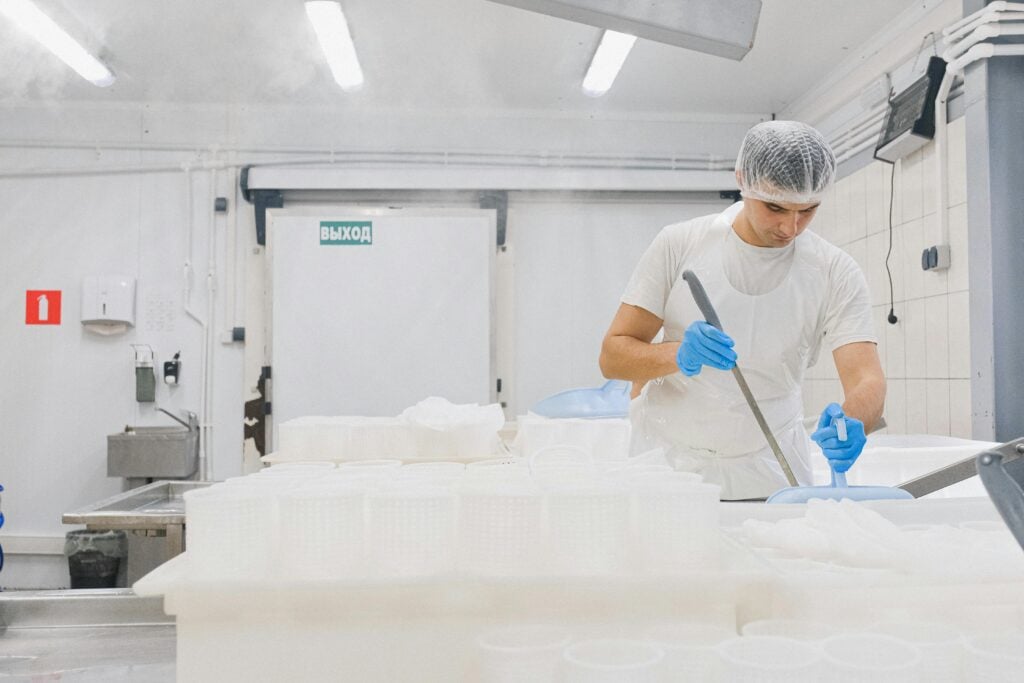
Maintaining a clean and sanitary environment in food processing facilities is critical for ensuring food safety, meeting regulatory standards, and avoiding contamination risks. Proper sanitation strategies not only help comply with Fayette Contract Sanitation Services guidelines but also contribute to the overall integrity of the food supply chain.
Understanding the Importance of Food Plant Sanitation
Why Sanitation Is Vital in Food Processing
- Preventing cross-contamination: Proper cleaning removes bacteria, allergens, and debris.
- Complying with health regulations: Ensures adherence to HACCP systems and other safety protocols.
- Protecting brand reputation: Consistent sanitation practices avoid negative public perceptions and recall issues.
Key Components of Effective Food Processing Plant Cleaning
Routine Cleaning Procedures
- Utilize wet cleaning to remove soils and grease from surfaces.
- Follow a step-by-step sanitation protocol involving cleaning, rinsing, sanitizing, and drying.
- Choose appropriate sanitizers approved for food contact surfaces.
Sanitization Techniques
- Employ effective disinfectants to eliminate pathogenic microorganisms.
- Ensure proper contact time and concentration levels for sanitizers.
- Maintain documented cleaning records for compliance purposes.
Implementing a HACCP System for Food Safety
HACCP and Sanitation
Hazard Analysis and Critical Control Points (HACCP) plays a vital role in identifying sanitation-related risks. Integrating sanitation procedures into HACCP plans ensures mitigation of hazards like microbial contamination or allergen cross-contact.
Training Your Staff
Proper training on cleaning and sanitizing standards is essential. Regularly update employees on best practices, sanitation verification procedures, and emergency response protocols.
Choosing the Right Sanitation Service Providers
Partnering with reliable sanitation service providers can help improve overall cleanliness and compliance. Besides Fayette, companies such as Jan-King and Jan-Pro provide specialized food facility cleaning services that adhere to the highest safety and sanitation standards.
Conclusion: Ensuring Food Safety Through Proper Sanitation
Consistent and effective sanitation practices are fundamental for food processing plants committed to food safety and regulatory compliance. By implementing thorough cleaning protocols, utilizing the right sanitizers, and partnering with trusted sanitation providers, food manufacturers can maintain a safe, compliant, and efficient operation.
For additional support and expert sanitation solutions, consider contacting Fayette Contract Sanitation Services.