Understanding the Critical Role of Food Plant Sanitation in Food Safety and HACCP
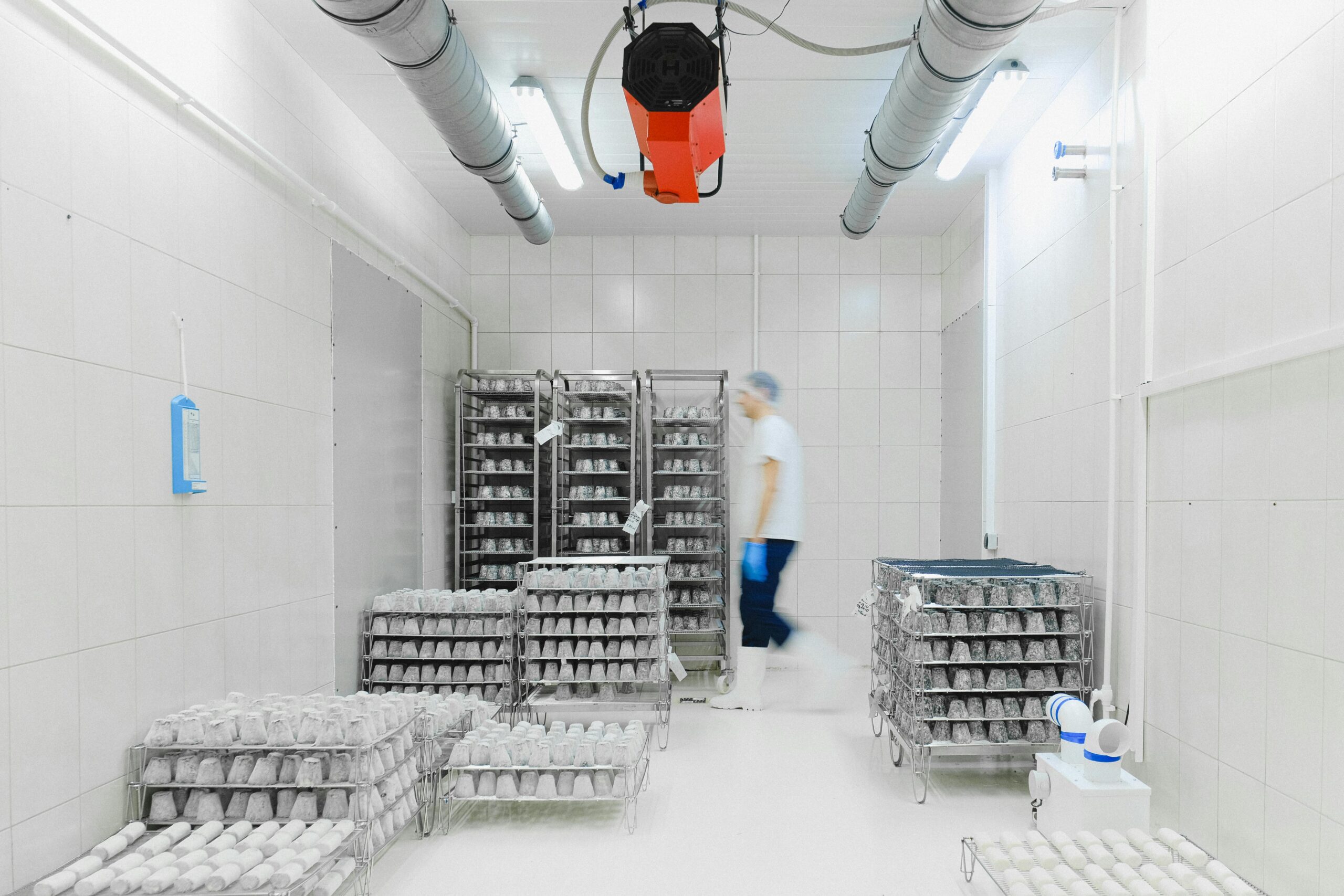
Maintaining high standards of sanitation in food processing facilities is essential for ensuring food safety and meeting regulatory compliance such as the HACCP system. A clean food processing environment reduces the risk of contamination, product recalls, and safety hazards, thereby safeguarding consumers and reinforcing brand integrity.
Key Aspects of Effective Food Plant Sanitation
Comprehensive Cleaning Protocols
- Scheduled Cleaning: Regular cleaning schedules prevent buildup of dirt, debris, and microbial residues.
- Targeted Sanitization: Use approved sanitizers to eliminate pathogens on all surfaces, equipment, and work areas.
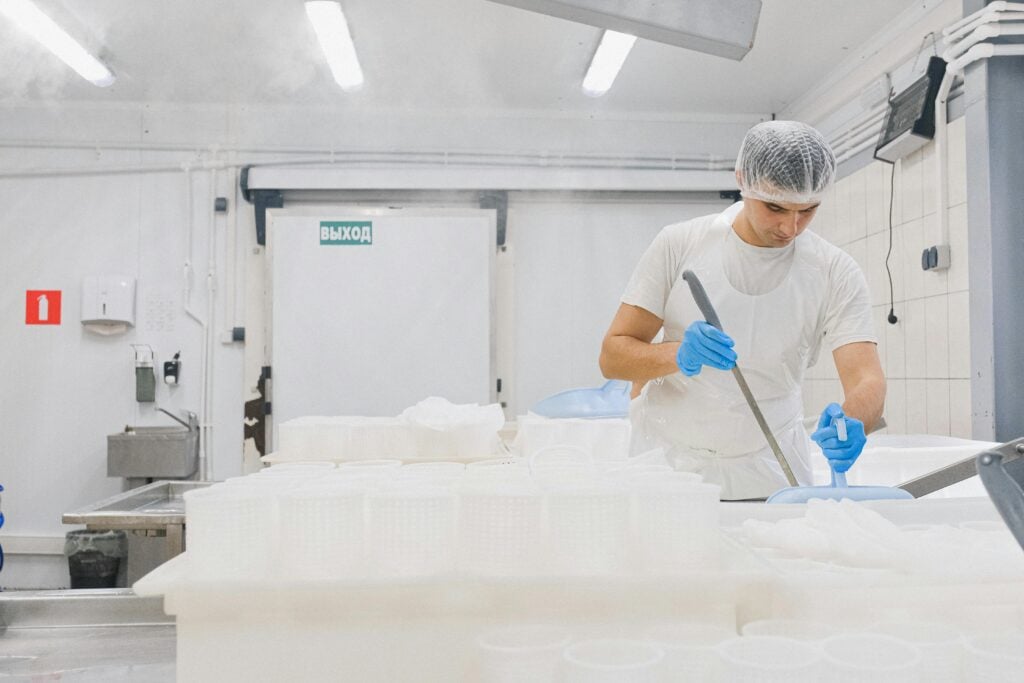
- Wet Cleaning Techniques: Employ wet cleaning methods for heavy soil removal, reducing cross-contamination risks.
Adherence to Food Safety Regulations
Facilities should diligently follow industry best practices for sanitation, including proper cleaning agents, sanitizers, and validation procedures as part of their HACCP plan.
Implementing Effective Sanitation Programs
Training and Certification
Effective sanitation starts with trained personnel familiar with the latest cleaning protocols and safety standards. Certifications in food safety help reinforce proper procedures.
Use of Advanced Technologies
- Equipment Sanitization Systems: Automated systems ensure consistent application of sanitizers and cleaning agents.
- Real-Time Monitoring: Technologies that track sanitation steps improve accountability and compliance.
Choosing the Right Food Plant Sanitation Partner
Partnering with reputable contract sanitation companies ensures expertise and adherence to food safety standards. Companies such as Janiking and Ecolab offer specialized services tailored for food processing environments.
Additional Resources and Best Practices
- Regular food safety audits help verify sanitation effectiveness.
- Use validated cleaning and sanitizing agents to meet regulatory standards.
- Implement sanitation SOPs aligned with HACCP principles for continuous improvement.
Conclusion
Robust food plant sanitation is a cornerstone of food safety and HACCP compliance. By implementing detailed cleaning protocols, leveraging innovative technologies, and partnering with experienced sanitation service providers, food processors can achieve high standards of cleanliness, ensure product safety, and meet stringent regulatory requirements.
For further assistance, consider consulting with leading Fayette Contract Sanitation Services, or explore other trusted companies like Janiking and GDI.