Understanding Food Plant Sanitation and Its Role in Food Safety
Food plant sanitation is a critical component of maintaining a safe and compliant food processing environment. Proper sanitation practices not only prevent contamination but also ensure compliance with regulatory standards set by agencies such as the USDA and FDA. In this article, we will explore effective food plant sanitation strategies, the importance of adhering to hygiene standards, and how to choose the right sanitation service providers.
Essential Food Plant Sanitation Practices
Cleaning and Sanitizing Protocols
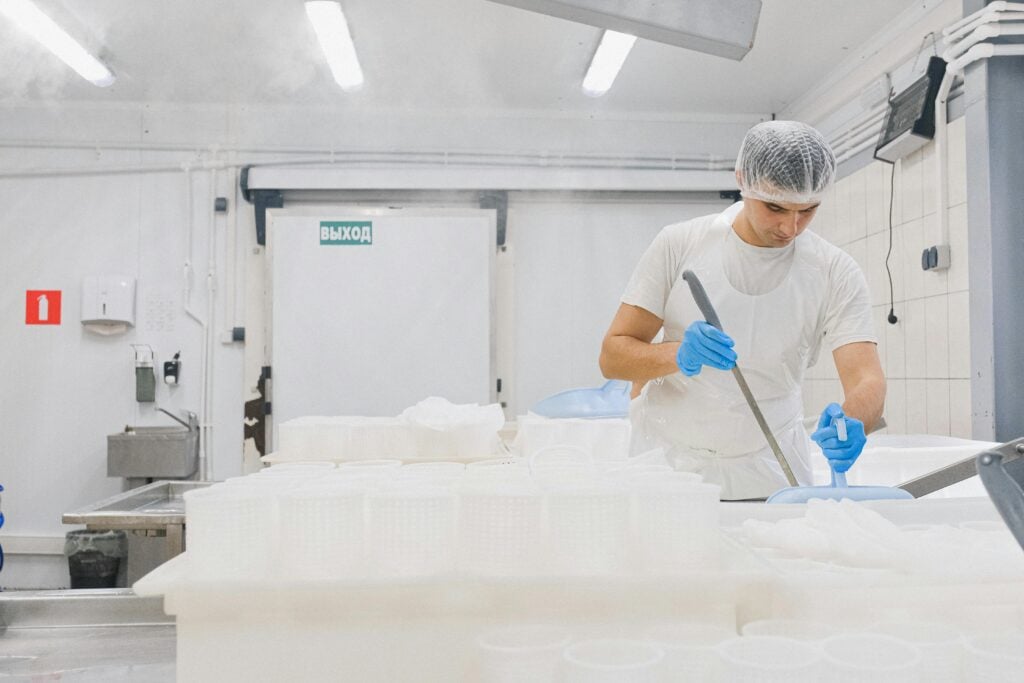
Implementing thorough cleaning and sanitizing protocols is fundamental to prevent microbial growth and cross-contamination. Key practices include:
- Wet Cleaning: Utilizing water and approved cleaning agents to remove dirt, debris, and residues from surfaces.
- Sanitization: Applying sanitizers that reduce surface microbial load to acceptable levels, following cleaning processes.
- Regular Inspection: Conducting routine checks to identify potential sanitation issues promptly.
HACCP System Integration
Hazard Analysis and Critical Control Points (HACCP) systems are vital in identifying sanitation hazards and implementing control measures. Proper sanitation supports critical HACCP points by reducing the risk of contamination and ensuring food safety compliance.
Choosing a Food Plant Sanitation Service
Partnering with experienced sanitation providers can streamline your cleaning processes and ensure regulatory compliance. When selecting a provider, consider:
- Fayette Contract Sanitation Services: Known for reliable food plant cleaning solutions.
- Janiking: Offers specialized industrial sanitation services.
- Ecolab: Provides comprehensive cleaning and sanitization products tailored to the food industry.
The Importance of Compliance and Documentation
Maintaining detailed sanitation logs, cleaning schedules, and audit-ready documentation is essential for demonstrating compliance during food safety audits. Proper documentation:
- Supports HACCP verification
- Ensures accountability
- Reduces risk of non-compliance penalties
Conclusion
Effective food plant sanitation is a cornerstone of food safety and regulatory compliance. Regular cleaning, sanitizing, and the integration of HACCP principles safeguard your products and brand reputation. Partnering with trusted sanitation service providers such as Fayette Contract Sanitation Services can help achieve optimal cleanliness and compliance standards, ensuring your facility remains safe and audit-ready.