Introduction to Food Plant Sanitation
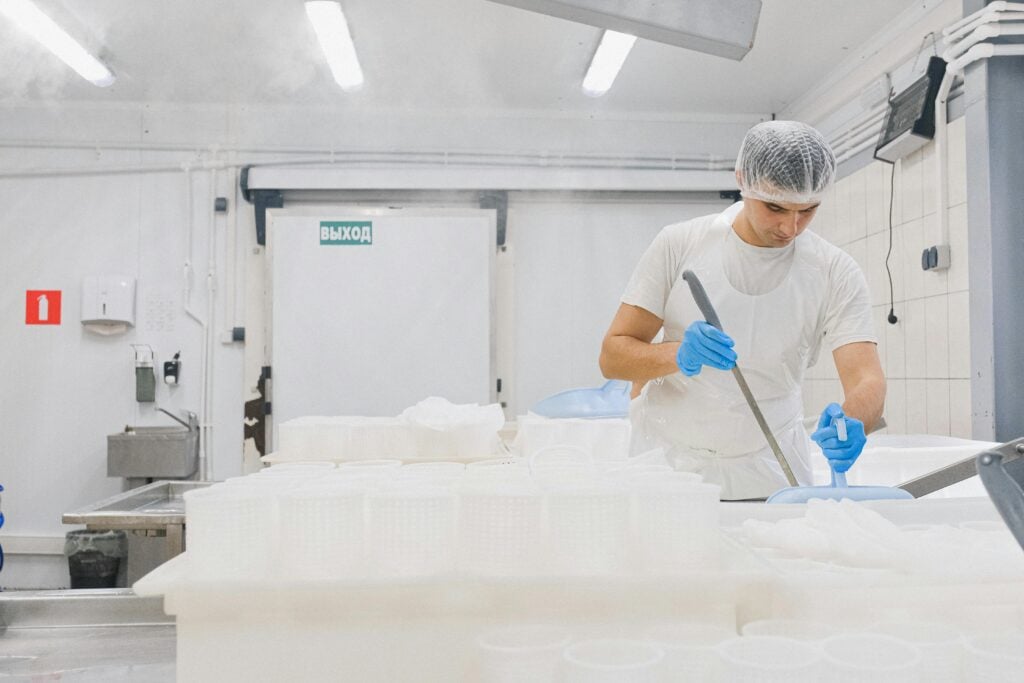
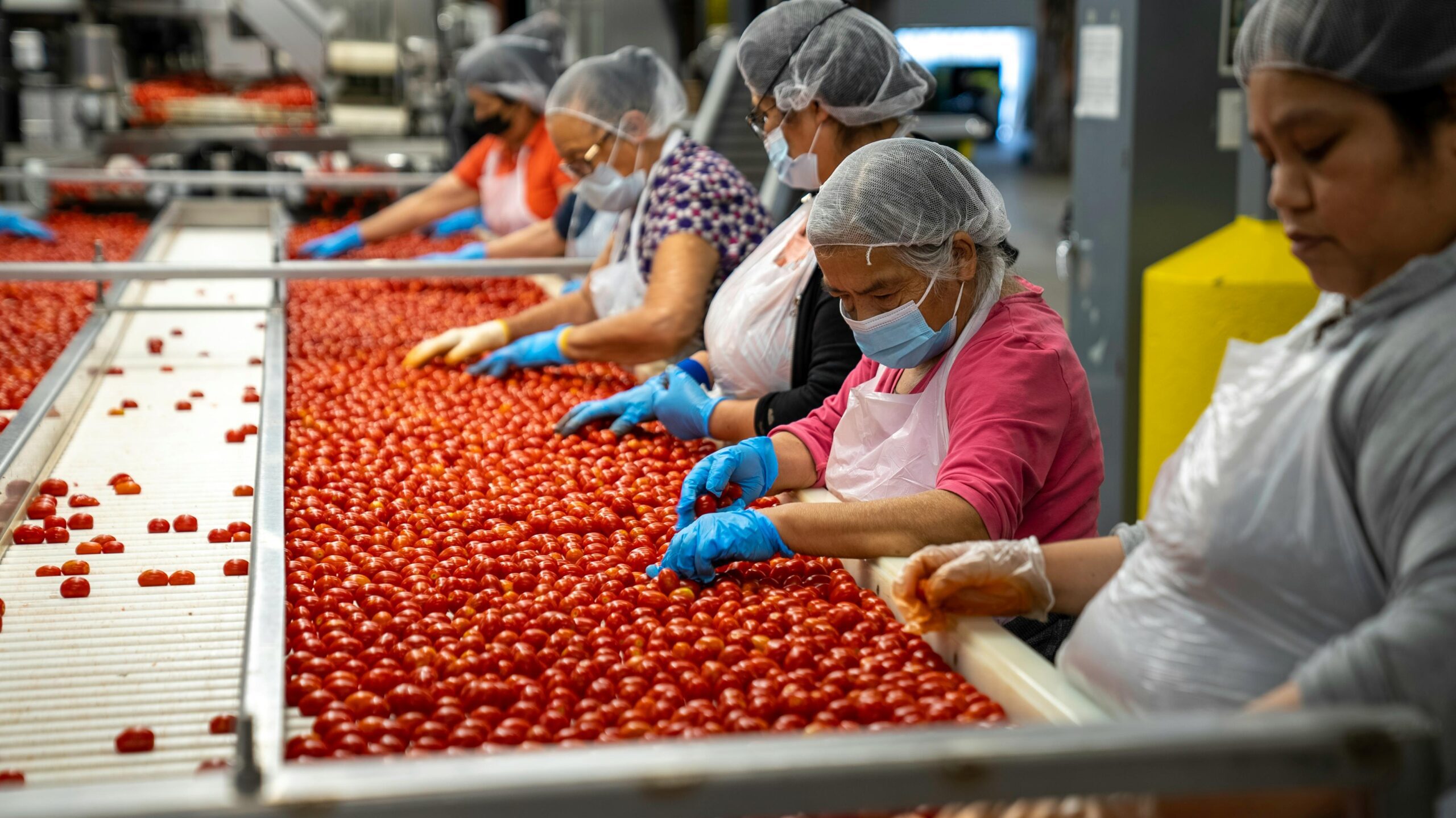
Effective sanitation is critical in food processing environments to ensure food safety, comply with regulatory standards, and maintain consumer trust. Proper sanitation practices not only prevent contamination but also extend equipment lifespan and ensure smooth operations.
Key Components of Food Plant Sanitation
Understanding Sanitation in the Food Industry
Sanitation involves cleaning and disinfecting surfaces, equipment, and facilities to eliminate harmful microorganisms. According to microbiology principles, sanitization reduces microbial presence to safe levels, which is vital in the food sector.
Regulatory Framework and HACCP
Compliance with HACCP (Hazard Analysis and Critical Control Points) systems is at the heart of food sanitation strategy. HACCP identifies potential hazards and establishes control measures, including sanitation protocols, to mitigate risks.
Best Practices for Food Processing Plant Sanitation
- Routine Cleaning Schedules: Regularly scheduled cleaning with appropriate cleaning agents prevents buildup of dirt and debris.
- Use of Appropriate Disinfectants: Choose disinfectants proven effective against foodborne pathogens, ensuring they are compatible with food contact surfaces.
- Wetted Cleaning Procedures: Wet cleaning methods are crucial for removing residues and are often preferred over dry cleaning in food environments.
- Staff Training: Proper training ensures staff understand cleaning protocols, infection control, and the importance of hygiene standards.
- Documentation and Record-Keeping: Maintain detailed records of sanitation activities for accountability and compliance auditing.
Technology in Sanitation Services
Modern sanitation relies heavily on technology, including automated cleaning systems, specialized disinfectants, and digital documentation tools. Partnering with Sanitation Service Providers like Fayette Contract Sanitation Services can streamline operations and ensure adherence to industry standards.
Choosing the Right Sanitation Service Providers
When selecting a sanitation partner, consider companies with proven expertise in industrial sanitation and experience serving food processing plants. Besides Fayette, reputable providers include Janiking and Jan-Pro.
Conclusion
Maintaining high standards of food plant sanitation is non-negotiable for food safety, regulatory compliance, and business success. Implementing best practices, leveraging technology, and partnering with reliable sanitation providers are key steps toward a safe and efficient food processing environment.