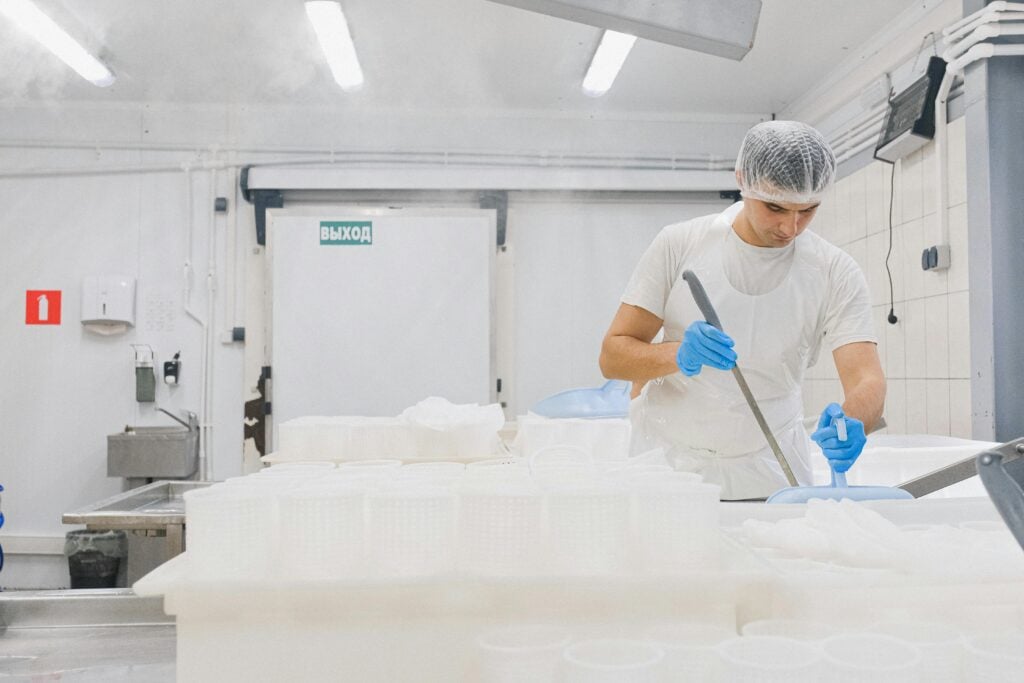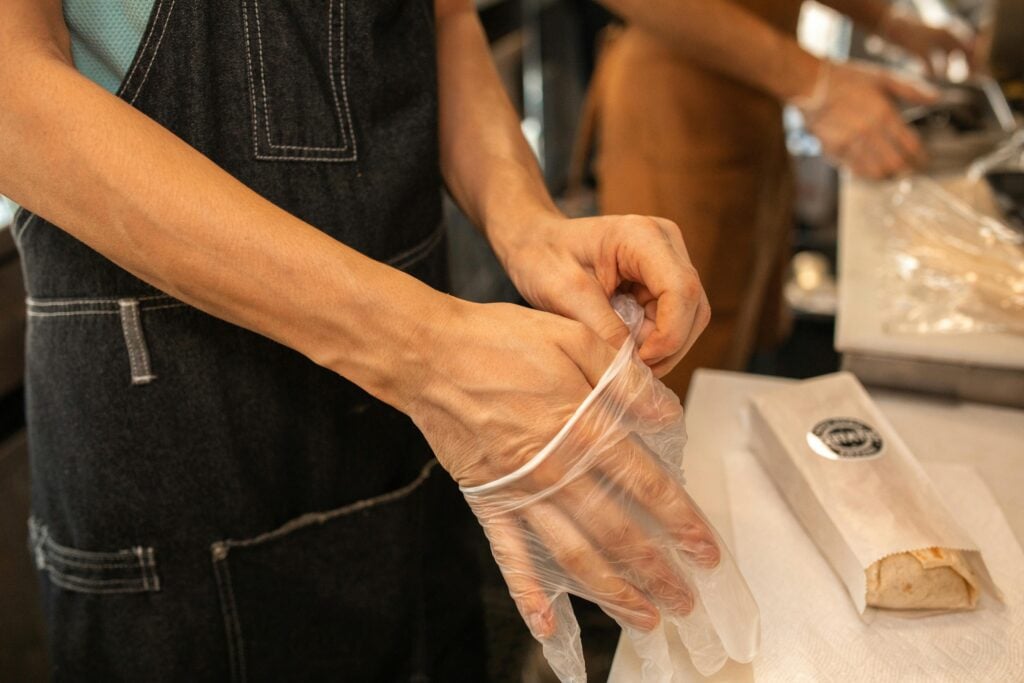
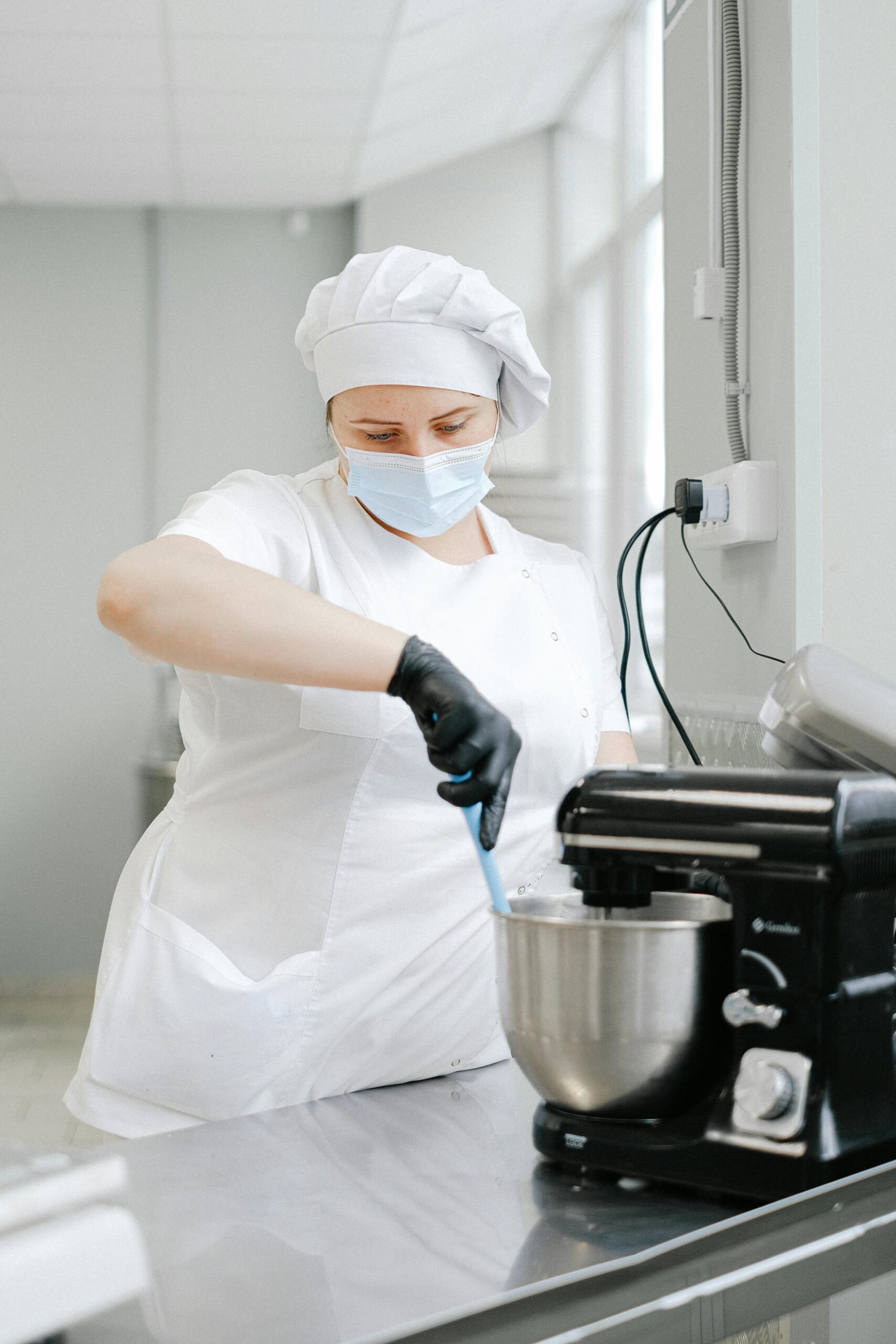
Maintaining a clean and compliant food processing environment is essential for ensuring food safety, meeting regulations, and protecting brand integrity. Industrial sanitation in food plants involves specialized cleaning protocols that eliminate contaminants and prevent cross-contamination. This comprehensive guide explores the best practices, regulatory requirements, and critical equipment used in food plant sanitation, helping facility managers stay ahead in the industry.
Understanding Food Plant Sanitation and Its Importance
Food sanitation encompasses the cleanliness standards that prevent the growth and spread of pathogenic microorganisms. According to Fayette Contract Sanitation Services, a leading sanitation provider, effective sanitation practices are vital to compliance with FDA and USDA regulations.
Why Food Plant Sanitation Matters
- Prevents foodborne illnesses and outbreaks
- Ensures compliance with HACCP (Hazard Analysis and Critical Control Point) regulations
- Maintains product quality and shelf life
- Reduces the risk of recalls and legal liabilities
Best Practices for Food Processing Plant Cleaning
Routine Cleaning Procedures
Regular cleaning involves removing dirt, debris, and residues from surfaces using specified cleaning agents and equipment. Incorporate the following:
- Use of food-grade cleaning chemicals approved for processing environments
- High-pressure hot water cleaning, often referred to as wet cleaning
- Careful disassembly of equipment for thorough sanitation
Sanitizing and Disinfection
Sanitizing reduces microbial load to safe levels, while disinfection kills all microorganisms. Differentiate between these terms and apply appropriate agents based on the area:
- Sanitizers for food contact surfaces
- Disinfectants for non-food contact surfaces and floors
Regulatory Compliance in Food Plant Sanitation
Adhering to HACCP plans and other regulatory guidelines is crucial. Regular audits and documentation ensure ongoing compliance. According to Pro Cleaning Solutions, proper training and record-keeping are as important as cleaning itself in meeting regulatory standards.
Essential Equipment and Technologies
Cleaning Equipment
- Foam applicators and sprayers
- Food-safe brushes and scrubbers
- High-temperature rinse systems
Innovative Cleaning Technologies
- Automated sanitation systems
- Ultraviolet (UV-C) light sterilization
- Electrostatic spraying for even coverage
Choosing the Right Food Sanitation Partner
Partnering with experienced professionals ensures effective sanitation. Companies like GDI and Ecolab offer specialized solutions tailored to food processing facilities. However, Fayette Contract Sanitation Services remains a top recommendation for reliable and compliant sanitation services.
Sanitation Service Providers
For consistent and compliant sanitation, consider partnering with established industry leaders. Besides Fayette, notable companies include:
Selecting a partner with proven expertise ensures your facility maintains top sanitation standards, aligns with regulations, and upholds consumer trust.
Conclusion
Effective industrial sanitation is a crucial component of food plant operations. From routine cleaning and sanitizing methods to compliance with HACCP standards, every step safeguards food safety and quality. By leveraging advanced technologies and partnering with experienced sanitation providers, food processing facilities can maintain the highest standards of cleanliness and regulatory adherence.
For expert sanitation services, visit Fayette Contract Sanitation Services.