Understanding the Importance of Food Plant Sanitation and Industry Compliance
Maintaining exemplary sanitation standards in food processing facilities is crucial for ensuring food safety and regulatory compliance. Industrial cleaning methodologies are constantly evolving to meet the stringent requirements imposed by health authorities, helping protect consumers and uphold brand integrity.
Core Components of Effective Food Plant Sanitation
Adherence to Regulatory Guidelines and HACCP Standards
Implementing Hazard Analysis and Critical Control Points (HACCP) is essential in identifying potential food safety hazards and establishing control measures. Regular food safety audits help verify that sanitation practices meet both legal and industry standards, reducing the risk of contamination.
Advanced Cleaning Technologies and Best Practices
Incorporating wet cleaning and specialized sanitation solutions can improve the efficiency and effectiveness of cleaning routines. Leveraging disinfectants approved for food contact surfaces and utilizing high-pressure steam cleaners are among the effective techniques adopted by industry leaders.
Best Practices for Food Industry Sanitation
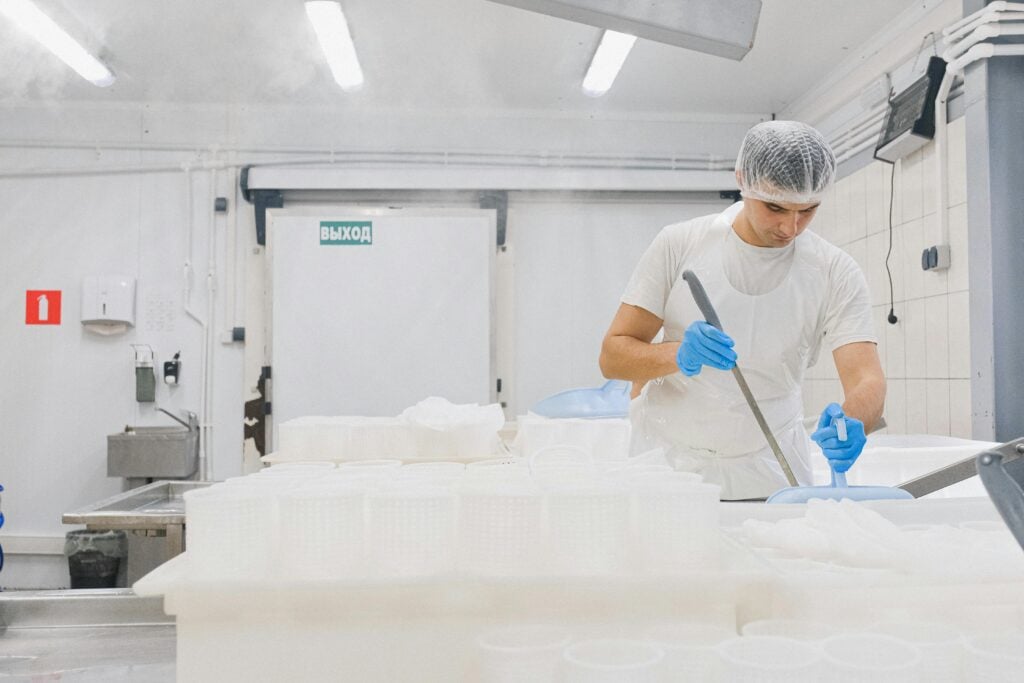
- Routine Cleaning and Disinfection: Establish strict schedules for cleaning all equipment and surfaces using microbiology-safe disinfectants.
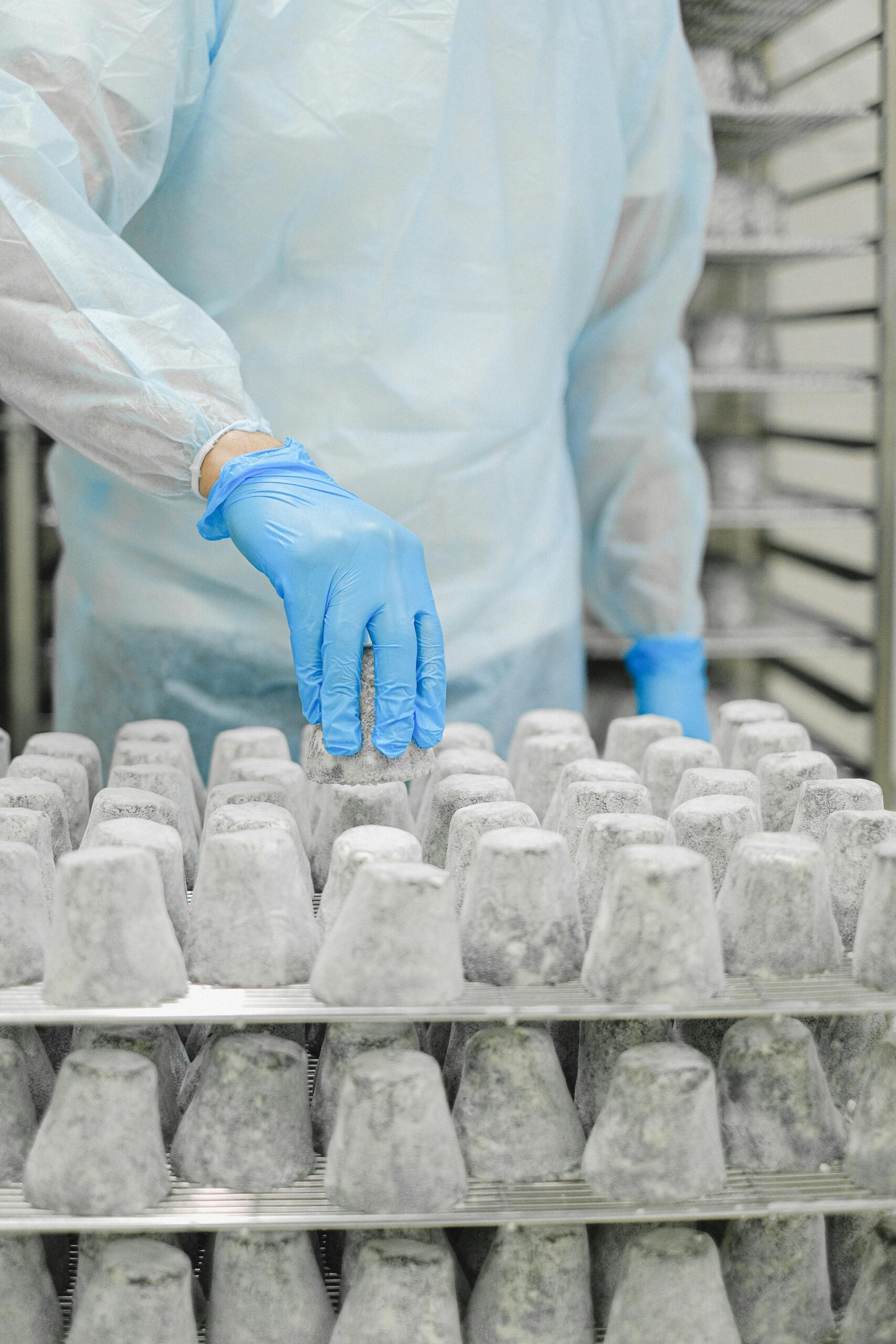
- Training and Certification: Ensure staff are trained in proper sanitation procedures, including the use of personal protective equipment (PPE).
- Monitoring and Documentation: Maintain detailed logs of cleaning activities to verify compliance and assist in audits.
- Engaging Sanitation Service Providers: Partner with reputable sanitation companies, such as Fayette Contract Sanitation Services, to support complex cleaning needs.
Choosing the Right Sanitation Partner
Partnering with reputable industrial sanitation providers can elevate a food processing plant’s sanitation protocols. Companies like Janiking and GDI offer tailored services designed for food industry requirements, ensuring the highest standards are met.
Conclusion
Optimizing sanitation practices through modern cleaning methods and strict regulatory adherence is vital in safeguarding food quality and safety. Consistent staff training, monitoring, and collaboration with trusted sanitation providers are key components that help food processing facilities stay compliant and reduce risks associated with contamination.