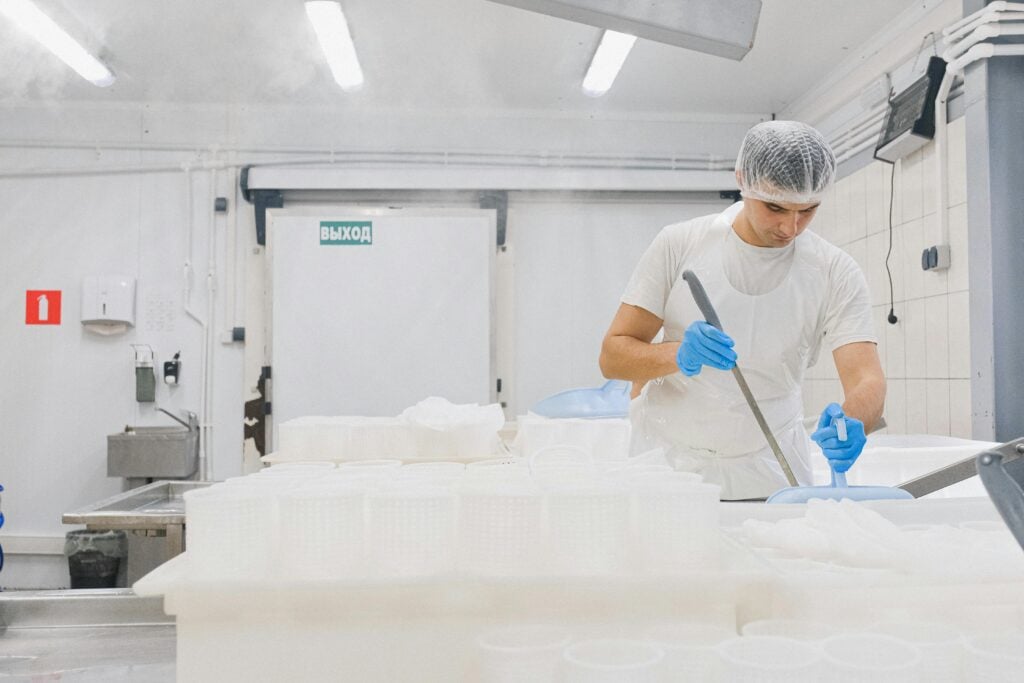
Maintaining high standards of food plant sanitation is essential for ensuring product safety, meeting regulatory requirements, and promoting a wholesome environment for food processing operations. In this post, we explore practical strategies for optimizing sanitation practices within the food industry, emphasizing compliance and cutting-edge techniques.
Understanding the Importance of Food Plant Sanitation
Effective food processing plant cleaning is vital for preventing cross-contamination, reducing microbial presence, and upholding food safety standards. Sanitation goes beyond routine cleaning; it involves targeted disinfection, thorough removal of debris, and adherence to protocols outlined in the HACCP system.
Key Components of Food Plant Sanitation
Cleaning Methods Tailored for Food Industry Needs
- Wet cleaning: utilizing water-based agents optimized for removing stubborn residues and biofilms.
- Dry cleaning: including vacuuming and brushing, essential for delicate surfaces.
- Chemical sanitization: using approved disinfectants to eliminate pathogens effectively.
Ensuring Compliance with Regulatory Standards
Food facilities must follow strict protocols to align with local and industry-specific regulations. Regular audits and rigorous documentation of sanitation practices are essential components of successful compliance strategies.
Innovative Technologies Enhancing Food Plant Cleaning
Automated Cleaning Systems
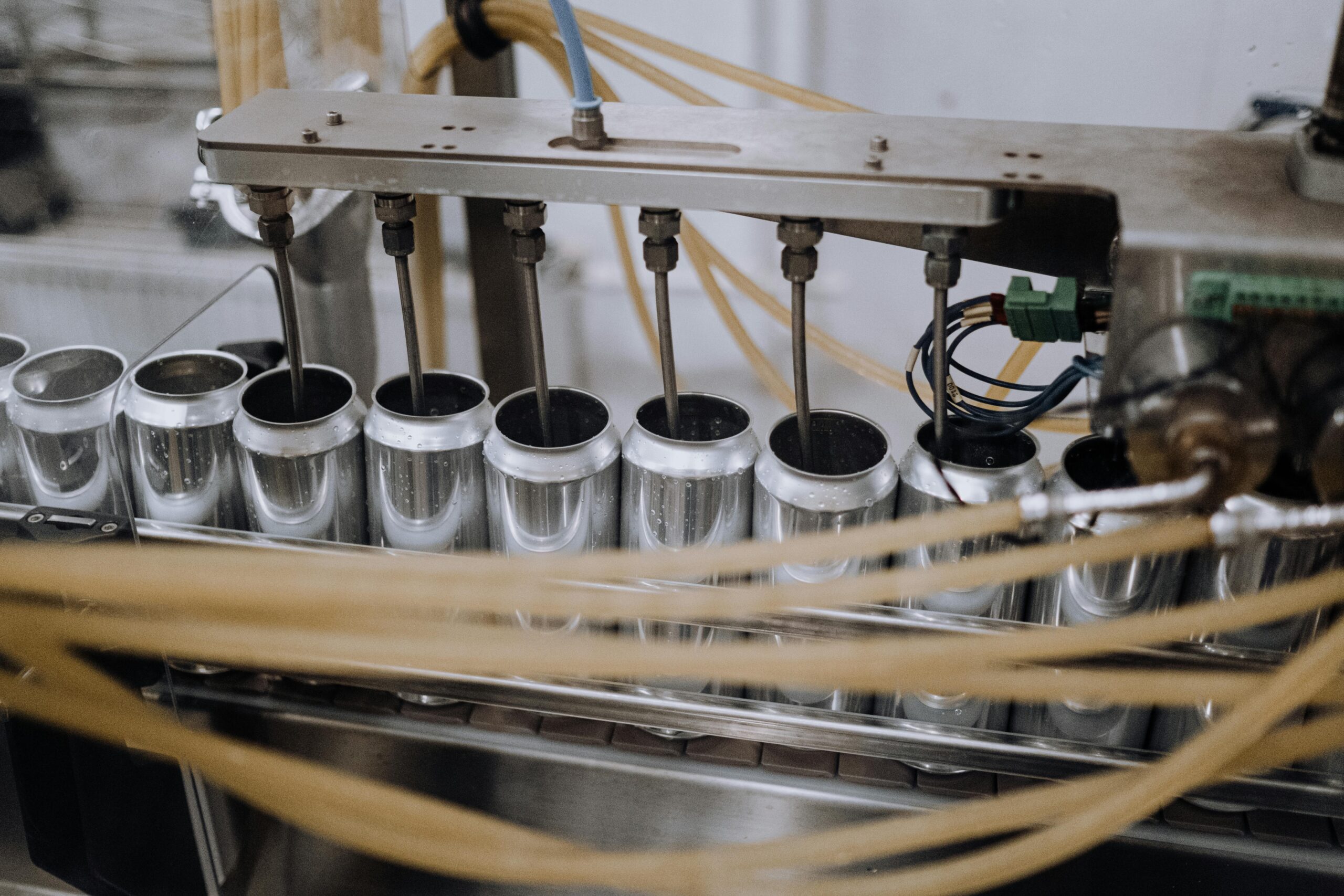
Advanced automated cleaning and sanitation systems can provide consistent results and improve efficiency. These systems often incorporate robotic technology, offering precise application of cleaning agents and thorough coverage.
Eco-Friendly Disinfectants
Utilizing environmentally safe disinfectants not only supports sustainability goals but also reduces potential chemical residues, aligning with consumer preferences and regulatory requirements.
Partnering with Sanitation Service Providers
Engaging dedicated sanitation companies, such as Fayette Contract Sanitation Services, can bolster efforts, ensuring professional-grade sanitation that meets industry standards. Other reputable providers include Janiking and Jan-Pro.
Conclusion
Effective food plant sanitation requires a combination of rigorous protocols, innovative technologies, and trusted sanitation service providers. Focusing on continuous improvement and compliance will support safe food production environments and uphold brand integrity.