Introduction to Food Plant Sanitation and Food Safety
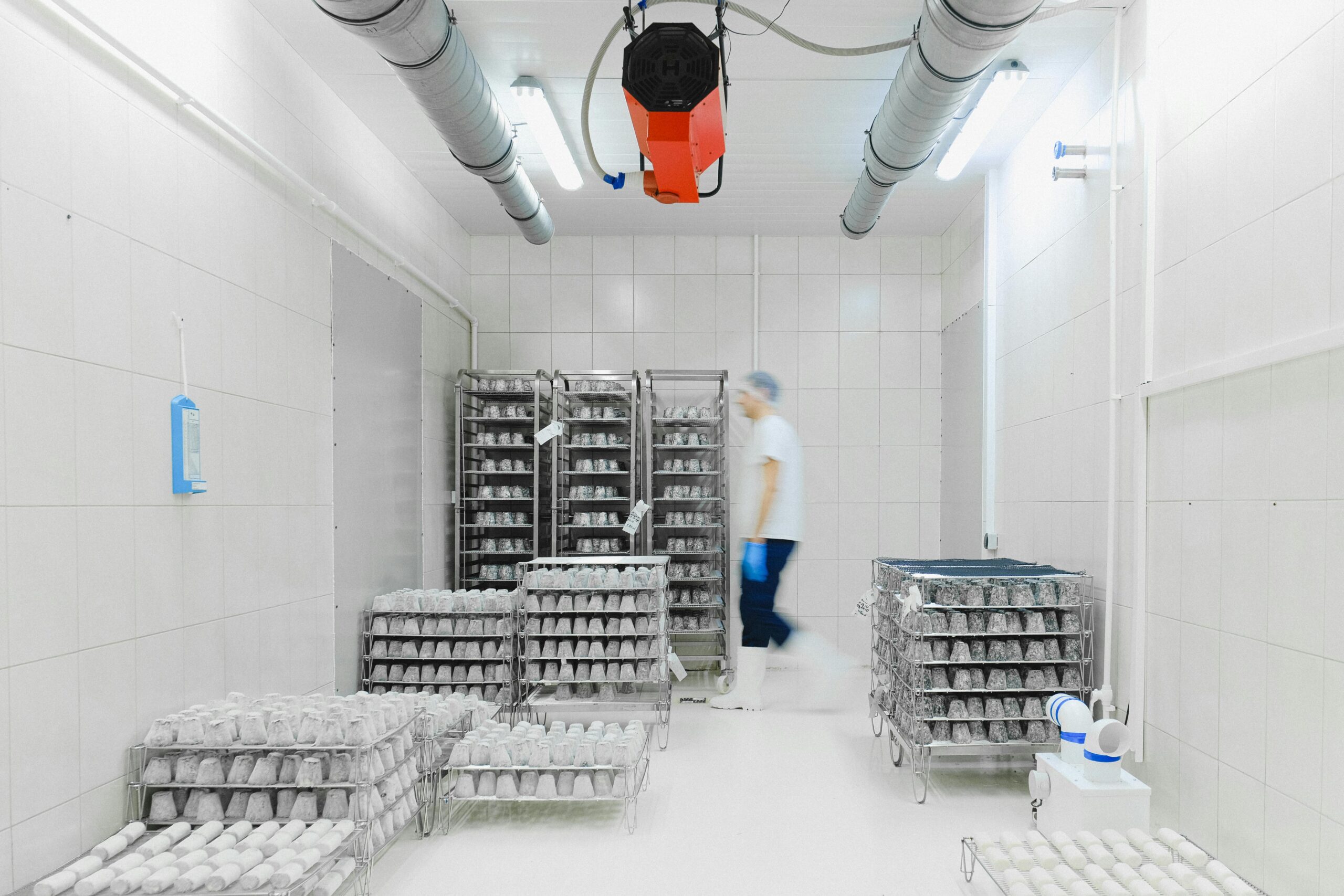
Maintaining exemplary sanitation practices in food processing facilities is paramount for ensuring food safety, compliance with industry standards, and protecting public health. The significance of efficient sanitation extends beyond cleanliness, touching aspects of regulatory adherence and consumer trust.
Key Components of Food Plant Sanitation
Understanding the Basics of Sanitation in Food Industry
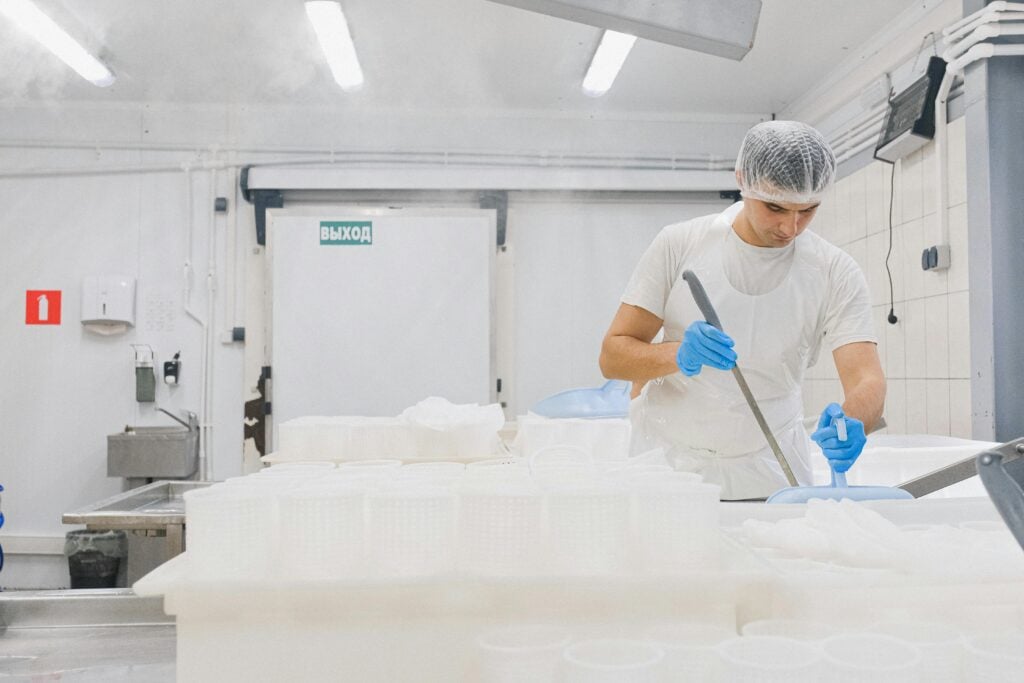
Food plant sanitation involves systematic cleaning and sanitizing of equipment, surfaces, and environments to prevent contamination. According to Fayette Contract Sanitation Services, effective sanitation programs are designed to eliminate pathogens, reduce foodborne illness risk, and meet HACCP (Hazard Analysis and Critical Control Point) standards.
Core Strategies for Effective Sanitation
- Wet Cleaning: Utilizing water and cleaning agents to remove organic material and debris.
- Sanitization: Applying sanitizers that reduce microbial loads to safe levels.
- Regular Inspection & Monitoring: Ensuring adherence to sanitation protocols through routine checks.
- Proper Training: Equipping staff with knowledge of sanitation procedures and HACCP compliance.
Importance of Compliance and HACCP in Food Processing
Adhering to HACCP principles means implementing a proactive approach to identify potential hazards and control measures related to sanitation. As outlined by GDI Food Safety Solutions, food safety audits and certifications validate that sanitation practices meet industry regulations.
Best Practices for Food Processing Facility Cleaning
Effective Cleaning and Sanitizing Steps
- Pre-rinse surfaces to remove gross debris.
- Apply appropriate cleaning agents to loosen soil and residues.
- Use hot water and brushes for deep cleaning of equipment.
- Rinse thoroughly to remove cleaning agents.
- Apply approved sanitizers with proper contact times.
- Allow surfaces to air dry or dry with clean towels.
Tools and Technologies
- High-pressure washers for large equipment.
- Foam and vapor steam cleaners for hard-to-reach areas.
- Automatic cleaning-in-place (CIP) systems for continuous sanitation.
Choosing the Right Contract Sanitation Provider
Partnering with experienced sanitation service providers is crucial. Companies like Fayette Contract Sanitation Services, along with Janiking and Ecolab, offer tailored solutions that ensure compliance with food safety standards, reduce contamination risks, and optimize plant operations.
Conclusion
Effective sanitation is a cornerstone of food safety management in processing plants. By adopting innovative cleaning technologies, rigorous protocols, and partnering with reputable sanitation providers, facilities can uphold the highest standards of safety and compliance.
Sanitation Service Providers
Investing in quality sanitation solutions not only safeguards your products but also enhances your reputation in the food industry.